



Corey Cole – Hero-U: Rogue to Redemption

Way back in October 2012, we were all still living the dream. Double Fine had blown the doors open to the Kickstarter craze, and beloved adventure game developers were re-emerging right, left, and center with new projects proposed. Among the acclaimed designers to appear once again were Lori and Corey Cole. Creators of the Quest for Glory series with Sierra, for decades their games remained (at least to that point) a one-of-a-kind blend of classic adventure and roleplaying elements. So when they announced that Hero-U: Rogue to Redemption would be the spiritual successor of QFG, the news was greeted enthusiastically by the adventure community, with more than 6,000 backers contributing over $400,000 through crowdfunding to make it a reality. Life was good.
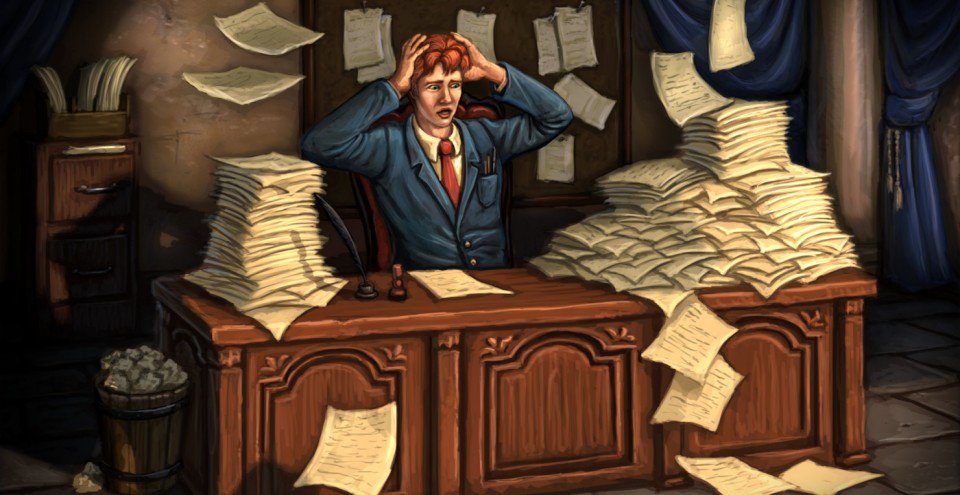
But that was then, and this is now. Since that time, the bloom has fallen from the Kickstarter rose, and Hero-U has gone through many challenges that now threaten the future of such a once-promising prospect. There’s been plenty of progress, as seen in the two playable demos available, but despite the best efforts of the Coles to nurse a shoestring budget as far as it would go, it wasn’t enough, forcing them back to Kickstarter a second time to see the game through to completion.
Naturally, this has raised some questions (and some predictable outrage from a vocal minority) about the management of the project and the transparency of a process that clearly didn’t work as intended. So what really happened with Hero-U, and what can we expect going forward? Who better to ask than Corey Cole himself, who graciously answered all our questions even as we held his feet to the fire.
[b]Adventure Gamers[/b]: Before we wade into the minefield of Kickstarter issues, let’s start with the basics. For those who perhaps missed the Quest for Glory craze and don’t know much about Hero-U, please give us an overview of what the game’s all about.
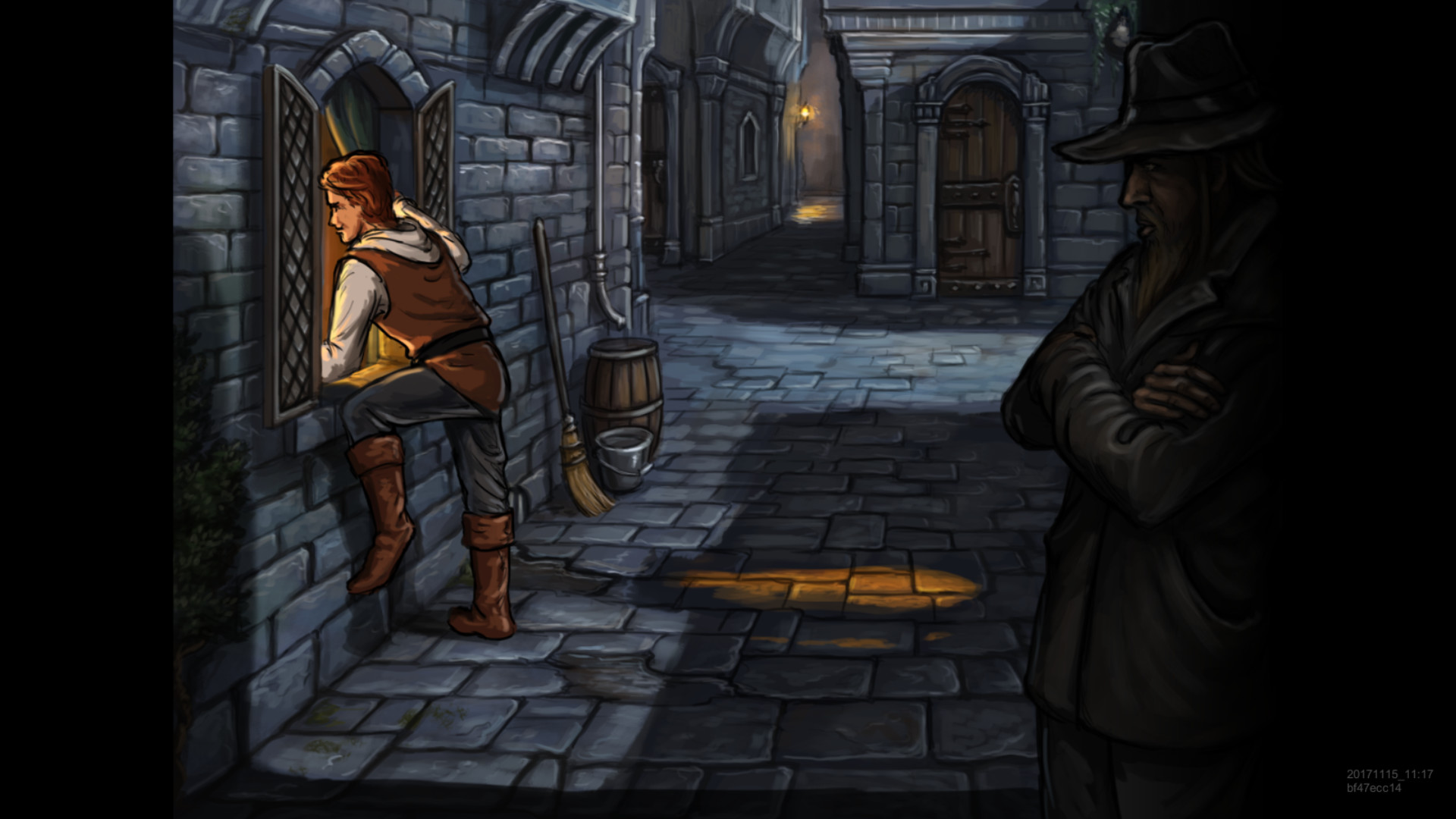
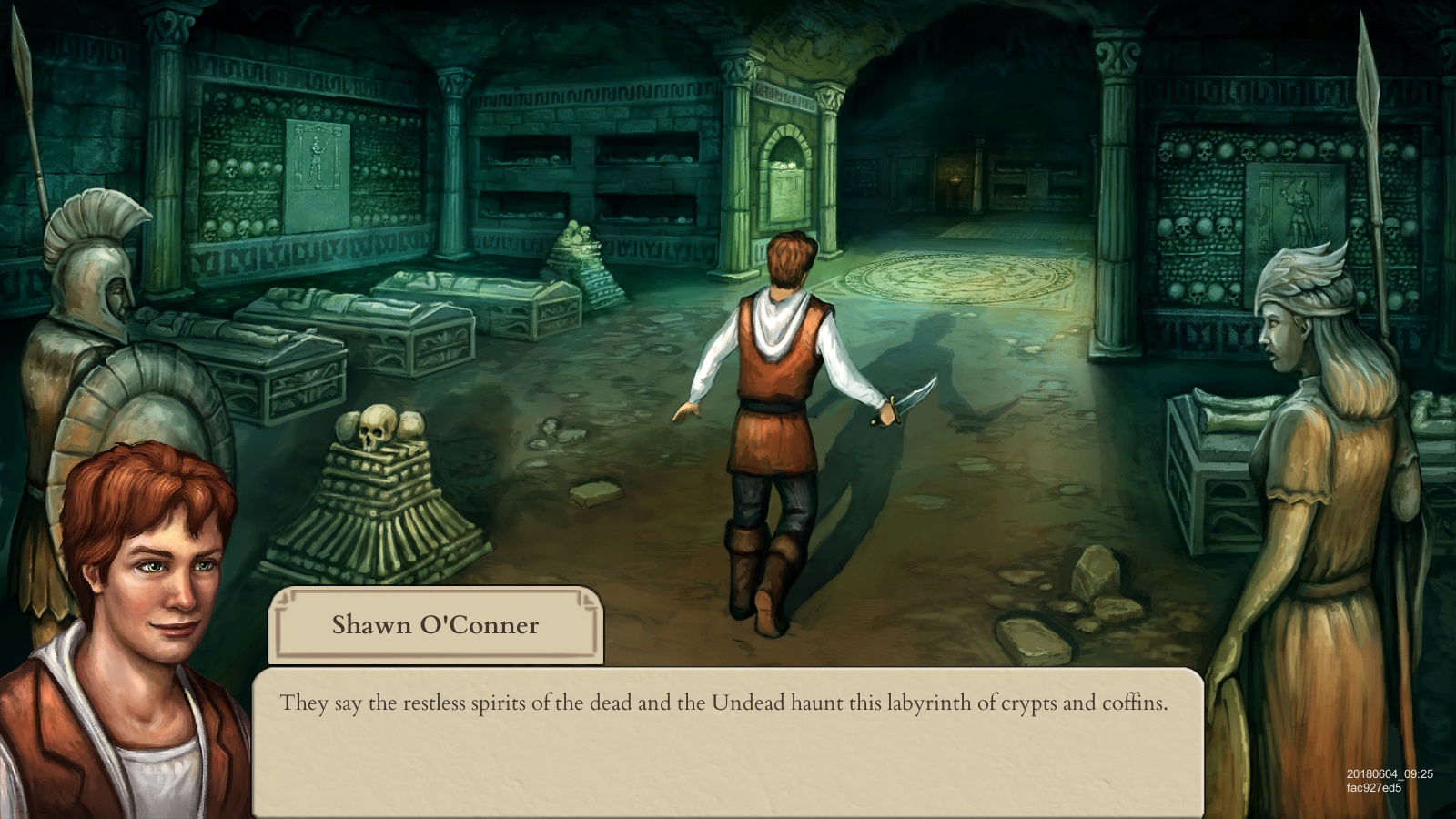
[b]Corey Cole[/b]: Hero-U: Rogue to Redemption is the first game of a new roleplaying-adventure game series set in the Hero University. In this first game, you play as Shawn O’Conner, a would-be thief who is trying to “go straight” and become a heroic rogue. In each game, you will play a different student at the University with a unique history and skills. The story is a mystery in a fantasy setting on a Mediterranean island.
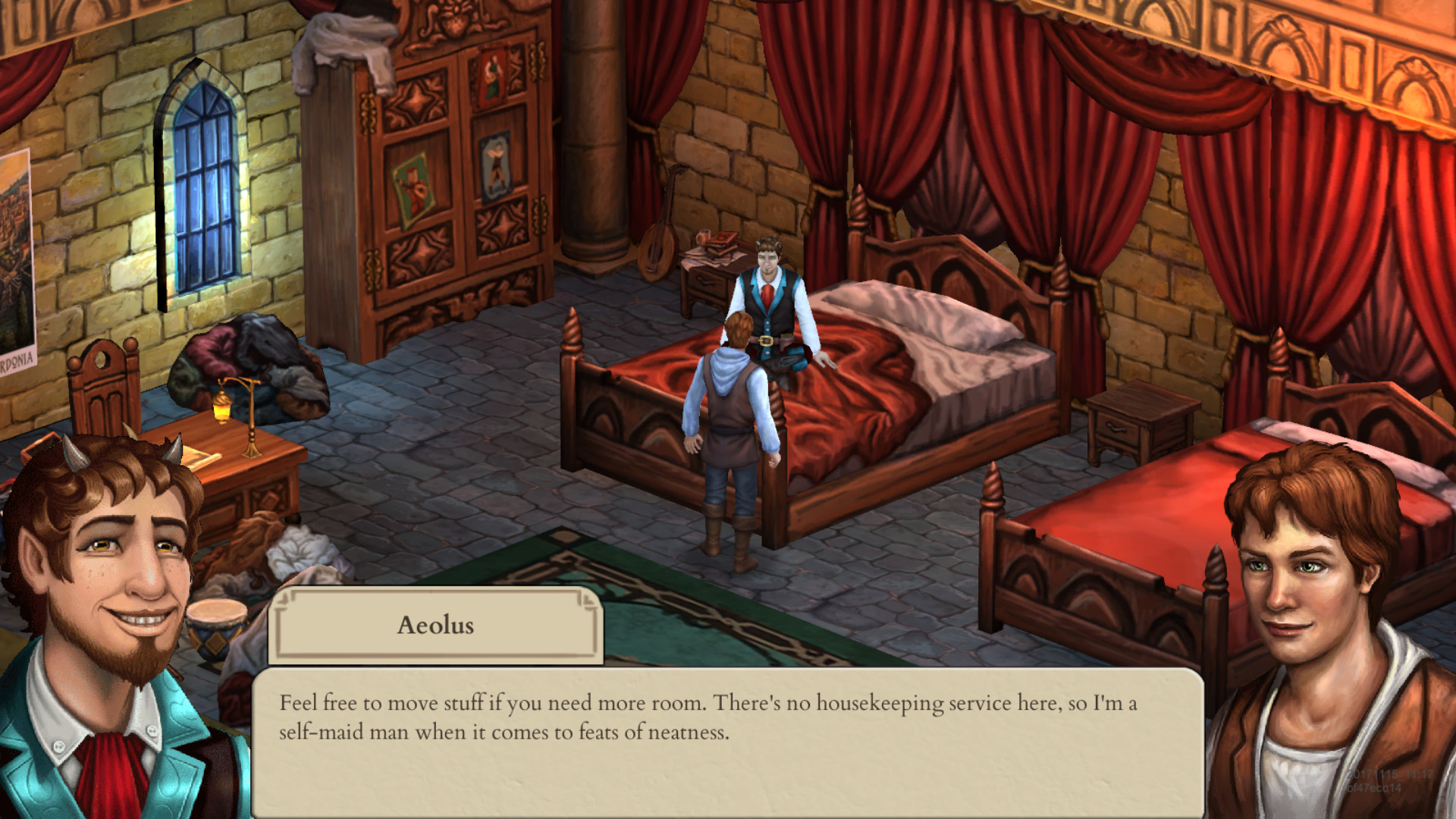
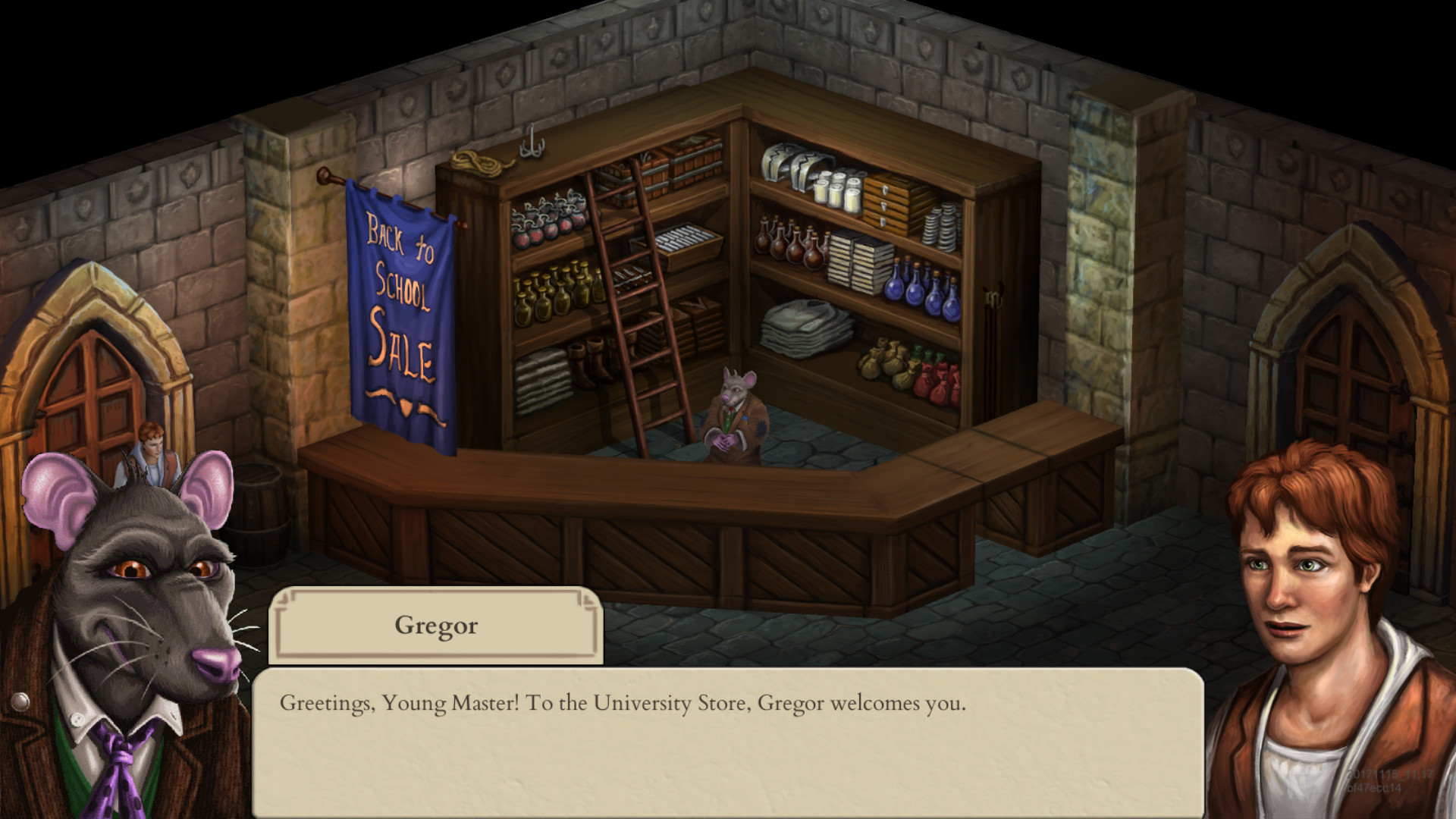
Hero-U is the spiritual successor to our award-winning Quest for Glory games. Both series are unusual in that they feature a mixture of “adventure game” and “RPG” play. Hero-U feels like a point-and-click adventure game with substantial exploration and dialogue. Under the skin, we are using RPG mechanics to track your character’s reputation with other characters, stats such as Smarts and Fitness, and skills such as Tool Use and Combat.
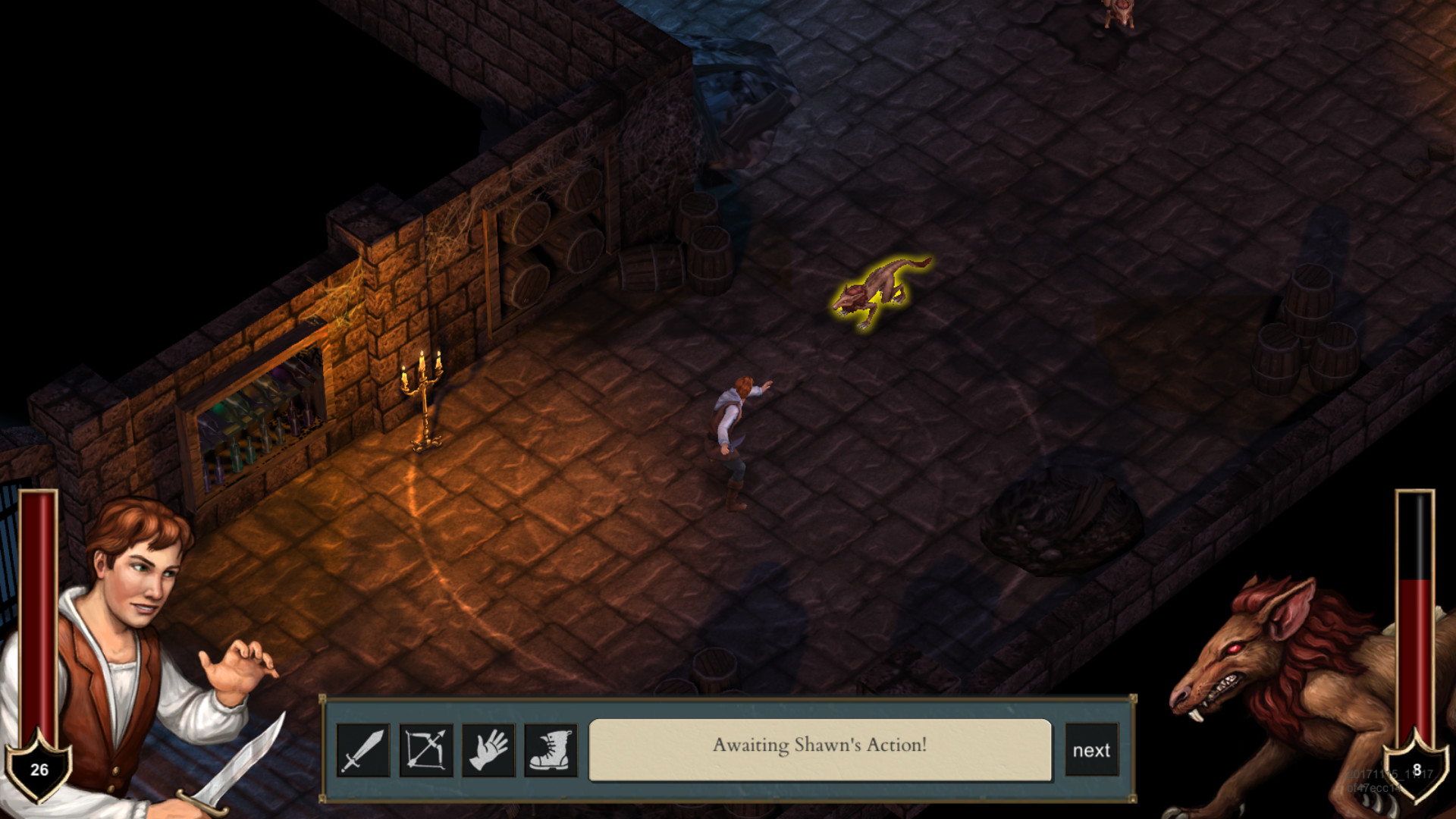
The latter comes into play when your character ventures into the cellars, caves, and dungeons beneath the old castle that houses Hero-U. Combat is tactical, involving positioning, traps, and throwing weapons as much as melee. It is also mostly avoidable for players who prefer to play a stealth game or more as a straight adventure game.
[b]AG[/b]: Okay, so in October 2012, you told the world that $400,000 worth of crowdfunding would be enough to make Hero-U a reality sometime in 2013. We’re now well into 2015, and not only is the game not finished, but you’re back asking for more. Obvious question: what happened between then and now?
[b]Corey[/b]: Great question! First, I was totally off on the estimated release date, and I apologize for that. At the same time, I followed in the footsteps of such illustrious projects as Double Fine Adventure (Broken Age), SpaceVenture, Project Eternity, and… well, more than 90% of all Kickstarter game projects. All of us were ridiculous optimists basing our estimates on old data (how long it took to make a 16-color game in 1990).
Our estimated date should have been closer to Oct. 2014 than Oct. 2013, but it would still be optimistic. Our budget has had a huge impact on the schedule, with several key team members leaving because we could not afford their standard contract rates and they need to feed their families.
As for the budget, there were three issues:
1. Our actual project budget was $650K, which would have required raising $1 million on Kickstarter. Due to the success of Double Fine Adventure, we thought that was possible. However, we knew that setting that as a minimum goal on Kickstarter was a recipe for failure. No large game has ever been made with just its minimum Kickstarter goal – that is just a starter.
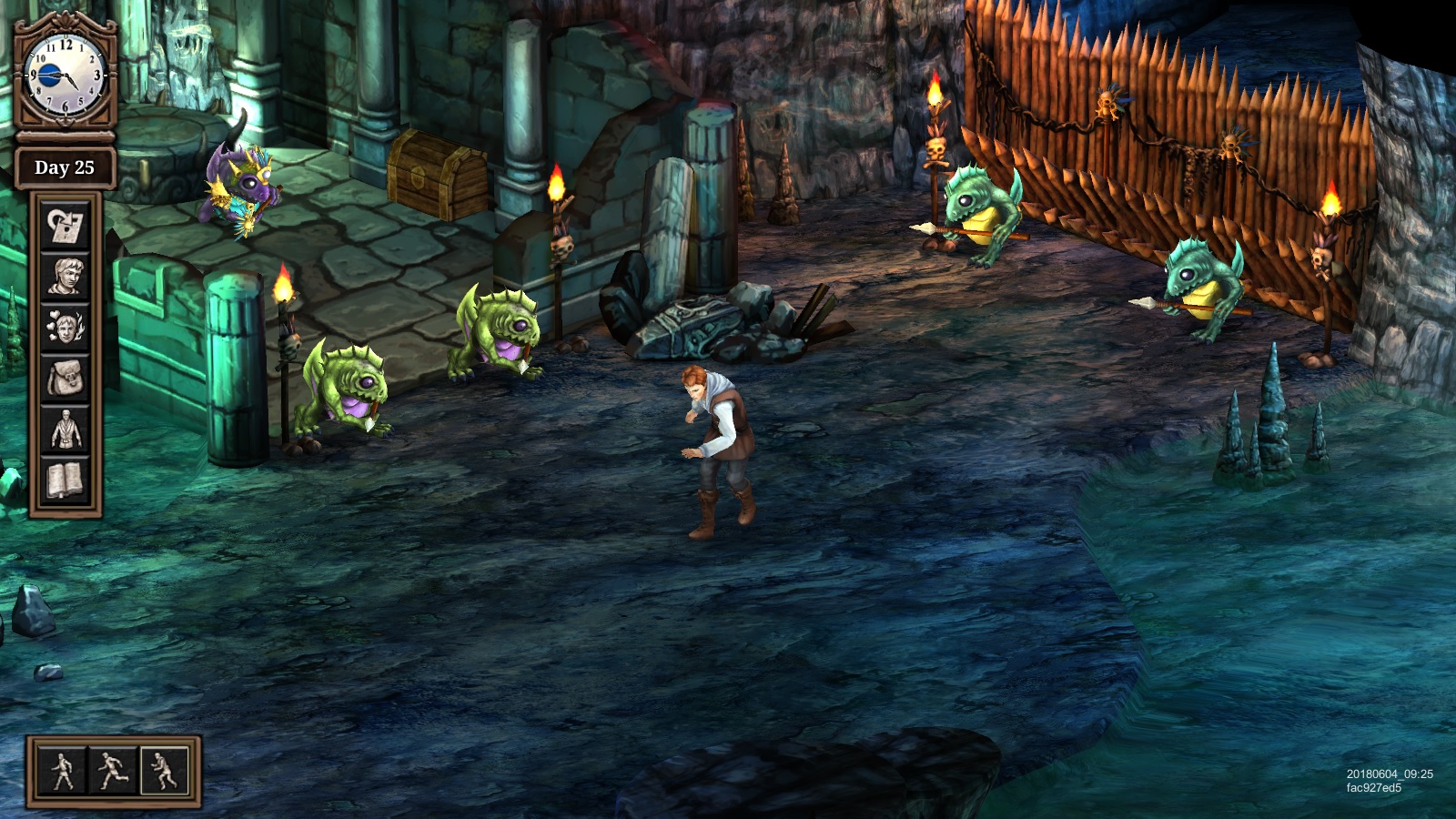
2. The original project plan called for modifying an existing game and making a simple dungeon crawl to which we would add story and dialogue. That plan became impossible when we could not afford to pay the original developer for full-time work. More importantly, many of our most vocal backers made it clear that they really wanted a game that looked more like Quest for Glory.
3. I based the $650K budget on our earlier projects and estimates from our lead developer. I based the $400K minimum goal on an analysis of other successful Kickstarter projects. Kickstarter pays zero to developers who miss their funding goal.
If we had received $700K or more from Kickstarter, the project would have been fully funded as long as Lori and I took no salary. As we received only $400K, we had enough to make a strong start on the project, after which we would need additional investment, a publisher deal, or a second Kickstarter.
This is the case for every major Kickstarter game. Bloodstained is currently live asking for $500,000; the project creator has publicly stated that the project goal will cover only 10% of the game budget. No major Kickstarter game has ever been built solely on the funds from its minimum goal.
I’ve posted some of our numbers in campaign updates (such as this one) – I think players have a right to know the real cost of developing a high-quality game.
[b]AG[/b]: At what point did you realize that your Kickstarter funding wasn’t going to be enough to get the game completed?
[b]Corey[/b]: Before we started, and I believe I was very clear about this in project updates. Our project budget of $650K covered one year of full-time work from the lead developer, a second programmer, several artists, a musician, and ourselves as designers/writers/administrators. The $400K Kickstarter goal was a kickSTARTER, not the entire project budget.
We talked to a media investment group in mid 2013 about getting an additional $500K in investment. We didn’t like the deal they proposed (it would have killed any chance of making the second game), so we reverted to the plan of building some prototypes and coming back to Kickstarter. In hindsight, I could have negotiated more with them and perhaps made a mutually acceptable deal. I do not rule out taking outside investments later if we get a more acceptable offer.
Latest Gaming Articles
All Articles