



Corey Cole – Hero-U: Rogue to Redemption

[b]AG[/b]: You’re obviously experienced game developers, but perhaps not nearly as experienced as game producers (and certainly not in the modern era). What would you do differently if you could go back and start again with the benefit of hindsight?
[b]Corey[/b]: Realistically, I’d have written a tabletop Pathfinder game supplement and asked for a few thousand dollars on Kickstarter to fund it. That would be the equivalent of getting a publisher advance to write a book.
If we were brave enough to make a full computer game, we would have posted a different sort of Kickstarter – We would have asked for perhaps $100K or $150K with which to make a game prototype with which we could get full funding.
We would tell backers from the first that we were not making a full game. Pathfinder Online was very successful with this approach, first launching a campaign for a Tech Demo, then another one for the full service. Of course, that wasn’t the model anyone else used in 2012, and never occurred to us back then.
As for game production experience, we had it except in one respect that I now realize is critical: We had a publisher funding our last “indie” game. We did not have to empty our own pockets to make the game. Everything else, we did ourselves – hiring programmers and artists, negotiating a contract for the music, design, writing, administration. It was a year of 60-hour weeks, but it never came down to “find more funding now, or the lights go out.” I’ve heard the latter story from several friends who ran truly indie studios, and it is heartbreaking every time.
[b]AG[/b]: How has your interaction with the public changed since the start of your first Kickstarter? Like any relationship, it all seemed so fresh and hopeful and new in the beginning, but the honeymoon is clearly long over and seems to be taking its toll on both sides.
[b]Corey[/b]: The vast majority of our backers are very understanding. They know that we are doing everything we can – and making huge personal sacrifices – to make them a game worthy of the Quest for Glory legacy, but with 21st Century production standards. They know that takes a lot of time, and that time costs money.
As for critics, we’ve had some vocal ones both in 2012 and in 2015. We’ve done our best to treat everyone with respect and answer their concerns. As a result, some former critics have become our staunchest supporters.
[b]AG[/b]: With all the development changes the game has undergone, the current version of Hero-U seems quite different than the initial concept. Can you clarify what aspects have been modified from the original plan and which remain?
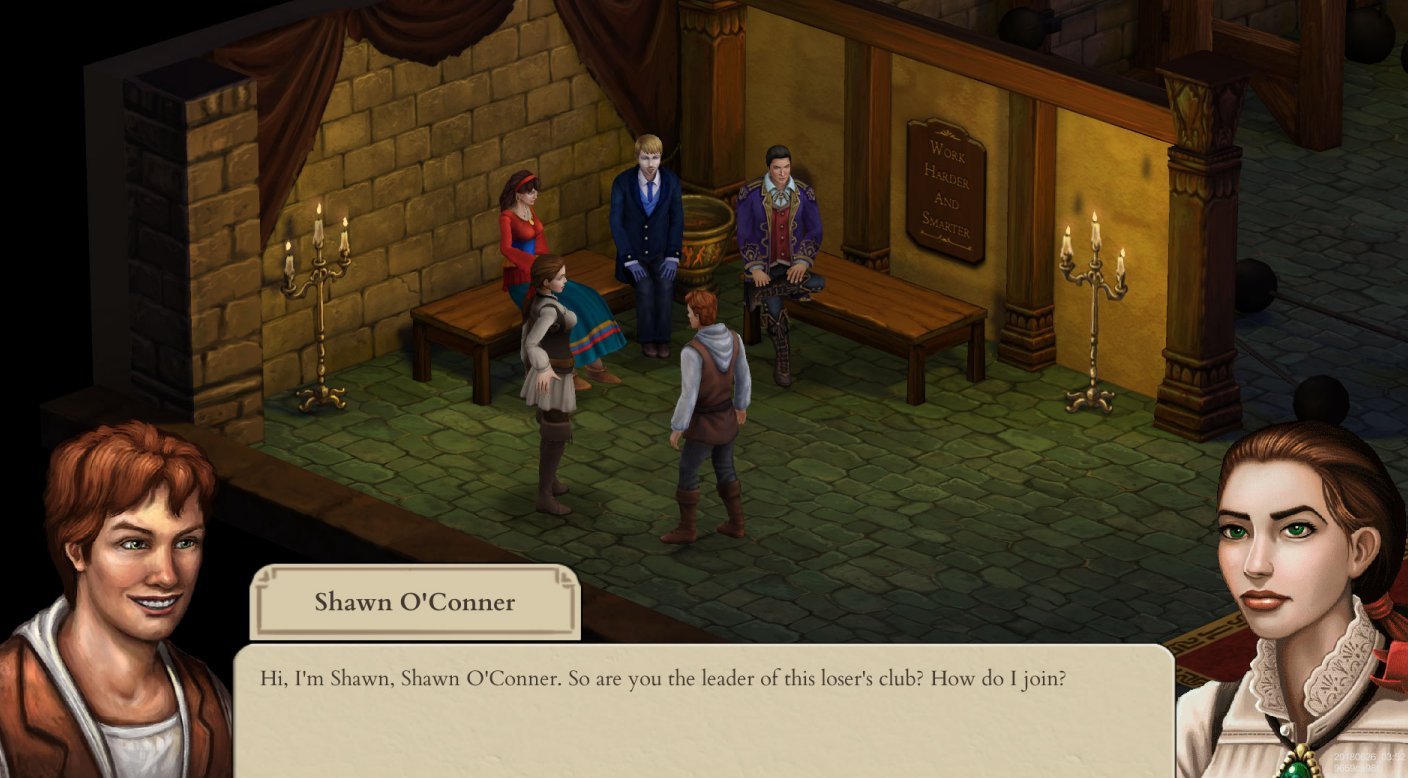
[b]Corey[/b]: The major changes are in graphics. The original plan was a top-down dungeon crawl with some text and dialogue to develop the story. Backers told us they wanted more. Our art director told us he wanted more. We wanted more. We think the current look is vastly better than our early prototypes.
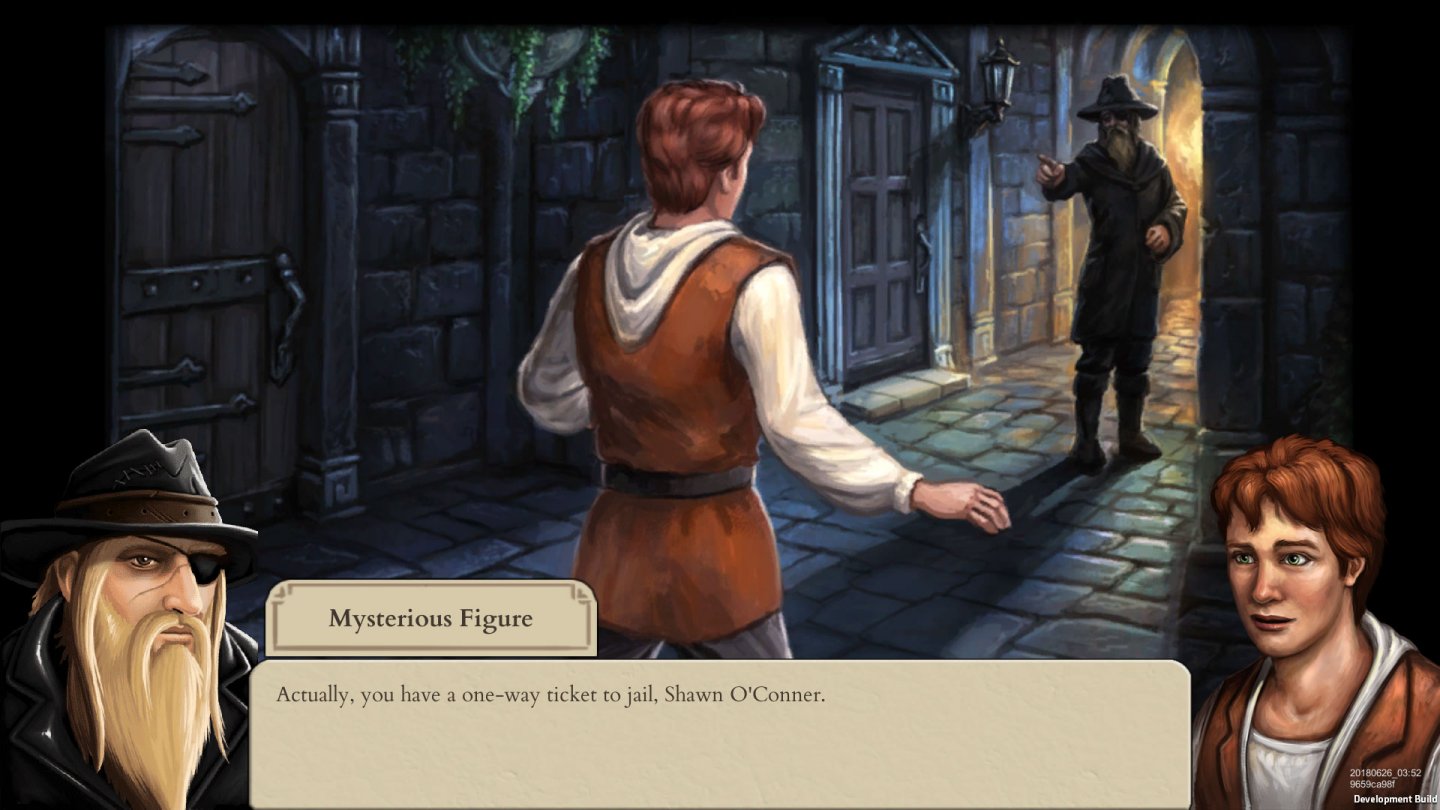
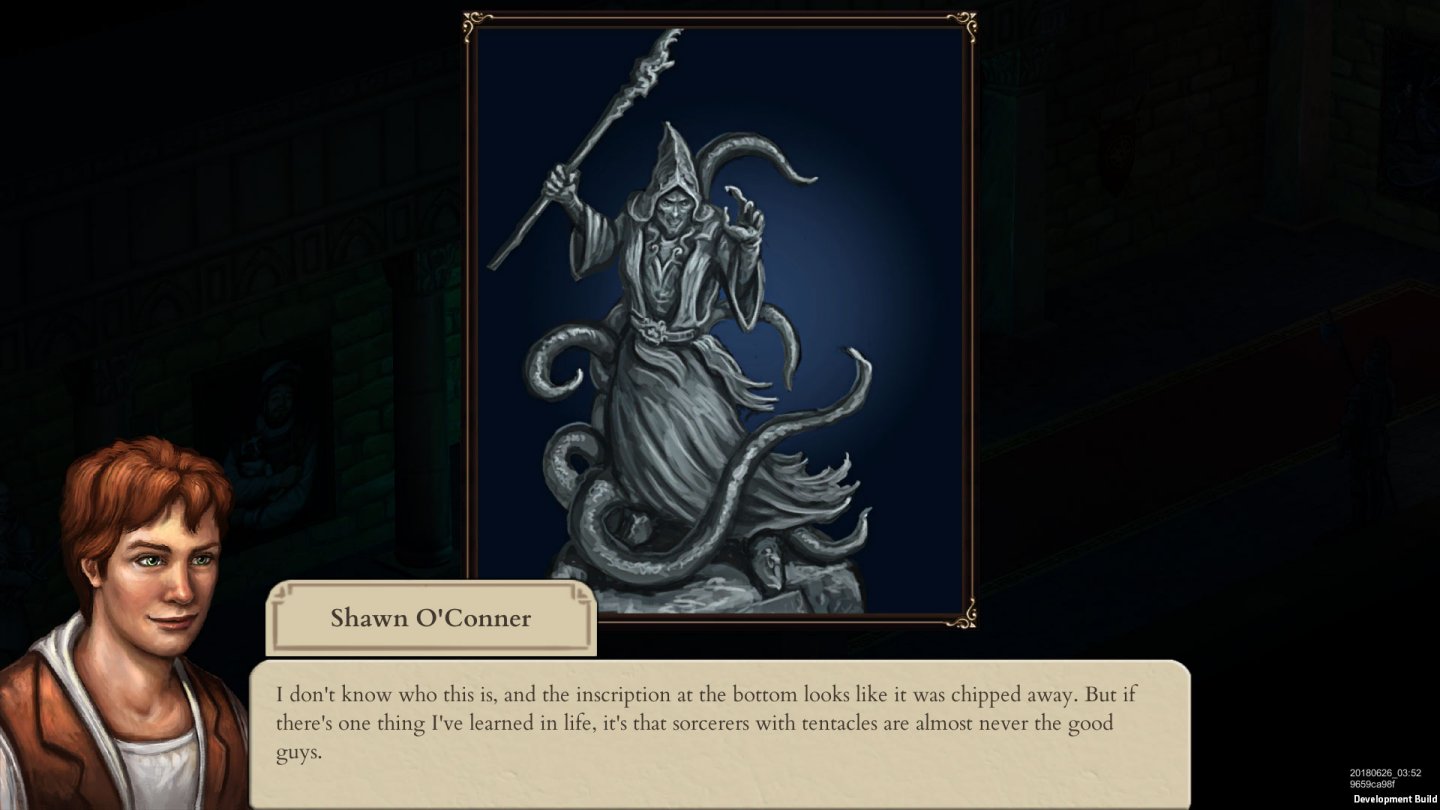
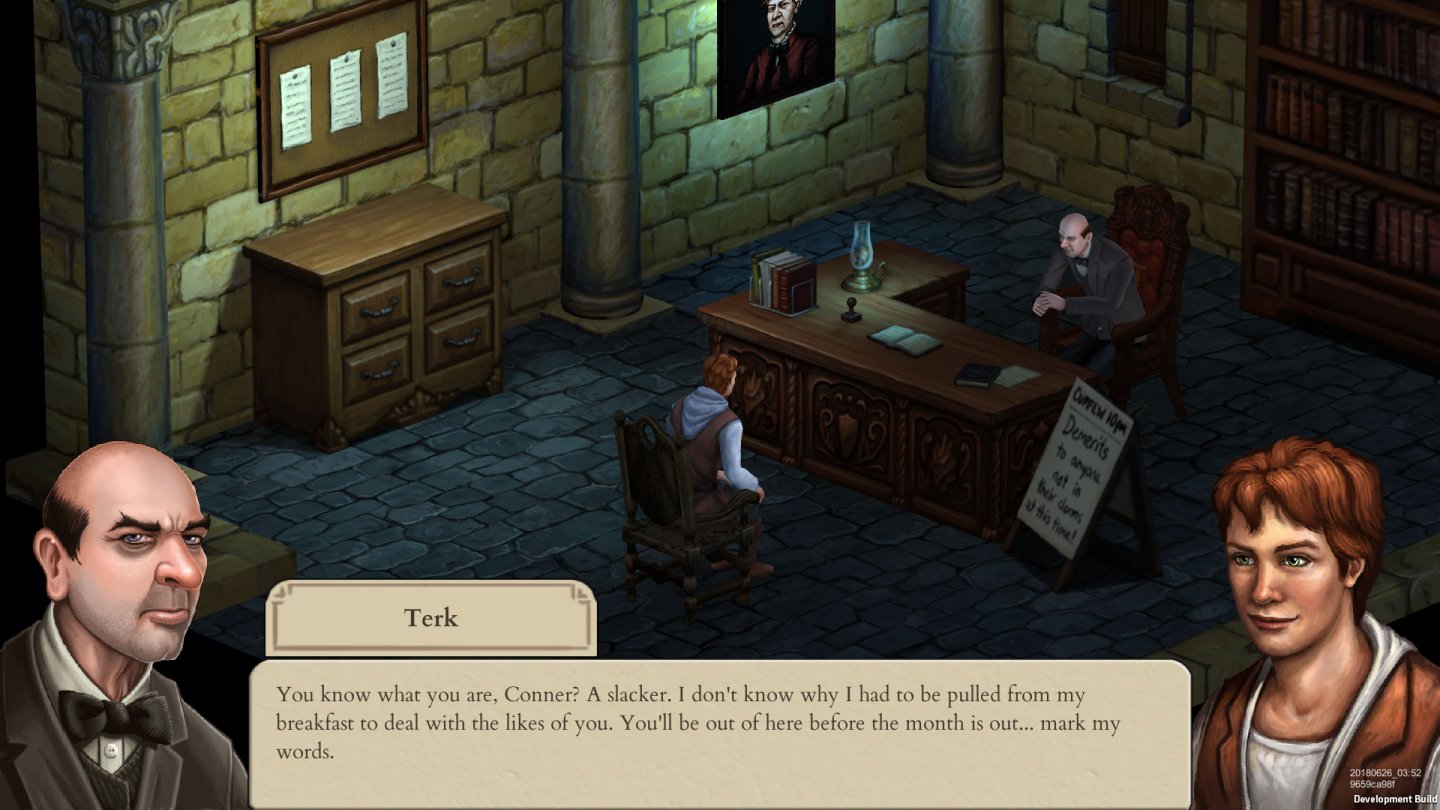
While our artists created the game graphics, Lori detailed out the story to match the new environments. We ended up with a game the size of a Quest for Glory – over 50 locations and over 20 key characters. We also developed a sophisticated scripting system that allows us to create dialogue and other interactions that we could not dream of when we were making Quest for Glory.
Still, fundamentally, the game is the same as what we originally proposed. You play as a Rogue in a University for Heroes. You meet people and develop relationships, explore the University and underground areas, develop your skills, and fight monsters.
Only the details have changed – the graphical presentation and the sophistication level of conversation and combat. We’ve developed a complex reputation system that runs through all of your conversations with other characters. That “scripting” (creating all the paths and writing the dialogue) is very time-consuming and far beyond what we could do in Quest for Glory.
[b]AG[/b]: What exactly is the status of the game at this point? What’s finished, what’s not, and how far along are the elements still in production?
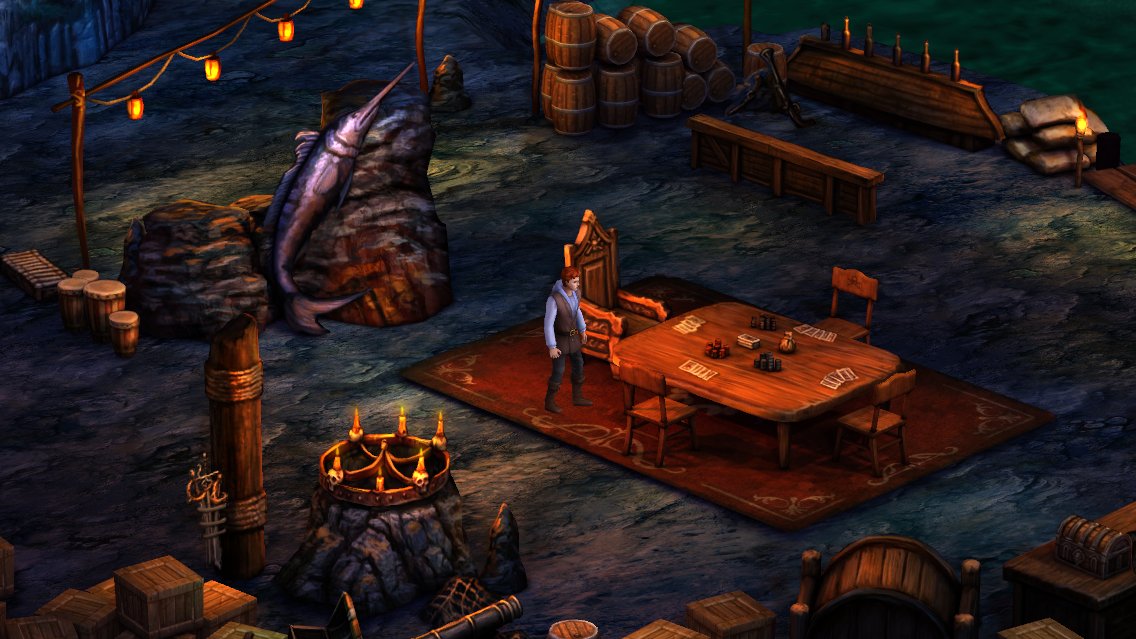
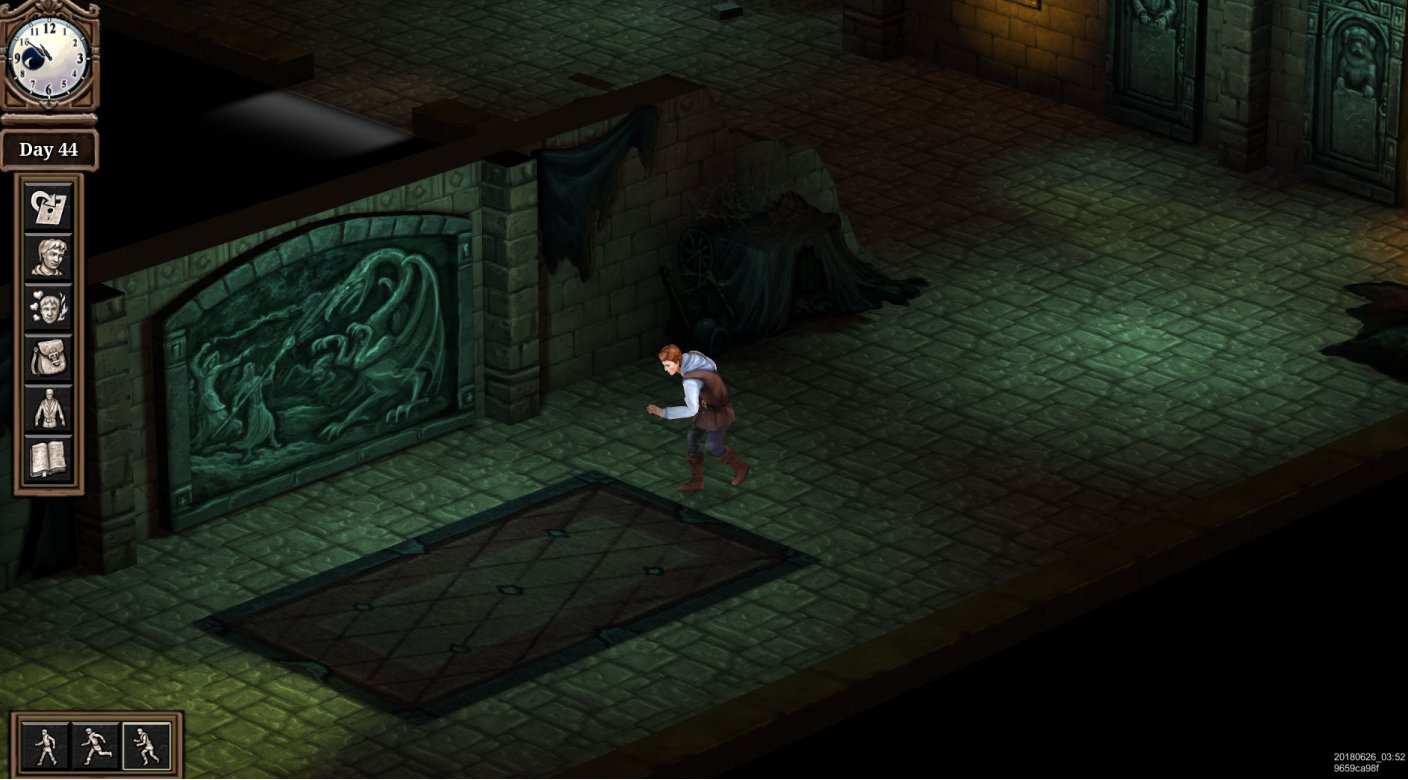
[b]Corey[/b]: Art is about 150% complete according to the original plan, which is to say about 80% complete with the new animation we intend to add and one 3D area that is still in progress. The player can walk around the entire University and the wine cellar, but we are refining all of the areas to make them look and play better. We also have a lot of work to do on refining combat, so I’d call programming 30%-40% complete. All of the basic design and story structure is done, but we have a great deal of writing and scripting to do. So 100% design, but 30% on writing and scripting.
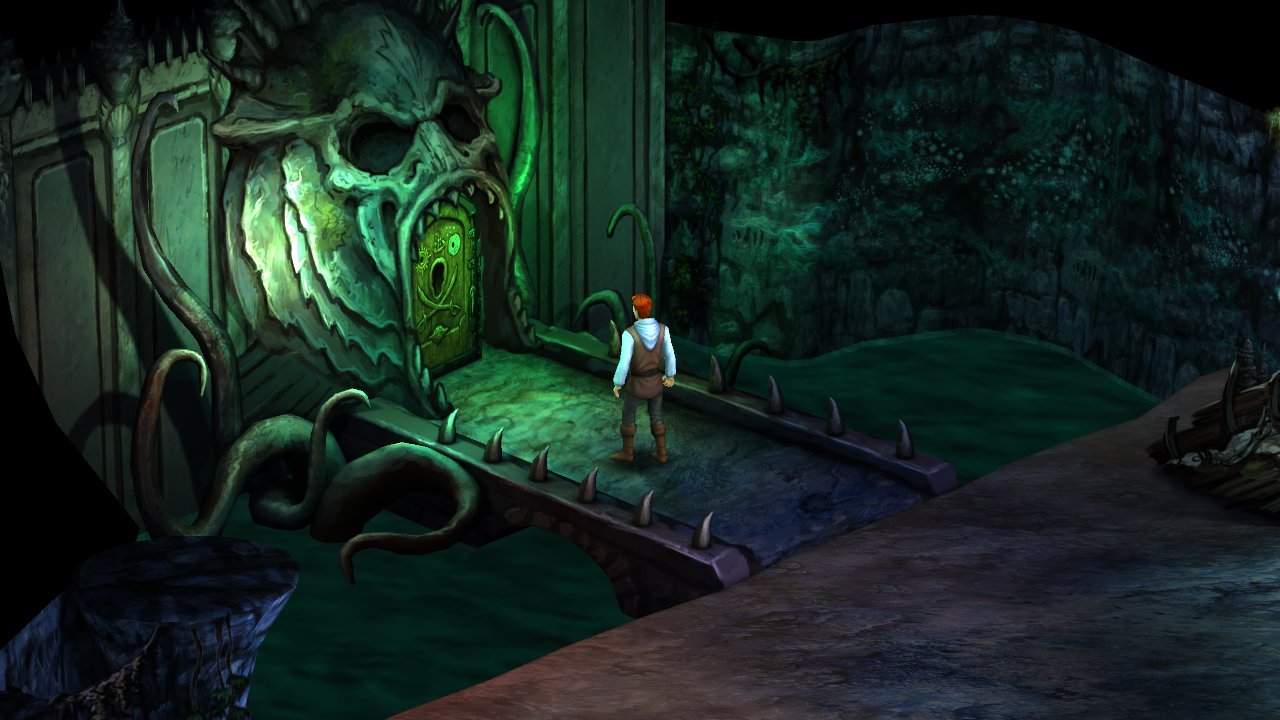
The hardest parts are out of the way – we have a scripting system integrated into Unity, we’ve worked out the combat basics, UI, and object placement and handling. We think it will take 6-8 months to finish all the writing, scripting, and programming. After that we expect a 3-4 month testing and refining cycle. That’s the part that got shorted on some of our Sierra games, resulting in buggy releases.
We expect to complete development late this year, and have the game ready for release early next year.
[b]AG[/b]: With your second Kickstarter still in need of one final push, the floor is yours to tell us why we should still have confidence in this project and support it if we’re able.
[b]Corey[/b]: Hero-U is a gorgeous game being developed by a dedicated team of artists, programmers, and designers. It is going to be a great game and a completely different one from anything else out there. By supporting Hero-U, you are supporting our developers and casting a vote for games with real story, dialogue, humor, and beauty.
One of our backers has contributed almost $20,000 so far through PayPal and the new Kickstarter. He is doing this because Quest for Glory was personally important to him, and because he believes that Hero-U will be an important new game. Another fan contributed $10,000 to our first Kickstarter campaign because she believes in our vision, and our games and School for Heroes web site changed her life in positive ways.
Lori and I have personally gone without pay for two and one-half years, and it will take at least another year before Hero-U generates any sales income to let us pay ourselves. That’s a $700K risk compared to working at full-time jobs. We’re doing that because we believe in this game and think it’s a more worthwhile thing to do than helping another company make another first-person shooter or Facebook game.
So the question to ask is not, “Should I have confidence in this project?” We’ve already answered that question with the personal sacrifices we’ve made. The question should be, “Does this game sound like something I’d like to see?” Your support for Hero-U on Kickstarter is not a pre-order; it’s a vote for great storytelling games.
If you liked our previous games, or want to find out why we earned both Adventure Game of the Year and Role-Playing Game of the Year for the same game, you should be visiting our Kickstarter page and Hero-U web site to make your own decision about whether to back Hero-U. The only question should be, “Is this a game I want to see made?” We will repay your support by doing everything in our power to make Hero-U, and more importantly to make it a great, fun, beautiful game.
[b]AG[/b]: Thanks for taking time to answer our questions, Corey, even if some were a bit uncomfortable. You can count many of us here at Adventure Gamers as huge fans of Quest for Glory (it’s not just any series that put two games on our Top 100 All-Time Adventure list), and whatever the bumps in the road to get it this far, we’d still love to see Hero-U succeed. So we wish you all the best in your latest Kickstarter endeavour, and look forward to playing the finished game early next year.
Latest Gaming Articles
All Articles