


Corey Cole – Hero-U: Rogue to Redemption

[b]AG[/b]: There is surely a lot of naïve public opinion about the cost and potential pitfalls of game development, but I suspect most people can sympathize with unanticipated problems that set scheduling back and create unforeseen costs, which has clearly happened to Hero-U. And it’s obvious from your personal sacrifices that you’ve been totally committed to the project from the start, so no one should doubt your effort and dedication to getting Hero-U made, and made well.
The troubling disconnect comes from the fact that you led people to believe your initial target would be enough. In your own words, you said: “Our goal is the minimum budget with which we can make a high-quality game.” That doesn’t seem to leave any room for an unwritten “…but really we’ll need more, and we know that already” proviso. You’re quite right that other games have had to supplement Kickstarter totals with other funding. The difference is that campaigns like Broken Sword and Tesla Effect were transparent about the fact, and found such funding elsewhere without double-dipping on Kickstarter.
Believe me, I get why you set your initial crowdfunding goal as you did. It surely was the only way it was going to succeed. And if fudging the numbers ultimately means the difference between Hero-U or no Hero-U, perhaps the ends justifies the means. Nevertheless, it does seem to be fundamentally dishonest to the very people supporting you, no?
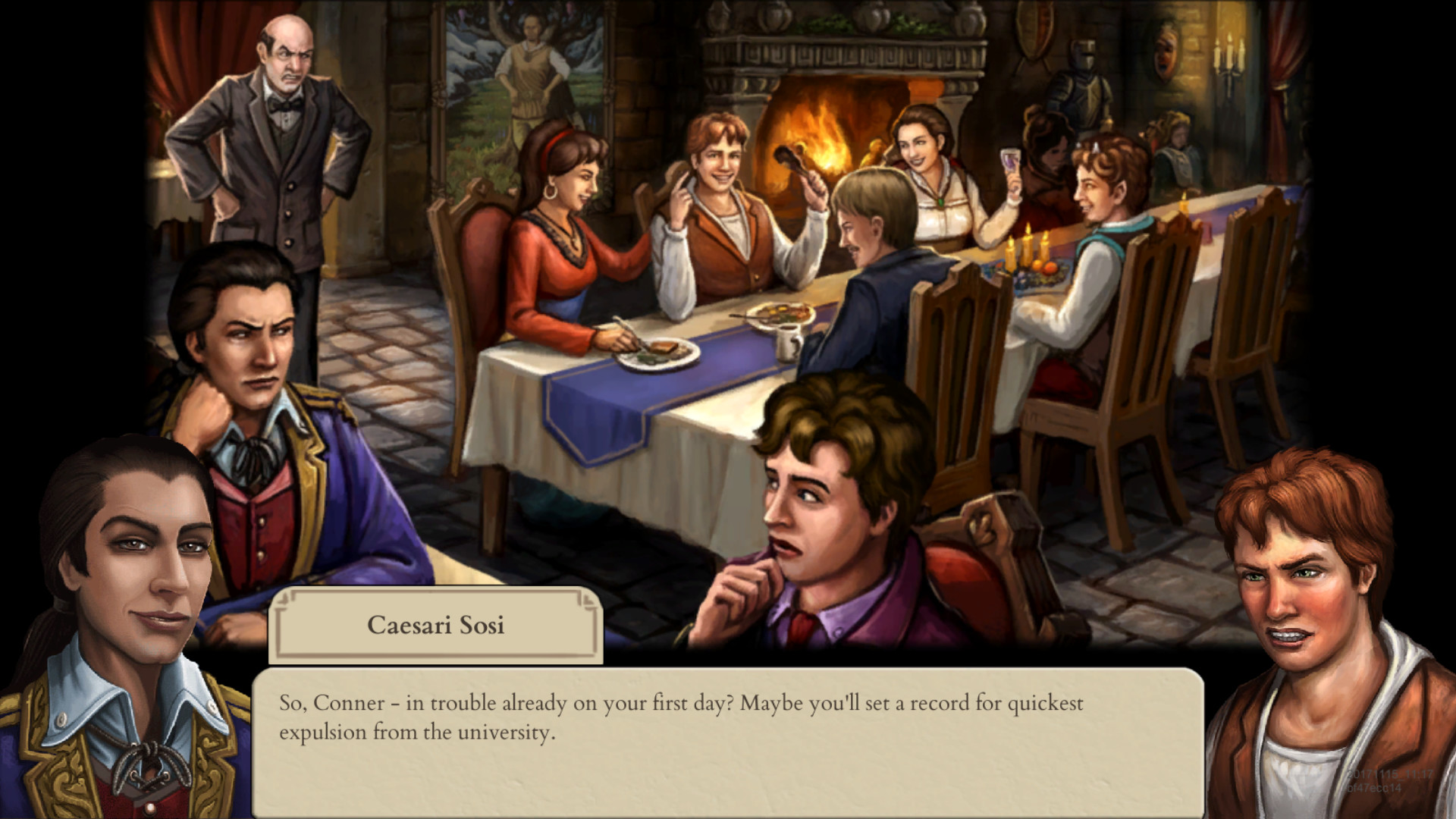
[b]Corey[/b]: No, not in the least. “Dishonest” implies bad faith, and we have never had that. I can accept naive, possibly even foolish. I can also accept that my phrasing was poor; however I did believe at the time that we could make a minimal game from $400,000 Kickstarter funding. The key was that we would not make a full game from scratch – we would get $250,000 value from leveraging a previous game. And that’s where we started the campaign – here’s one of our first concept pieces:
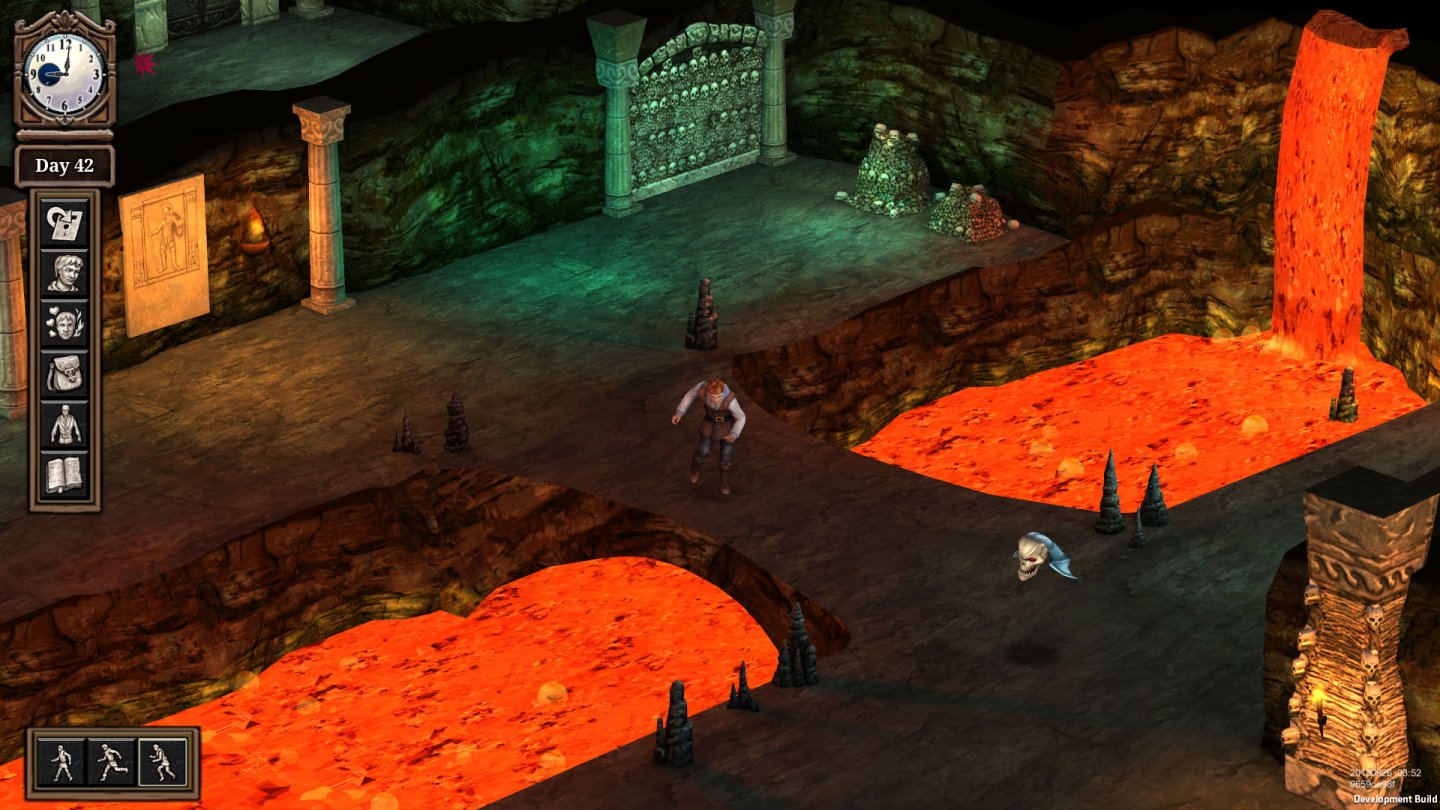
By the start of the Kickstarter, we had already decided we had to go beyond the top-down look of MacGuffin’s Curse. We knew that would add some complexity and cost to development, but we also knew we needed to do it. However, backers made it clear they weren’t impressed. To make our Kickstarter goal, we had to do more. Here’s a concept piece we shared near the end of the campaign:
We still intended to build it up out of tiles, but a quick glance will show that there would have been so many tiles, we probably would have been better off doing each scene as a full painting. That’s fine for a traditional adventure game with say 40 or 50 scenes, but not so good for an RPG that can have 150 or 200 scenes counting all the sections of dungeons and such.
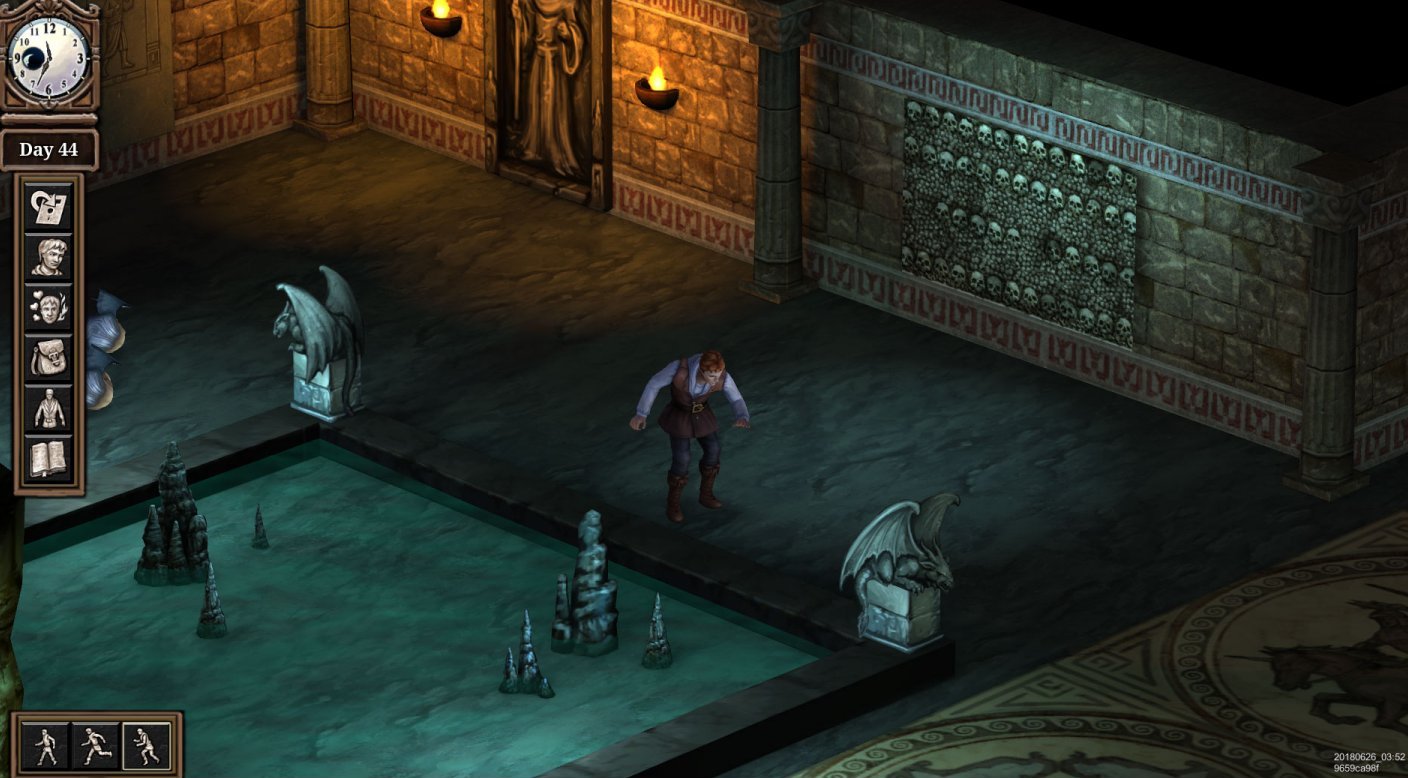
We might have been able to create multiple scenes like this with a few hundred tiles, but it would still have been a major expense increase from our beginning-of-campaign intentions. Still, we felt we had no choice. Potential backers were not supporting the campaign, and many gave the quality of the art as a reason. Lori and I also of course wanted to make a better-looking game.
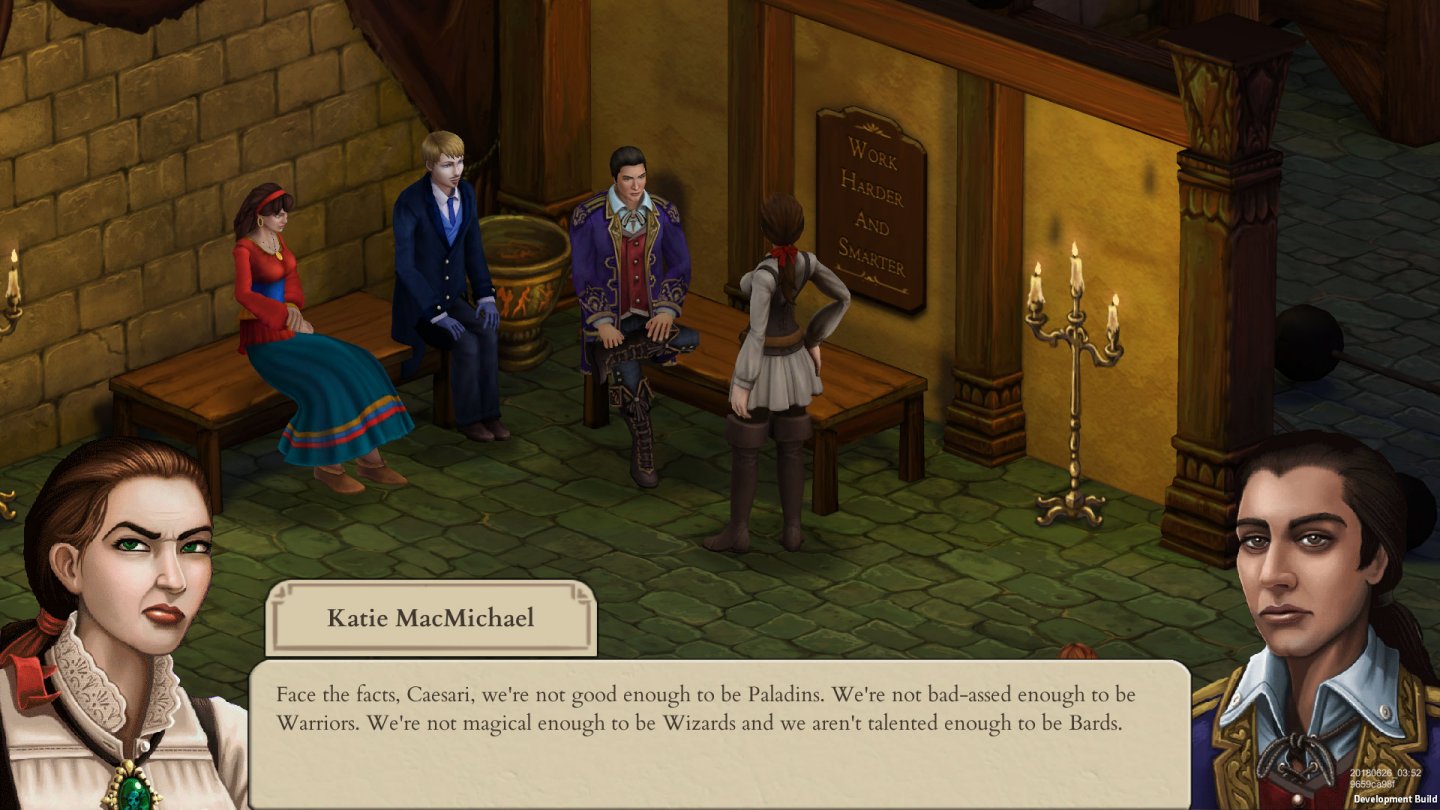
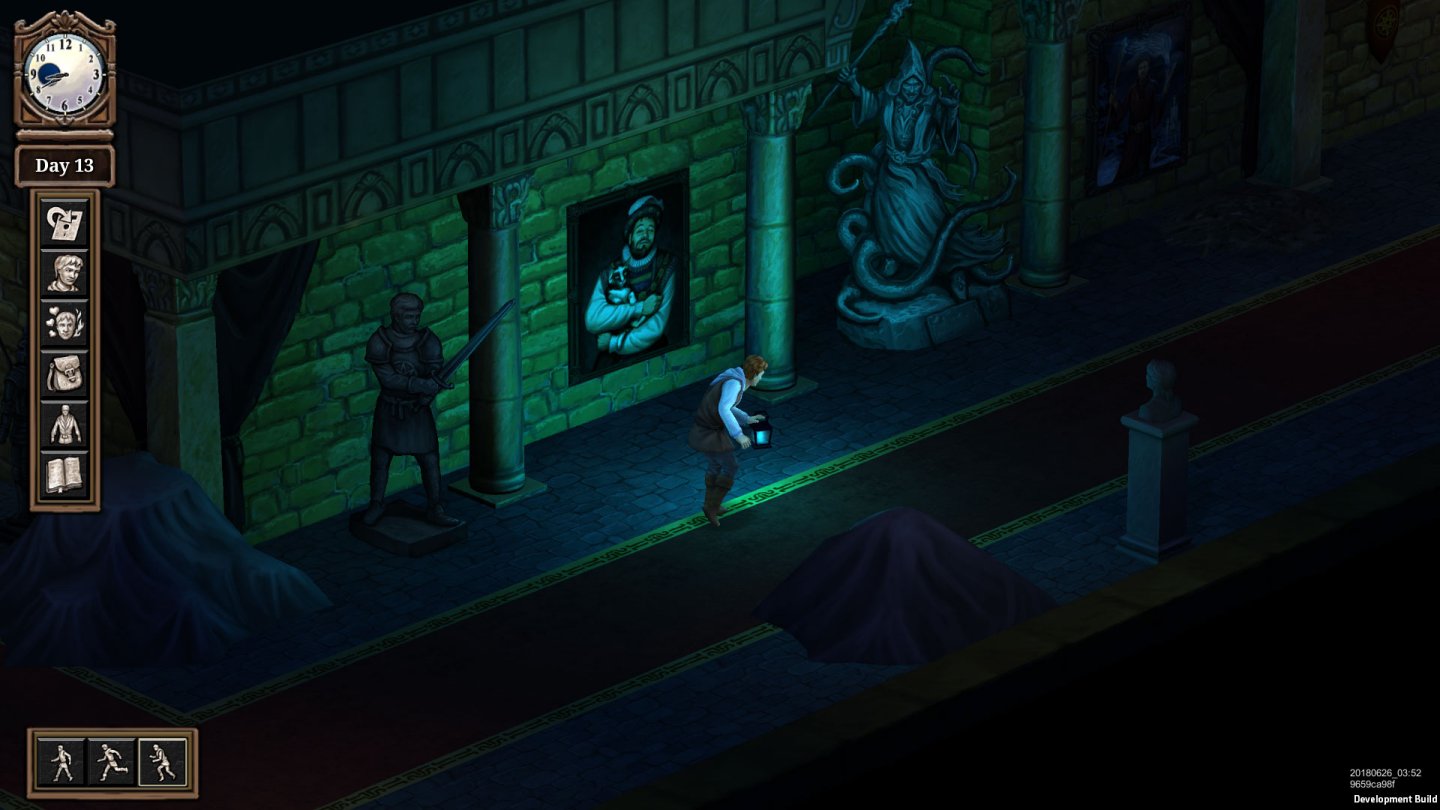
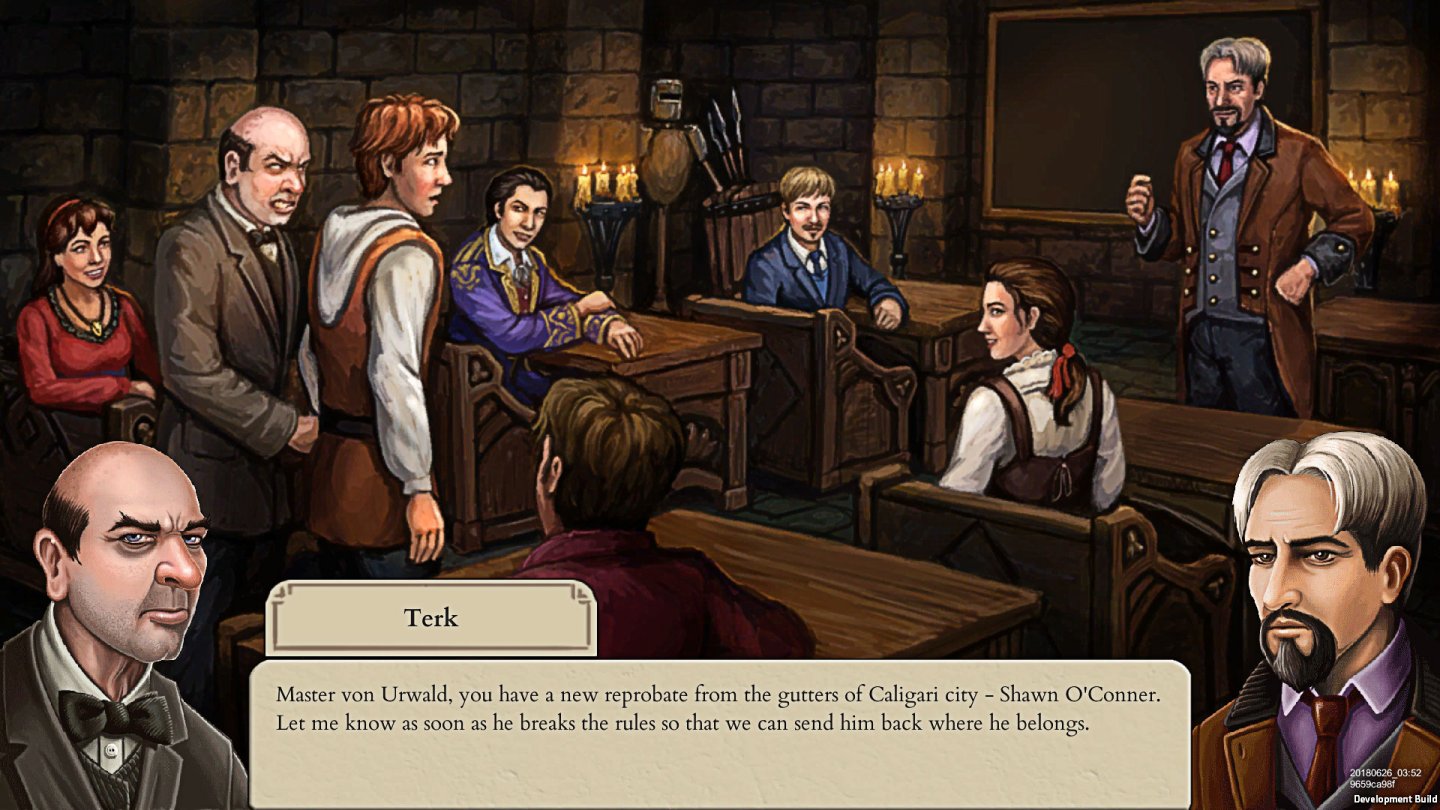
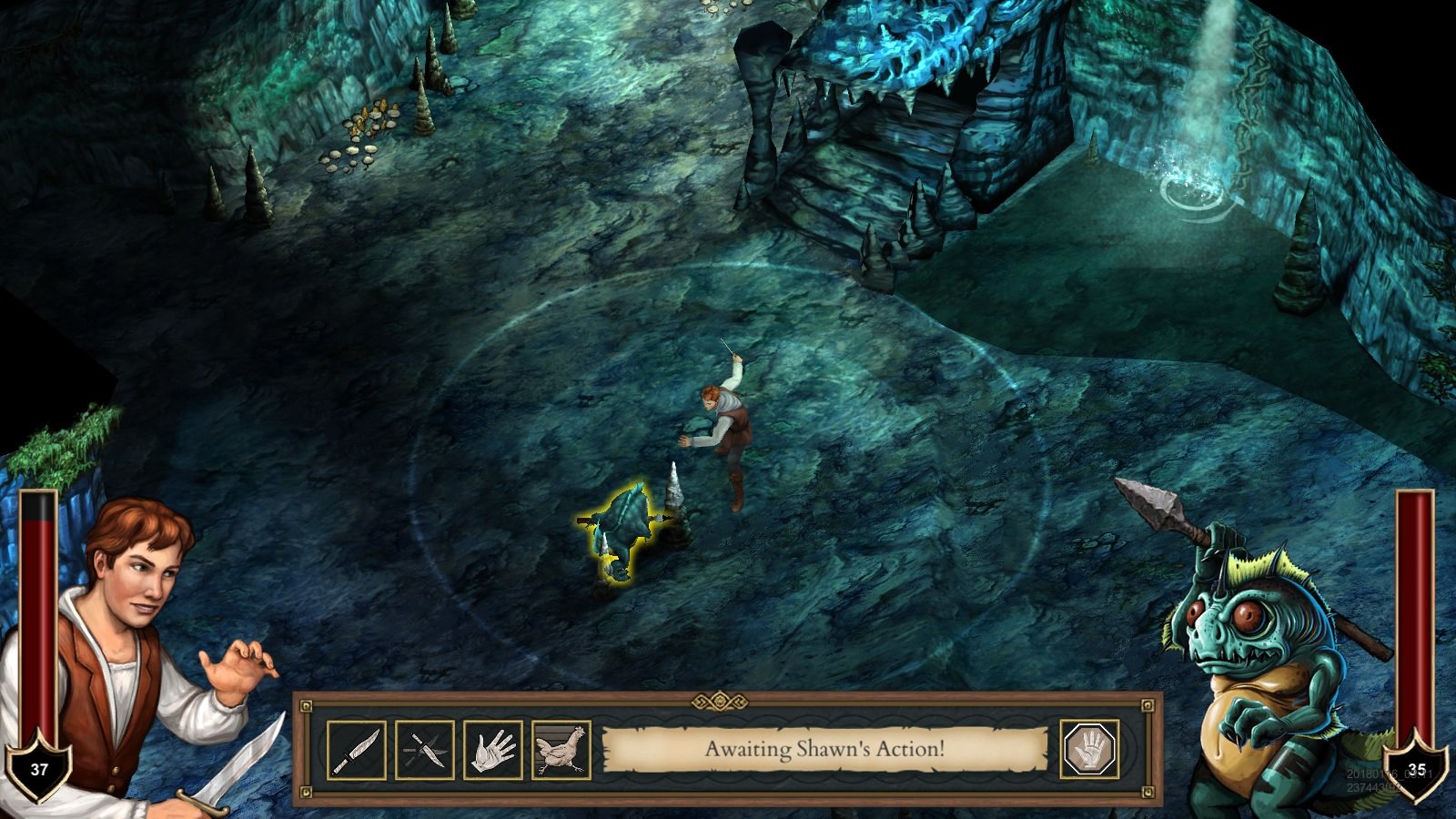
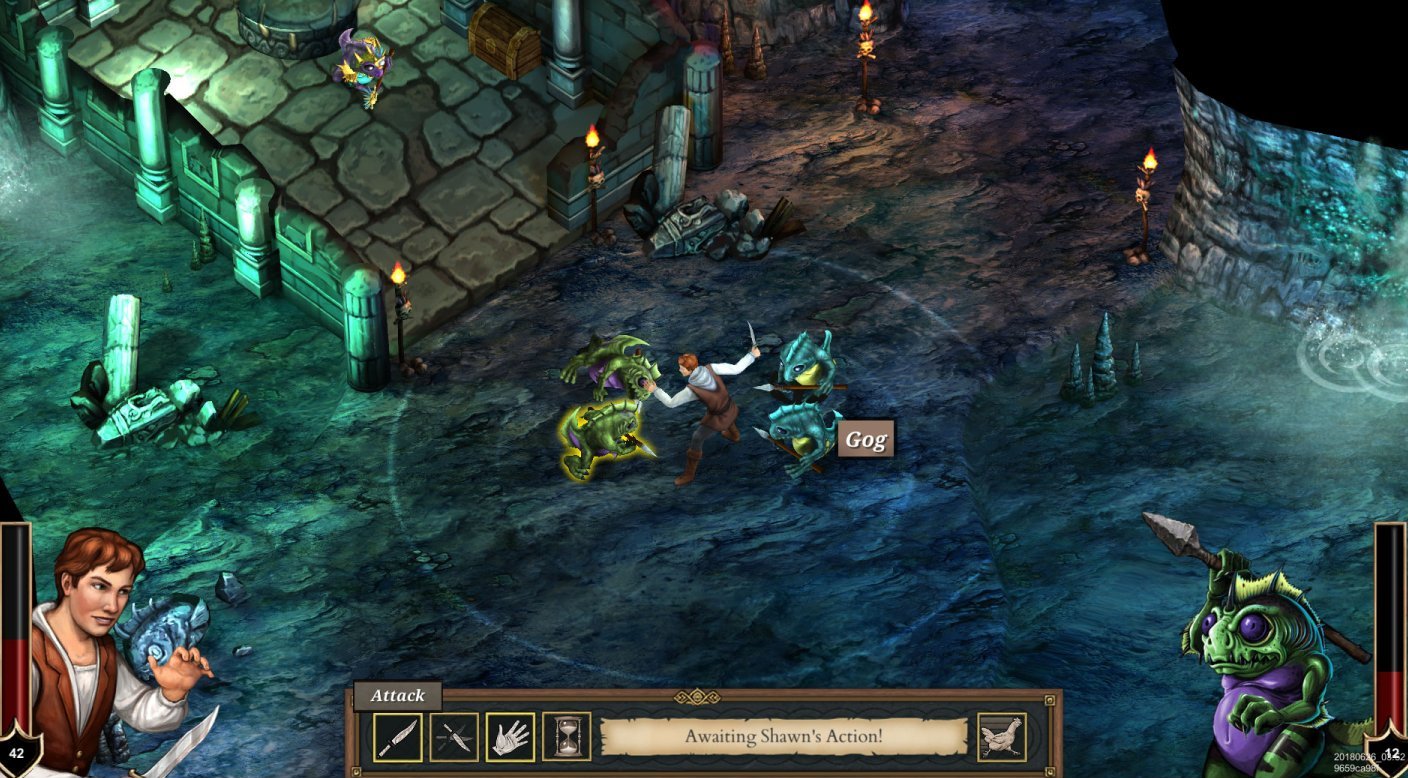
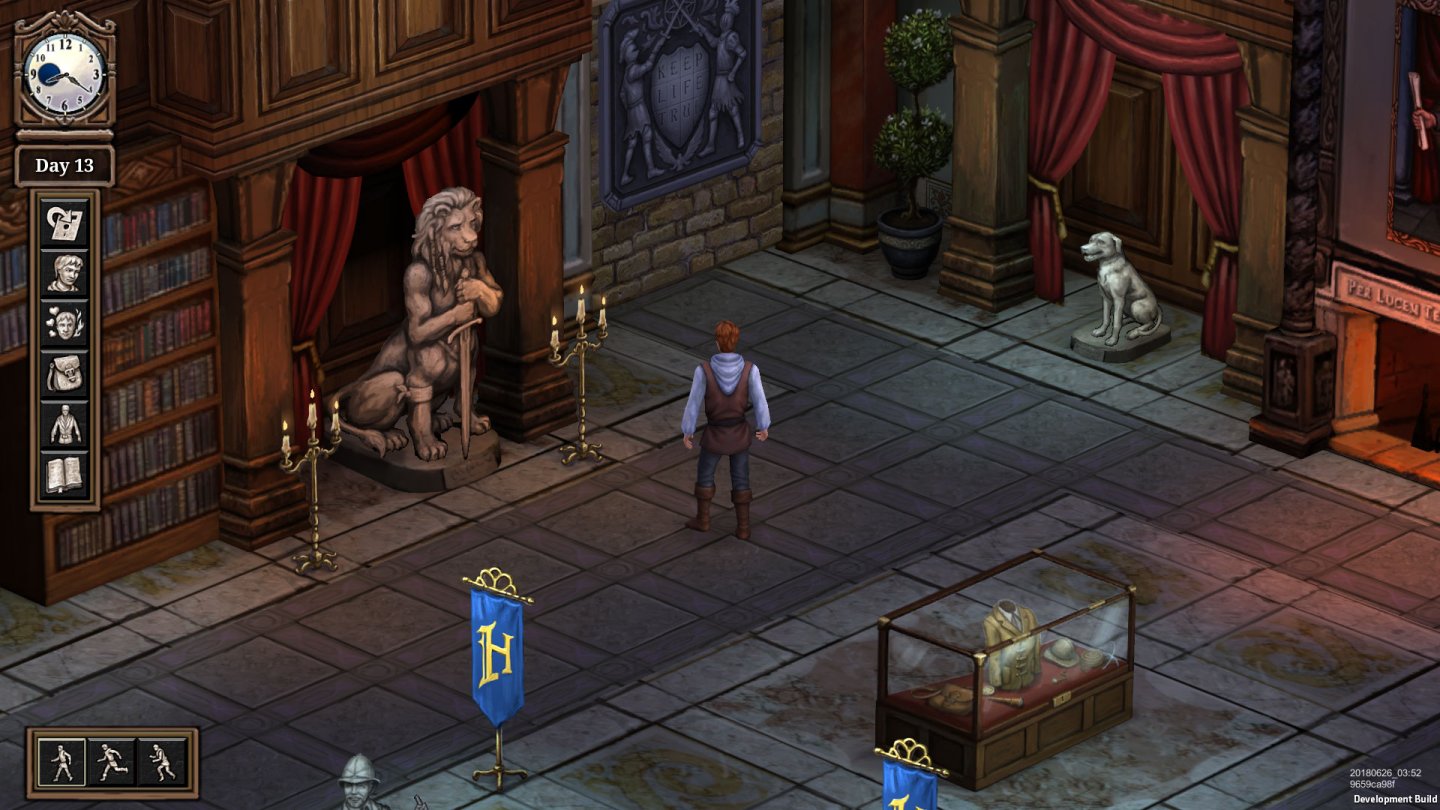
Here’s what the game looks like now. This is full 3D, allowing us to reuse textures and make arbitrarily large areas (the scene continues off-screen with multiple alcoves containing practice equipment).
This is the actual budget spreadsheet I made before the Kickstarter (but with a modified “Goal” column to reflect the actual pledges we received):
There was a problem with these projections, but it came down to bad communication rather than dishonesty. We based them on three projects – our Shannara and two indie games developed by the lead programmer. We would have to roll back developer rates to 1995 levels to manage that, but everyone (including the programming and art leads, and Lori and myself) seemed to be ok with it.
After the Kickstarter funded, the programming lead admitted that he needed to make more than twice what we had budgeted to meet his living expenses. He initially agreed to work half-time on the project, but then a full-time contract came along at his normal full rate, and he couldn’t do both jobs. With a family to feed, he dropped out. We also had some personality and style conflicts between two senior artists that led to one of them leaving the project.
So, you may ask, was the project budget $400K or $650K? The earlier one I made showed $650K as a reasonable project budget. I came up with the one above based on the funding we might actually receive.
$400K was practical if everyone worked at 1995 employee (as opposed to contractor) pay rates, we made the game look a lot like MacGuffin’s Curse, and kept art and new programming to a minimum.
It was impractical once we switched the art look to isometric tiles, and it was completely blown out of the water once we lost two key team members and found we could not get any leverage from the existing source code. All this happened after we locked in the Kickstarter funding goal.
We could probably have started over, using AGS with myself and one other scripter. What we would not have gotten was the game we wanted to make – a true adventure/RPG hybrid with both typical adventure game “rooms” and RPG-style mazes. That would have been financially prudent, but it wouldn’t have resulted in the game we had promised and wanted to make.
But really, the details don’t matter. Every project has issues like these. Every game is late; every game is over-budget. The bigger the game, the more it runs over budget. Could Broken Age have been made, along with the documentary, for its original $400K goal? Of course not! They received $3.3 million and it was only a down-payment for the game they eventually made.
Indies and big publishers play by different rules. Publishers never raise money to make a particular game. They fund the company with a combination of investments and profits from previous games, then they allocate resources to each new project. If the game runs late – as all of them do – they add more team members and more money. They also cancel many games after months or years of development.
Lori and I could not cancel Hero-U; that would violate the trust of our backers. Besides, we could see the potential gradually appearing in game builds, and we believe in the game.
Instead we chose to make a serious personal sacrifice by putting all of the game design and administrative budget into 3D characters and animation from a professional art house. In effect this meant that not only would Lori and I stop taking a salary, but we would have to pay all of our first year’s salary back to the company to continue development, and we would also have to go farther into debt. We do not have publisher or investor funding, nor do we have deep pockets with which to fund an over-budget game.
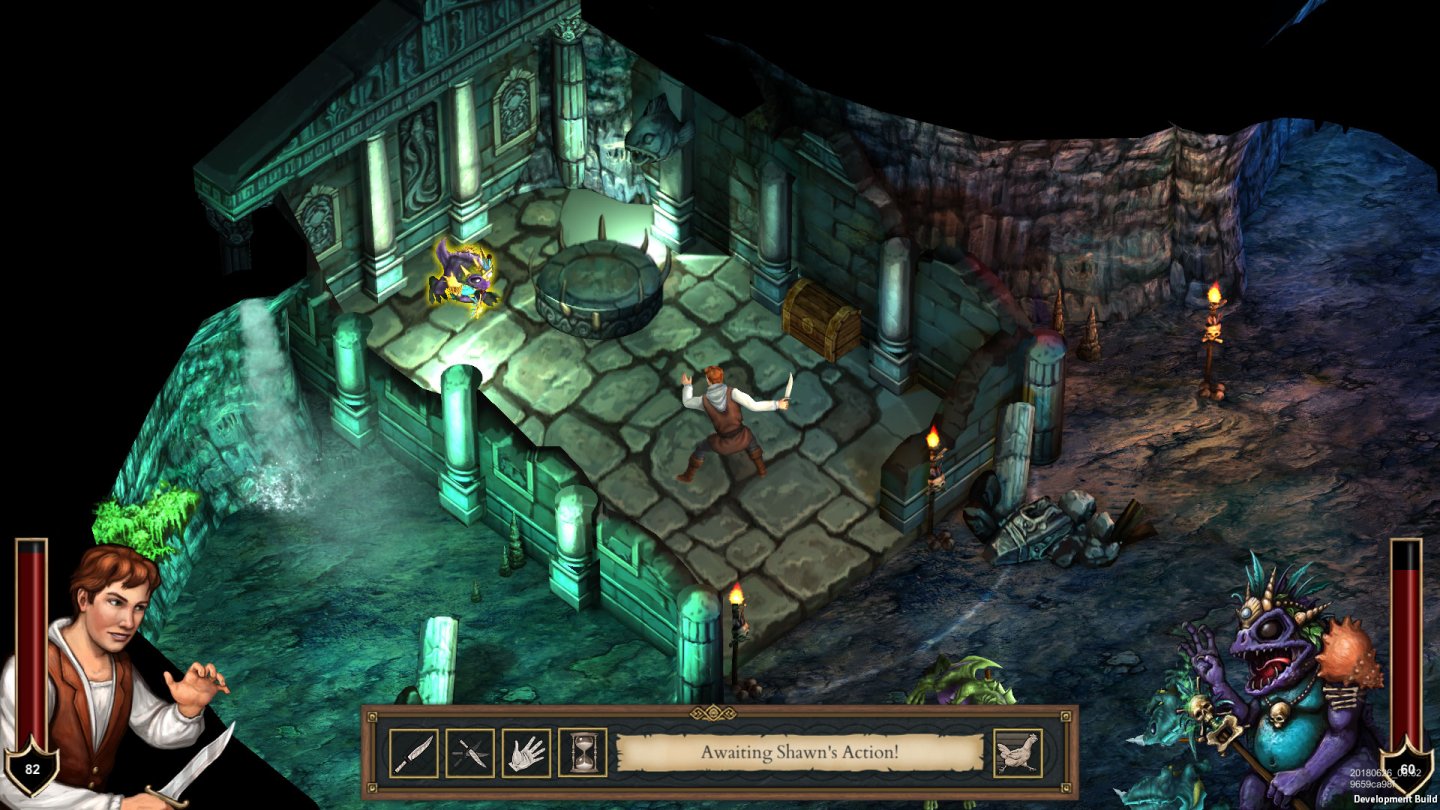
What we do have is a far better game than we originally set out to make. While we were struggling with programming issues, our artists kept working and keep making more beautiful game art.
[b]AG[/b]: So now you’re asking people to believe that the new Kickstarter goal of $100,000 is going to be enough. So two questions: after all the production setbacks so far, how can YOU be sure that number will be enough, and how can the public be expected to believe it after being burned the first time?
[b]Corey[/b]: $100,000 isn’t going to be enough, if by that you mean will it bring the project back to break-even. It is enough to help us finish the game, with compromises. Our actual income from just meeting the $100K goal will be about $70K after fees and reward fulfillment. That will cut our current debt in half. The project will still run at least $200K over budget with that money, and we will fund that deficit with personal loans.
A better way of looking at it is that the additional $70K will pay for 7-10 months of development. By cutting every non-essential part of the game, $70K will get us to a released game. If the project overfunds, we will be in a more comfortable position – still in debt, but certain that we have time to test and refine every feature of the game.
Where we are now is completely different from where we were in 2012. Back then we had only the concept of a game and a plan for making it with a particular team. Now we have a huge number of art resources, a much more sophisticated and robust scripting tool, and a number of very dedicated developers who are willing to work at 1995 rates or even postpone their pay until after game release because they care about and believe in the game.
If we run a few months later because of new challenges, Lori and I still have enough untapped debt resources that we can finish the game.
We will finish Hero-U because it is our life currently. If we can sell 10K copies at full retail, that will wipe out most of the debt. If we sell another 10K copies, we’ll actually have gotten the equivalent of our 1990 salaries. We might not hit those numbers, and will remain in debt, but we’ll have contributed something worthwhile to the world in the form of a good game that is about heroes rather than bloodshed.
While this is scary for a partially self-funded indie developer, it’s exactly how the wider game industry works. 90% of games fail or barely break even. The few major successes fund the other games. Developers who raise even less than we did (think $50,000 or less in many cases) are self-funding all of the development time and effort. They and several friends might work on a game two or more years. Only after it becomes successful do they have any funding to pay themselves and those friends. We’re all betting that our games will do enough to break out of that “win or starve” cycle.
Latest Gaming Articles
All Articles