



The Role of Artificial Intelligence in Modern Gaming

.jpg)
Gaming has captivated players for decades, offering everything from immersive stories to classic casino games, and complex puzzles. As technology evolves, so too does the potential for these games to innovate. One of the most exciting developments is the use of artificial intelligence (AI).
AI is reshaping how players interact with games, making experiences more dynamic, personalised, and engaging. Developers are now able to create richer, more interactive worlds that cater to individual player preferences. Here’s a look at the impact of AI on modern gaming and the opportunities it presents for the future of the industry and some of its key genres.
iGaming and the Rise of Flexibility
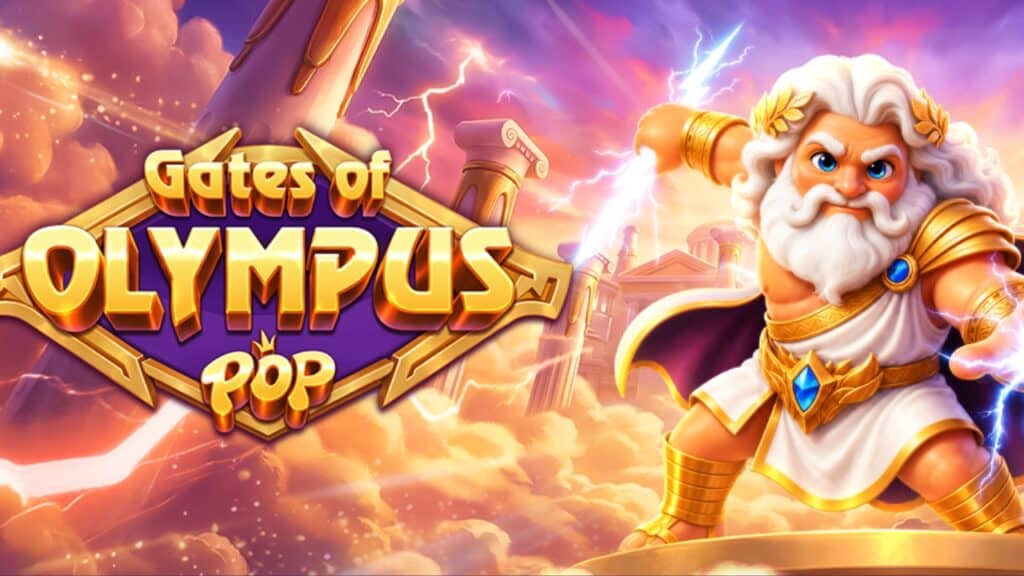
AI’s influence is not limited to traditional video games. It is also transforming the iGaming sector, particularly online casinos which have begun using it more and more. In Britain, the UK Gambling Commission’s stringent regulations have recently led to many iGamers feeling stifled by all the limits and restrictions it imposes.
This has led to a rise in the popularity of so-called games not on GamStop. These games are hosted on platforms that cater to players seeking gaming experiences outside of UK regulatory frameworks, offering diverse options and flexible gameplay. According to iGaming expert Ethan Carter, they also provide fewer restrictions and more freedom, such as the ability to bet with cryptocurrency, higher betting limits, and a wider gaming library.
Also driving this new phenomenon is AI, which is being used to personalise user experiences, analyse behaviour, and recommend games that match individual preferences. Advanced algorithms also enhance security by detecting fraudulent activity and ensuring fair play. By incorporating AI-driven features, non-GamStop platforms are attracting a global audience, showcasing the versatility of this technology across gaming genres and platforms.
Enhancing NPC Interactions
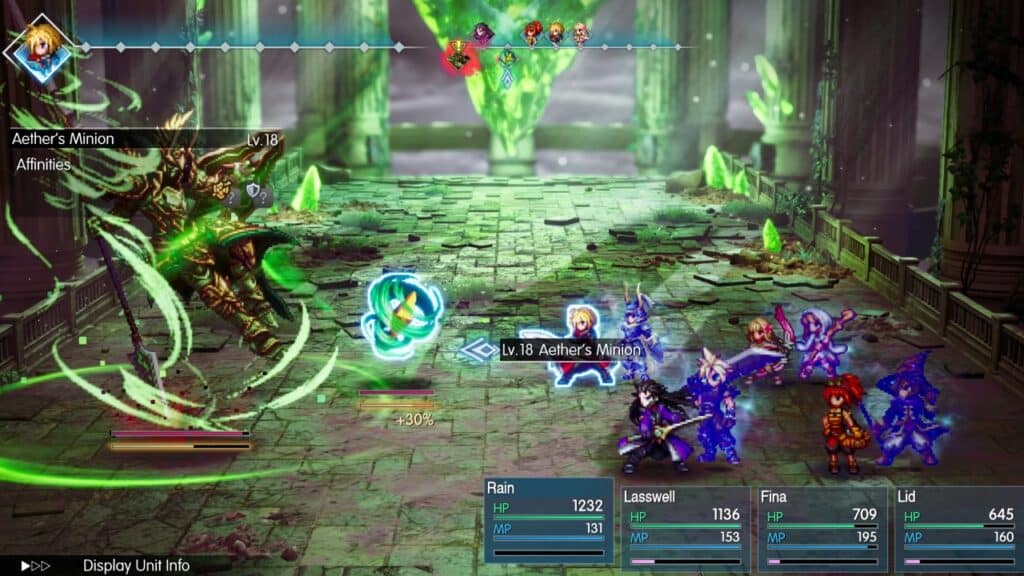
Non-player characters (NPCs) are central to adventure games. They guide players, provide clues, and enrich the narrative. Traditional NPCs often follow scripted behaviours, which can feel predictable. AI is changing this by enabling NPCs to adapt to player choices in real-time. Using natural language processing (NLP), characters can respond more intuitively, creating a sense of realism.
For instance, some games now feature NPCs who remember past interactions and adjust their dialogue accordingly. This adds depth to storytelling, making each playthrough feel unique. Additionally, AI allows NPCs to exhibit emotions or motivations, making them more lifelike and relatable.
Procedural Content Generation
AI-powered procedural content generation is transforming game design. Adventure games can now feature worlds that are dynamic and ever-changing. This technology allows developers to create environments, puzzles, and storylines on the fly, ensuring players encounter fresh content every time. For example, AI can analyse a player’s preferences and adjust the game’s difficulty or themes to match their style.
This keeps gameplay engaging and ensures that players remain invested in the story. Furthermore, procedural content generation can help smaller studios produce high-quality games by reducing development time and costs, levelling the playing field in the industry.
Personalised Storytelling
Storytelling is the heart of adventure games. AI is helping developers craft narratives tailored to individual players. By analysing player behaviour and decision-making patterns, AI can adjust the storyline to better align with their preferences. This could involve offering alternative endings, branching dialogue options, or unique character arcs.
Personalised storytelling not only increases replay value but also deepens the emotional connection players feel with the game world. Developers can also use AI to introduce unexpected twists or new challenges, ensuring the narrative remains engaging throughout the game. As a result, storytelling becomes a collaborative experience between the player and the game.
Improved Puzzle Design
Puzzles are a cornerstone of adventure games, but poorly designed ones can frustrate players. AI is revolutionising puzzle creation by making them more adaptive. For example, AI can analyse how long players spend on a puzzle and adjust its complexity in real-time. This ensures that puzzles remain challenging without becoming overwhelming.
Additionally, AI can introduce hints or solutions in a way that feels natural, helping players progress without breaking immersion. Developers can also use AI to generate puzzles that align with the game’s narrative, making them an integral part of the storytelling experience rather than standalone challenges.
Smarter Game Testing
Game testing is a crucial part of development. Traditionally, it’s a time-consuming process involving human testers. AI streamlines this by identifying bugs, balancing gameplay, and testing mechanics far more efficiently. AI can simulate thousands of gameplay scenarios in a fraction of the time, ensuring that games are polished before release.
This not only reduces development costs but also results in higher-quality games for players to enjoy. Additionally, AI-driven testing and other game testing developments can help predict player behaviour, allowing developers to optimise game design and address potential issues before they arise, resulting in smoother and more enjoyable gameplay experiences.
Conclusion
Artificial intelligence is transforming the adventure game genre. From smarter NPCs to adaptive puzzles and personalised stories, AI is pushing the boundaries of what’s possible. It is also making its mark in the iGaming sector, demonstrating its versatility across various gaming platforms.
As technology continues to advance, the potential for innovation is limitless. Adventure games can become even more immersive and engaging, ensuring they remain a beloved genre for years to come. For developers and players alike, the future of AI in adventure games is full of promise, offering endless opportunities for creativity and growth.
Latest Gaming News
All News