



The Art of Storytelling in Modern Adventure Games

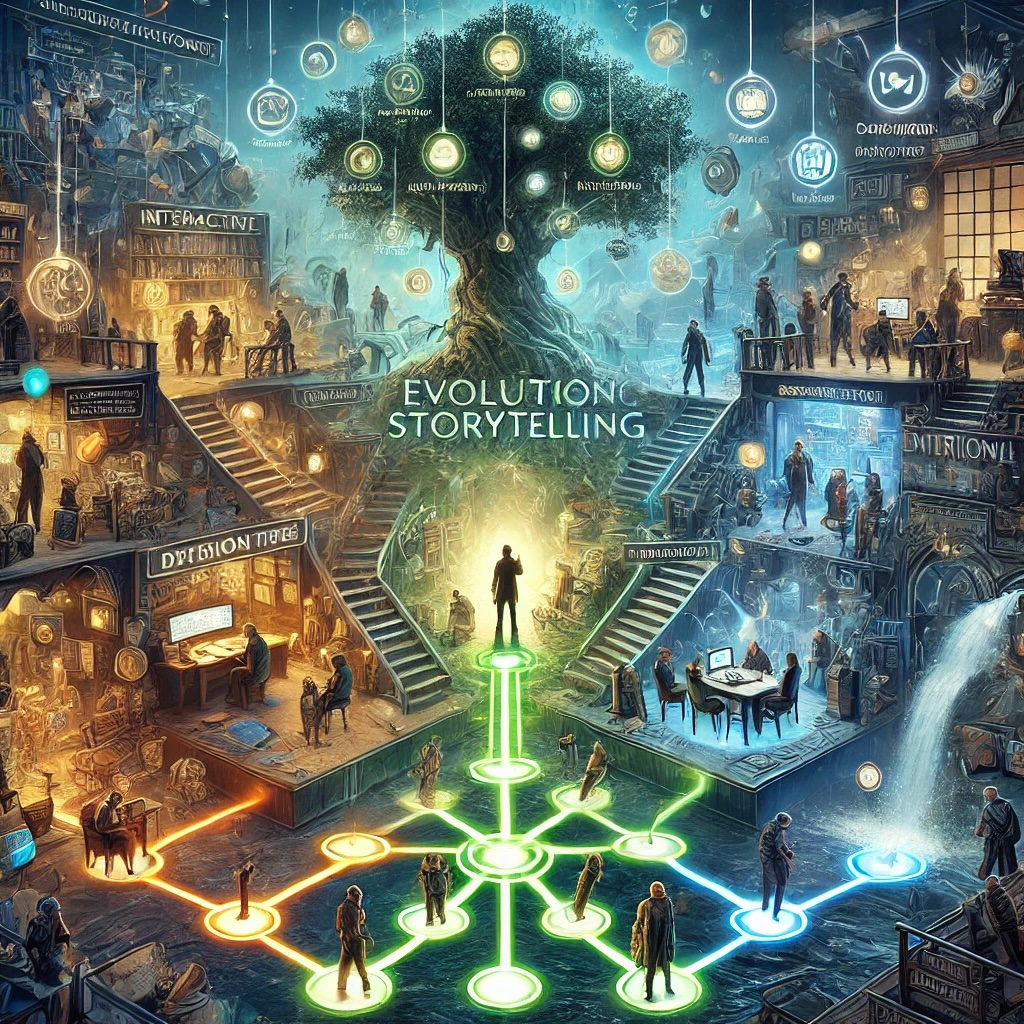
The landscape of adventure games has significantly changed in recent years, evolving from linear narratives to complex, player-driven experiences. As of January 2025, storytelling in modern adventure games is characterized by depth and interactivity, reflecting a broader trend in the gaming industry toward immersive narratives. Although battle royale and extraction shooter games still hold popularity, the community is slowly seeking new enjoyment. Luckily, storytelling is back, and we are all here for it!
The Role of Player Choice in Storytelling
Player choice is a cornerstone of modern adventure games, allowing individuals to influence the narrative actively. This mechanic has gained traction due to its ability to create a sense of agency among players. For instance, games like Mass Effect and The Witcher 3 are renowned for their branching storylines, where decisions made by players can lead to vastly different outcomes. According to a 2024 report by EGMNow, nearly 78% of players desire narratives that respond dynamically to their choices, indicating a strong preference for interactive storytelling.
Incorporating elements from other gaming genres can further enrich player experiences. For example, online gaming platforms often offer promotions that improve gameplay. Moreover, whether on platforms that you can use the DraftKings Casino promo code or any other of your choice, certain storytelling games leaked into other forms of entertainment, like online casinos. The variety of choices available to players across different gaming environments emphasizes the importance of choice in narrative and gameplay mechanics.
Immersive Environments and Environmental Storytelling
The environments within adventure games play a crucial role in storytelling. Unlike traditional narratives that rely heavily on dialogue and cutscenes, many modern adventure games utilize environmental storytelling to convey plot points and character development. This technique allows players to uncover narratives through exploration and interaction with the game world.
For instance, The Last of Us Part II masterfully employs environmental storytelling. Players discover hints about character backstories and motivations through their surroundings. A study published in 2024 highlighted that 65% of players felt more connected to the story when they could piece together information from the environment rather than being told directly. This method deepens immersion and encourages players to explore the game world more thoroughly.
Character Development and Emotional Depth
Character development is another vital component of storytelling in adventure games. Well-crafted characters with rich backstories contribute significantly to narrative building. Players are more likely to invest emotionally when they feel connected to characters whose journeys reflect their choices.
Games such as Life is Strange personify this method by enabling the building of relationships in characters through choices and actions. In a study conducted by Genius Crate in 2024, emotional investment in the characters increased player retention by up to 30%. This alone is a strong indicator of the value placed on well-developed characters in order to retain interest from the players throughout.
Interactive Storytelling and Merging Gameplay with Narrative
Integrating gameplay mechanics with narrative elements is essential for creating a cohesive experience. Many modern adventure games employ interactive dialogue systems that allow players to influence conversations and outcomes based on their choices. Making the story feel more personal reinforces the idea that player actions have real consequences.
For example, Cyberpunk 2077 features dialogue options that can lead to different story branches and endings, making each playthrough unique. A survey of gamers revealed that 83% prefer games in which their choices significantly impact the storyline. This preference highlights the effectiveness of merging gameplay with narrative to create an enthralling experience.
Evolving Technology and AI in Storytelling
Technological advancements are transforming how stories are told within adventure games. Artificial intelligence (AI) is increasingly used to create dynamic narratives where non-playable characters (NPCs) react realistically based on player interactions. This evolution allows for a more organic storytelling experience.
In titles like Watch Dogs: Legion, AI-driven NPCs display complex behaviors based on player action and direction. According to EGMNow, in late 2024, more than 70% of players liked NPCs with unique personalities that changed throughout the game. Such details tell a more immersive story and call for the creation of a world in which any action the player makes seems to have consequences.
The Future of Storytelling in Adventure Games
Several trends are set to shape the future of storytelling in adventure games. The rise of virtual reality (VR) technology is expected to reinforce immersion further by placing players directly into the narrative. Additionally, advancements in AI will continue to refine NPC interactions, making them more lifelike and responsive.
With new narrative structures being discovered, such as non-linear storytelling, players will enjoy even more freedom in how they experience stories. According to a recent study, 60% of developers are working on projects that place a premium on non-linear narratives and player-driven experiences. This is great for adventure games, as the future will bring more personalized and interactive storytelling.
Latest Gaming News
All News