



Puzzles, Quests, and Hidden Treasures in the World of Adventure Games

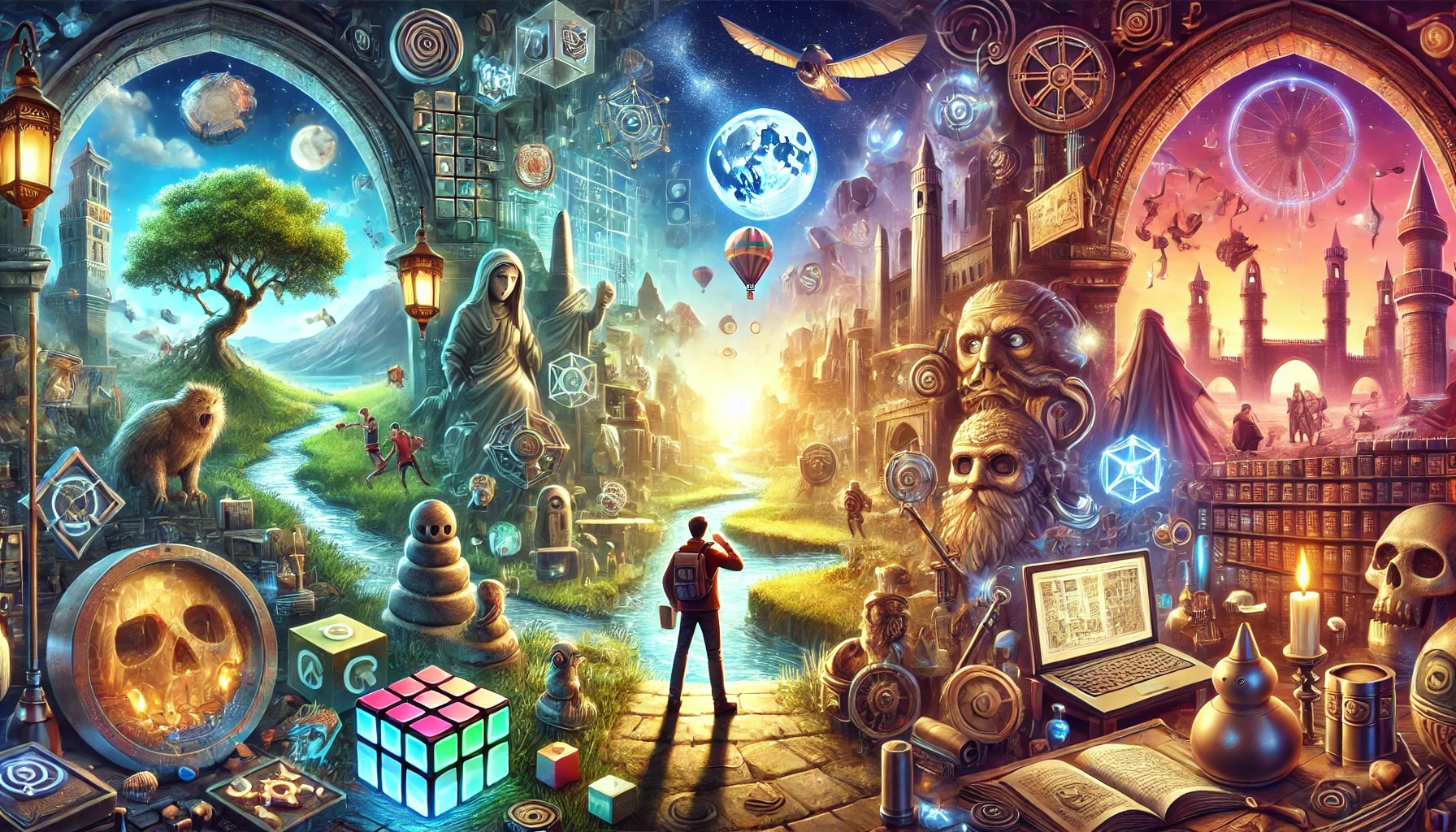
Adventure games have always been a favorite among gamers. These games are known for drawing players into detailed worlds filled with puzzles, quests, and hidden treasures. The combination of solving challenging problems and discovering secret items keeps players interested as they explore exciting stories and environments.
Over the years, the genre has grown and changed. While traditional adventure games focus on point-and-click mechanics, modern titles now include trends like open-world exploration, complex storytelling, and interactive choices. This mix of classic elements with new features helps adventure games stay engaging and enjoyable for today’s audience. According to the National Center for Biotechnology Information (NCBI), video games, including interactive fiction, have shown to be effective tools for communicating complex scientific concepts such as nanotechnology, which demonstrates the potential of adventure games to offer educational value through immersive storytelling and gameplay .
The Role of Puzzles in Adventure Games
Puzzles are a key element in adventure games, providing challenges that encourage players to think critically and solve problems. These tasks keep the gameplay engaging and rewarding as players need to use observation, reasoning, and strategy to move forward. Each puzzle adds to the overall experience by creating moments of mental stimulation and achievement.
Some popular types of puzzles in adventure games include:
-
Logic puzzles – Players solve sequences, patterns, or riddles that require logical thinking.
-
Inventory-based puzzles – Players collect items throughout the game and combine them to progress through levels or unlock new areas.
-
Dialogue challenges – Players must choose the right conversation options to influence the game’s story or solve mysteries.
-
Environmental puzzles – Solving challenges based on interacting with the game world, such as pulling levers or aligning objects.
-
Timed puzzles – Players must complete a task within a set time limit, adding pressure and excitement.
-
Sound-based puzzles – Players use audio cues to solve problems, often requiring keen listening and pattern recognition.
Games like the Myst series and The Room are prime examples where puzzles are the main attraction. In Myst, players explore mysterious worlds, solving interconnected puzzles to uncover the storyline. The Room focuses on intricate, puzzle box mechanics, requiring players to solve physical and visual puzzles. These games keep players engaged with their unique problem-solving elements, making puzzles the highlight of the gameplay experience.
While adventure gamers are often drawn to the thrill of solving puzzles and uncovering hidden treasures, some might find similar excitement in exploring a Sweepstake Casino. These platforms, commonly found online, offer real-world rewards through a blend of luck and strategy, adding an extra layer of anticipation for those seeking a different kind of challenge. Though not adventure games, a Sweepstake Casino provides a comparable sense of discovery and reward for players who enjoy engaging, prize-driven experiences.
Quests: The Heart of Adventure Gaming
Quests are central to adventure games, giving players a sense of purpose and progression. Whether solving mysteries or exploring new areas, quests keep players motivated as they navigate the game world.
There are different types of quest structures in adventure games:
-
Linear story-driven quests – These quests guide players through a set storyline, with specific objectives that must be completed in a particular order. This structure ensures that the story unfolds clearly and cohesively.
-
Open-world explorations – In this structure, players have more freedom to explore the game world and choose which quests to tackle. The quests are often scattered throughout the map, encouraging players to explore and discover them organically.
-
Main story quests vs. side quests – Main story quests are essential to completing the game, while side quests offer additional challenges, rewards, or storylines. Modern games often balance both, giving players the freedom to focus on the primary storyline or explore additional content.
Games like The Legend of Zelda: Breath of the Wild excel at blending main and side quests, letting players shape their adventure and explore at their own pace.
By offering various quest structures, adventure games provide players with both a clear purpose and the freedom to explore, making each playthrough unique and exciting.
Hidden Treasures: The Thrill of Discovery
One of the most exciting features of adventure games is the discovery of hidden treasures and secrets. These elements encourage players to explore every part of the game world, making the experience more thrilling and rewarding. The excitement of finding a secret or valuable treasure adds depth to the gameplay.
Hidden treasures often come in the form of special items like rare weapons, resources, or valuable loot. They can unlock new abilities or provide essential upgrades to help players progress. Occasionally, they also reveal extra story details that enrich the game’s narrative and characters.
Some games go further by hiding Easter eggs or bonus content, rewarding observant players. In games like Uncharted and Tomb Raider, finding ancient relics and lost treasures not only advances the story but also offers valuable rewards, making exploration fun and engaging.
Modern Trends in Adventure Gaming
Adventure games are evolving with new technologies and approaches. One major development is virtual reality (VR), which allows players to interact directly with the game world, adding a sense of realism and enhancing exploration and puzzles. As noted by the Office of Justice Programs, video games have also shown potential in educational contexts, particularly in promoting bystander intervention and raising awareness about critical issues like violence prevention through engaging and interactive formats .
The episodic format is also gaining popularity, with games like Life is Strange releasing their stories in parts. This keeps players engaged as new episodes become available, adding excitement with each installment.
Indie developers are keeping the genre fresh with creative storytelling and unique mechanics. Games like Oxenfree and Night in the Woods stand out for their distinctive approaches, bringing new life to the adventure game genre.
Conclusion
Adventure games continue to captivate players with their engaging puzzles, quests, and hidden treasures. The genre has evolved, blending traditional elements with new technologies like VR and episodic storytelling, ensuring that adventure gaming remains exciting for both new and longtime fans. Indie developers further contribute by bringing fresh ideas and unique gameplay mechanics. Whether it’s solving complex puzzles, exploring vast worlds, or uncovering hidden secrets, adventure games offer a rich and rewarding experience. For those seeking something different, even platforms like sweepstakes casinos can provide a similar sense of thrill and discovery in a new way.
Latest Gaming News
All News