



Zoetrope Interactive – Darkness Within 2

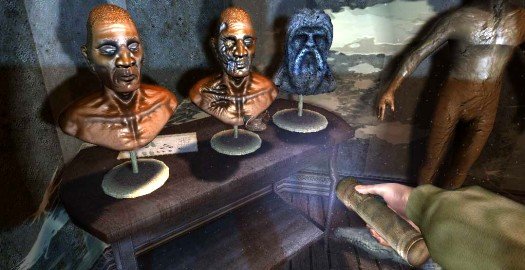
When you think of adventure game hotbeds around the world, Turkey might not be the first country that springs to mind, but Zoetrope Interactive has been working hard to change that impression. Emerging in 2007 with a Lovecraft-inspired horror adventure named Darkness Within: In Pursuit of Loath Nolder, the little studio based in Istanbul returns to the spotlight this month with the release of its sequel, The Dark Lineage. This isn’t merely a by-the-book recycling of original elements with a continuing storyline, however, as Zoetrope has made some bold changes this time around. We’ve detailed some of these changes in our hands-on preview, but it’s time now to go a little farther behind the scenes, straight to the developers themselves. Company co-founder (and series co-writer and designer) Onur Samli paused for a few brief moments during crunch time to talk about Darkness Within 2 in more detail.
Adventure Gamers: With just a few weeks before release, we still don’t know all that much about Darkness Within 2’s storyline. What can you tell us about the new game’s plot?
Onur Samli: DW2 is the story of a man called Howard Loreid who is in search of the reason behind the paranormal happenings he’s experiencing. Because of a chain of events he’s been through, he is hospitalized and during a surgery which would probably result in his death, he is kidnapped by a mysterious man. Later he finds himself in an abandoned cottage with a letter telling him to go to a town called Arkhamend to find a book and seek answers about his own lineage, which is directly connected to his condition.
AG: Will the sequel be something that newcomers can jump into, or is playing the original pretty much a prerequisite for understanding what’s going on?
Onur: It’s pretty safe to say this game is for everyone. All the things players need to know and more are explained with animated cutscenes and in-game documents scattered around the game world.
AG: You’ve cited Lovecraft as an inspiration for DW. In what way has his influence impacted this series?
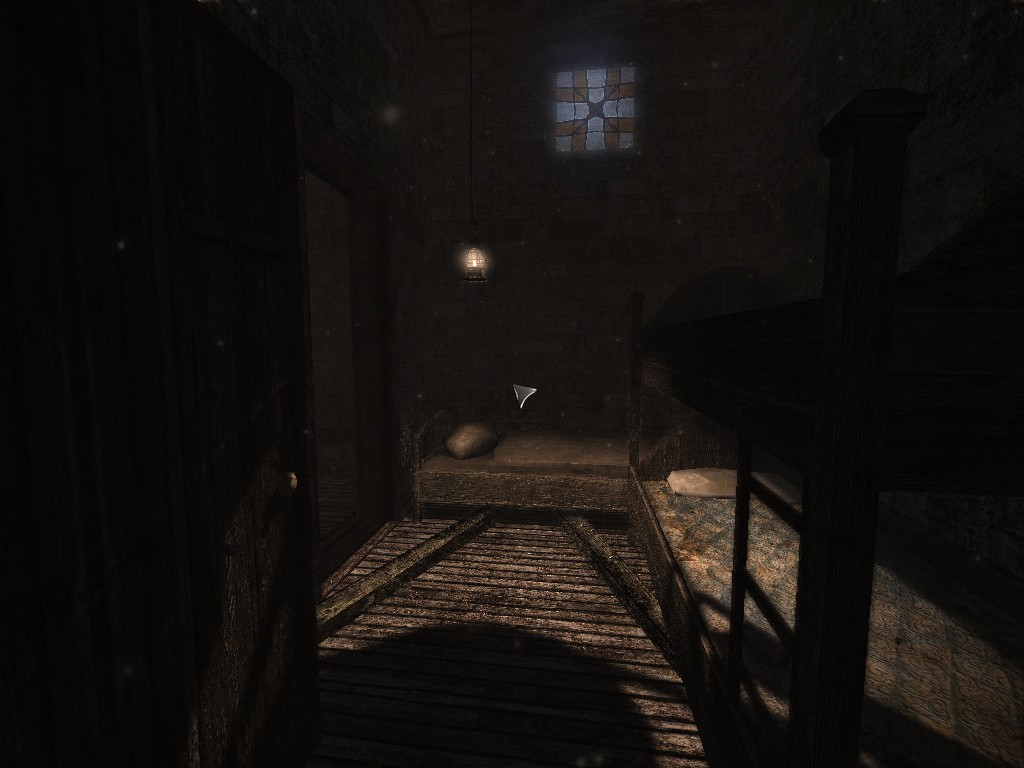
Onur: We used his story-telling style and places, and tried to create a world based on his works which would inspire the same feelings as his readers. And I can say we got very positive feedback about creating the atmosphere of his books in the first installment.
AG: You’ve taken the very radical step of moving the sequel to free-roaming full 3D this time. Why that decision?
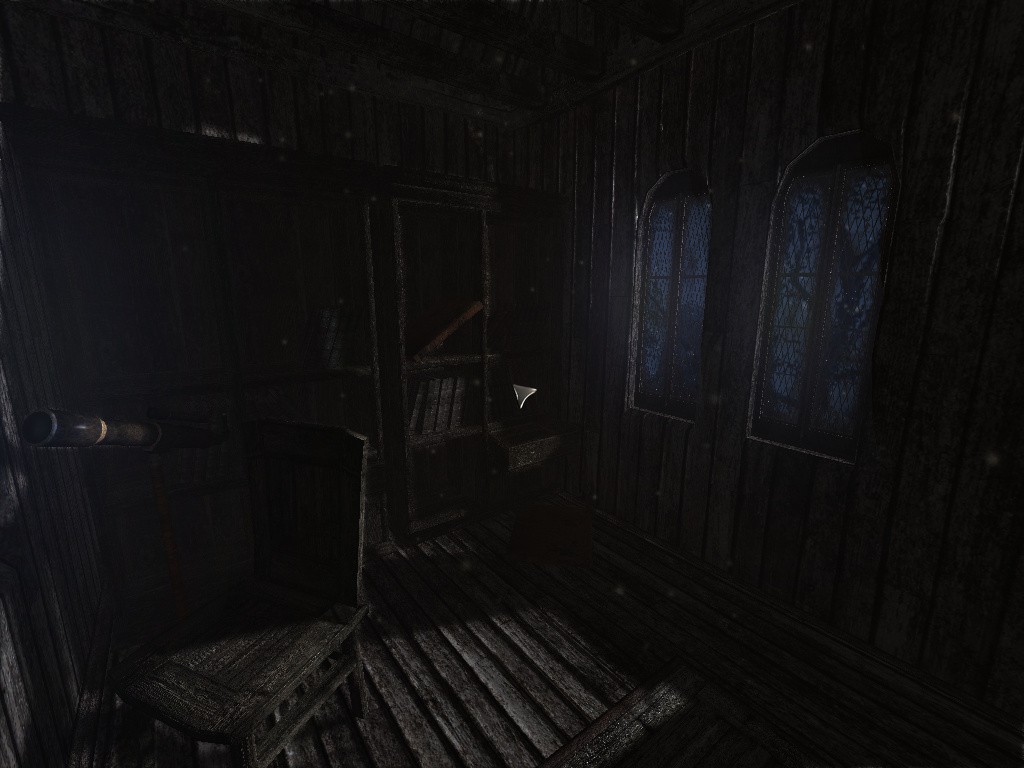
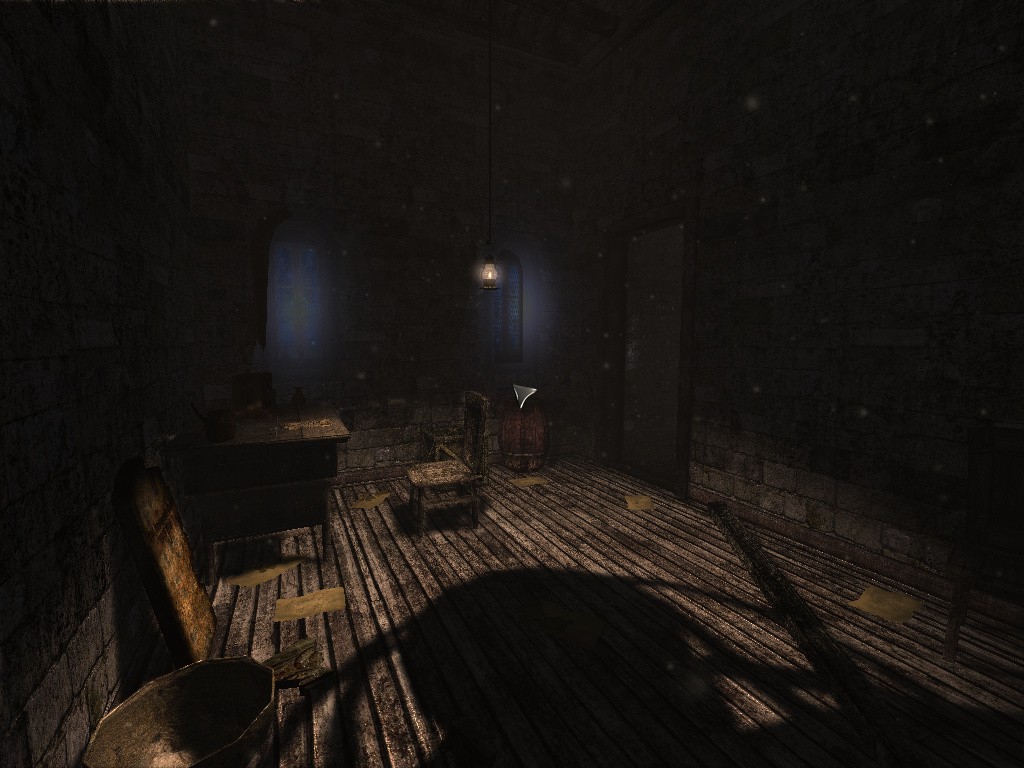
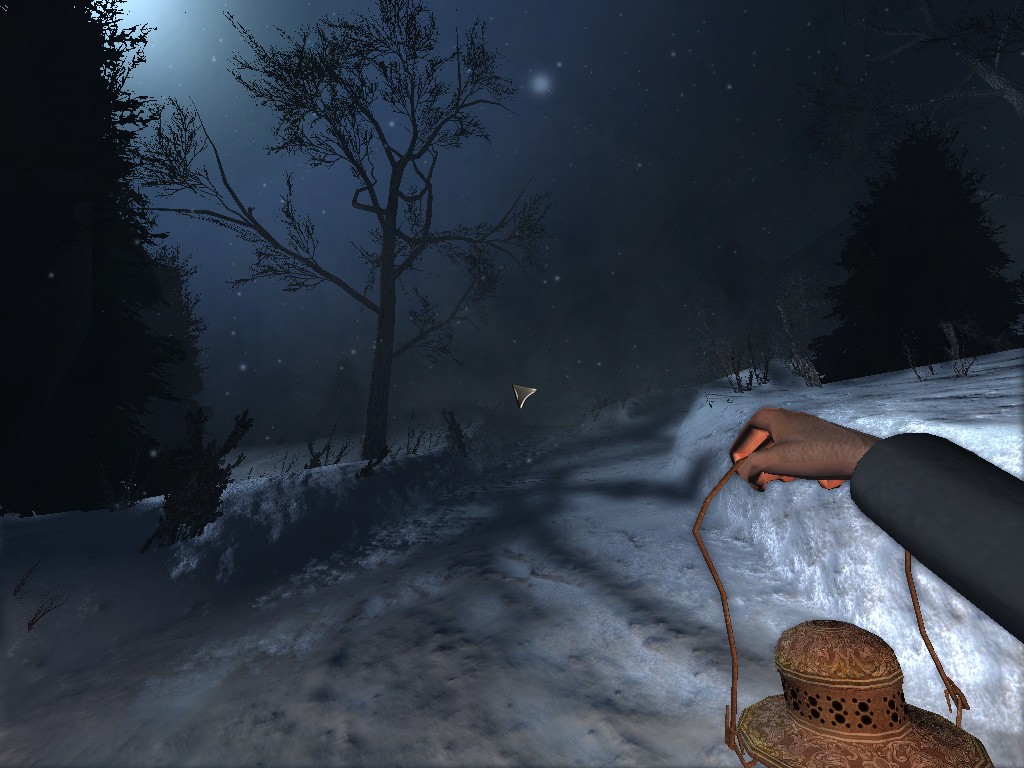
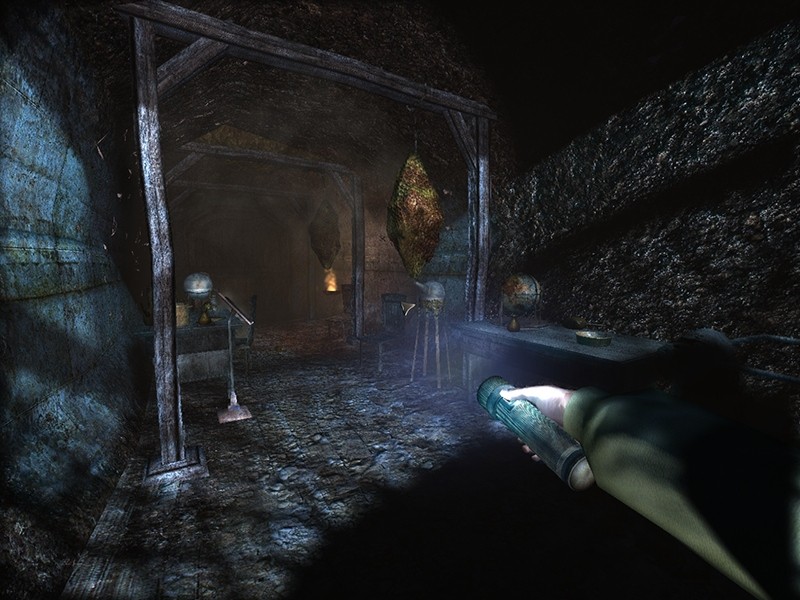
Onur: Firstly, we made that decision to increase the realism factor, which is directly connected to a scary atmosphere. 3D cutscenes and detail can really change the player’s experience and make it more intense.
Also, freely roaming in the game world creates more interaction styles compared to traditional point & click adventure games. For instance, you’ll need to crouch or stand in a different position to notice a detail on the floor. A full 3D style also helped us to improve and develop other aspects of the game. We could spare more time to implement different things which we couldn’t in the first game.
AG: Are you concerned at all that you’ll alienate those who liked the control style of the first game? What would you say to them to convince them the change is worth their while?
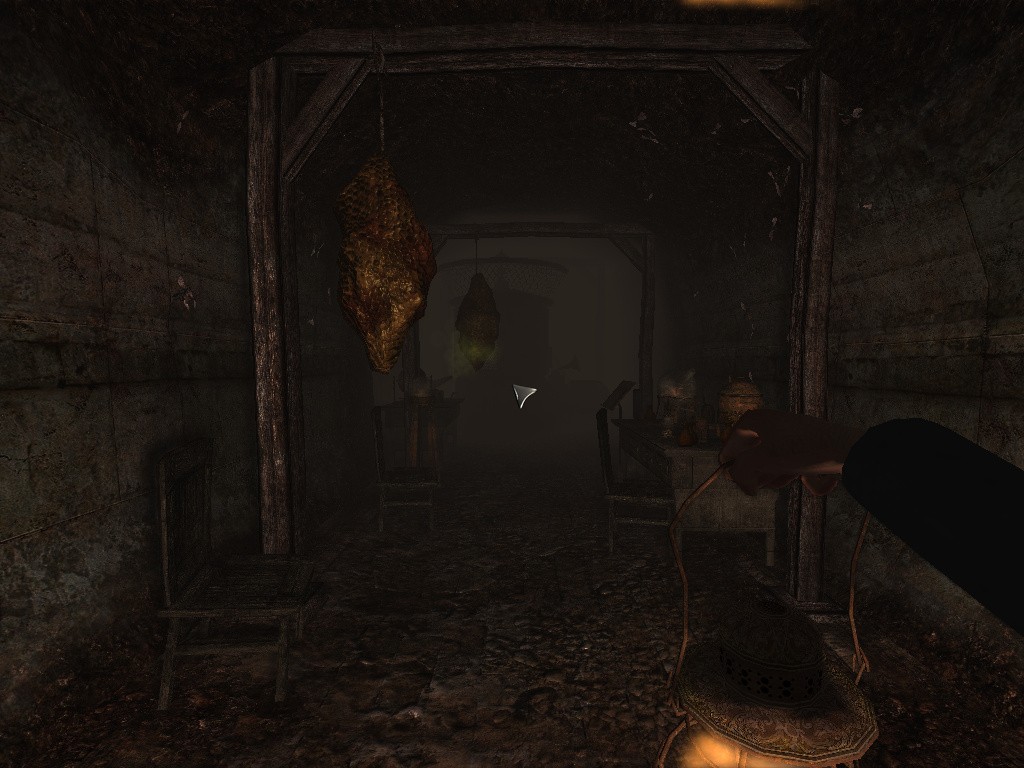
Onur: We already know this was a radical step and can change the face of the game seriously. But I think it was necessary to take the game one step forward. There weren’t really a lot of options with a panoramic engine, gameplay-wise. And we tried not to implement too many things from other game genres like first-person shooters.
So I believe Dark Lineage is still pretty much a point & click adventure, which means no action is included and the player’s dexterity is not tested. Players who try the new WASD controlling system will understand that it’s just a new way to adjust your view along with the mouse. You won’t need outstanding keyboard and mouse reflexes; nothing will attack you or force you to do anything. Just enjoy freely roaming in the game’s dark world.
AG: Has the new control scheme changed your approach to gameplay design at all, or is it mainly just a cosmetic difference?
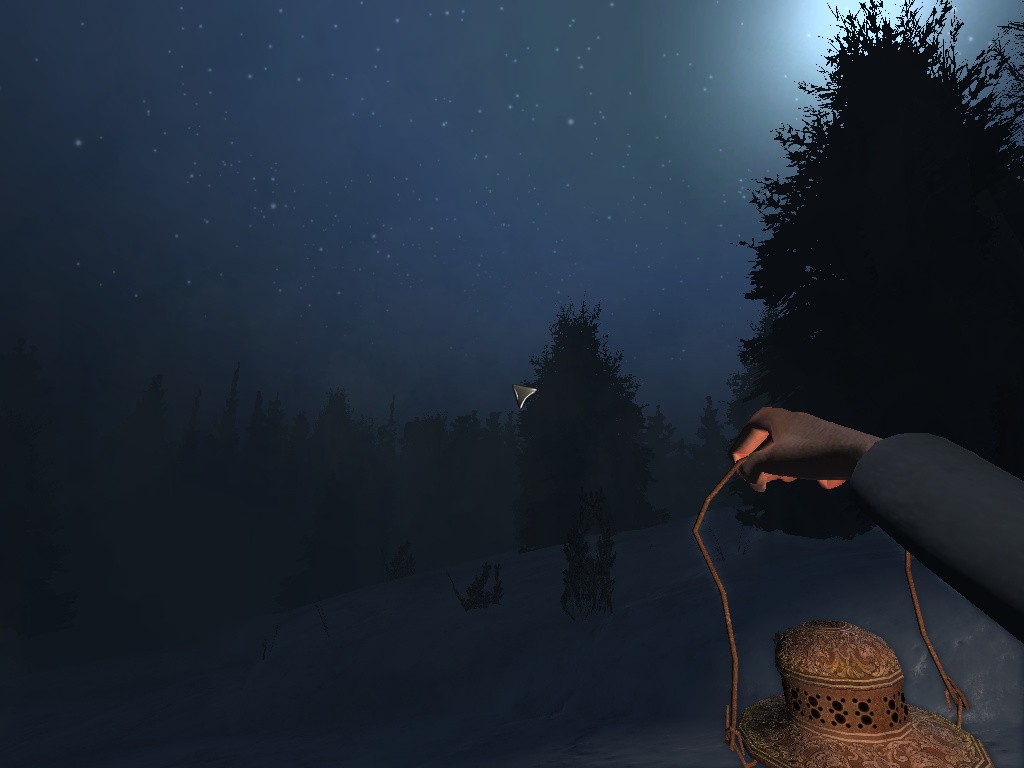
Onur: The new control scheme added new features to the gameplay design like carrying, pulling and pushing objects to open up your way and reach other objects. But none of these new features should worry any adventure gamers, since they’re implemented in a simple way which is far from being frustrating.
AG: What other changes can returning players expect to see in the sequel?
Onur: The use of clues differs from the first game. In that game, clues and clue-combining were a required part of the puzzles and progressing in the game. In The Dark Lineage, they are just for explaining the story and giving out secrets. There are a few situations where clue finding is a must to progress, but this is only for the Senior Detective (Hardest) difficulty level.
AG: Are most of these improvements in response to player or critical feedback, or do you view it more as a natural evolution of the series as you grow as developers?
Onur: Improvements are both based on player feedback and our own evolution as developers. But I can say feedback is the heavier scale.
AG: What kinds of lessons would you say you learned from releasing the first game? Anything particularly surprising or unexpected, better or worse?
Onur: We learned much about the development process for sure. Also we learned we should get bigger as a team to make better games. There wasn’t anything else too surprising or unexpected. It’s all about completing a task on time. Time management is the biggest challenge.
Latest Gaming Articles
All Articles