



Simon the Sorcerer 4 hands-on

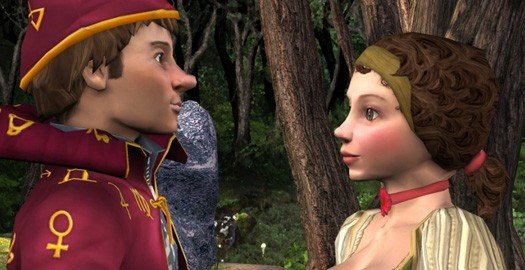
While vital dialogue clues aren’t repeated, fortunately all key information is captured in a handy journal. Taking its cue from RPGs, the journal highlights “quests” that are still incomplete. Often Simon’s challenges include multi-level obstacles, so at any given time you may have several tasks facing you. In such cases, the journal can be a helpful reference, as it sometimes includes additional direction not provided by the game itself. Better yet, the tougher quests have a three-stage hint system built right into it, nudging you closer to the solution without ever blatantly spoiling anything. Mind you, you often won’t need such hints, as Simon periodically narrates the next course of action in no uncertain detail.
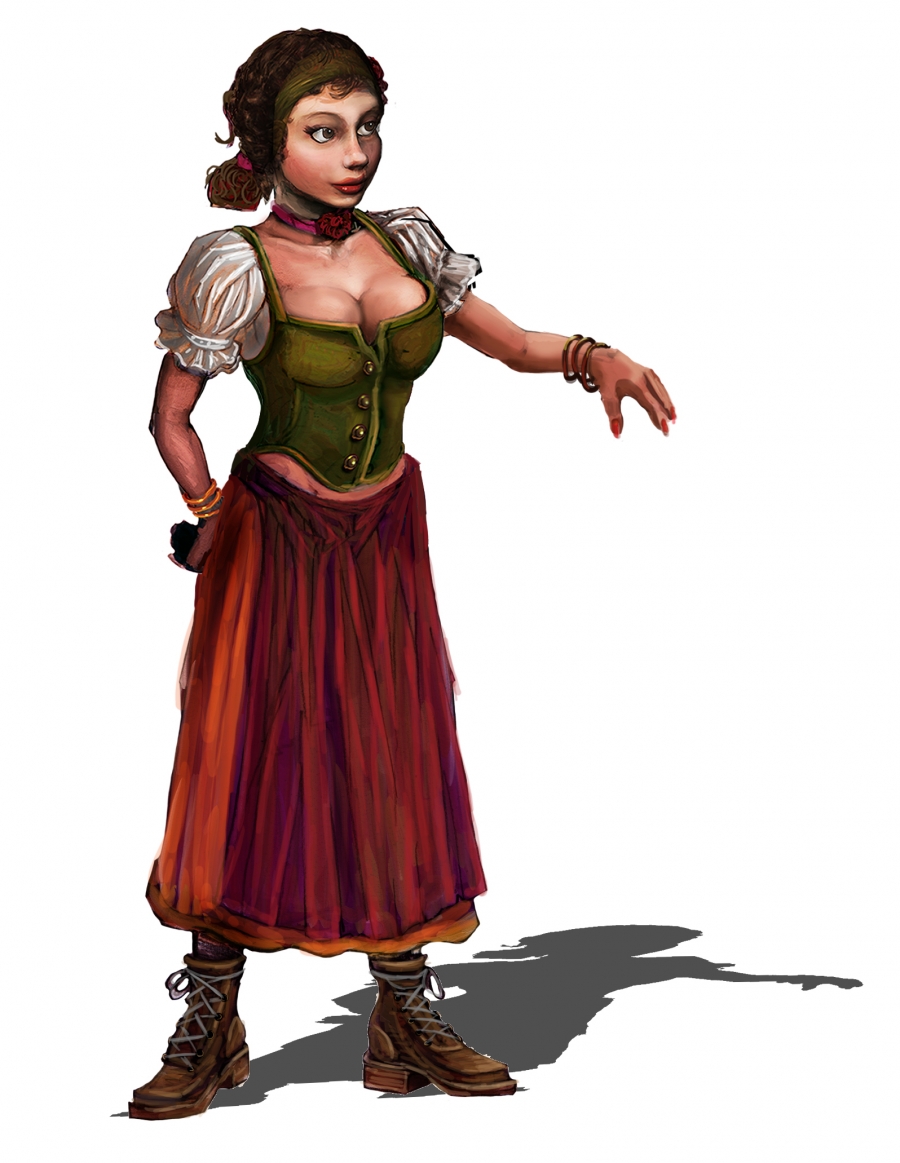
One user-friendly feature that’s missing is the increasingly popular hotspot highlighter, but fortunately you shouldn’t need it. You do need to look sharp on a few occasions, but for the most part all items are quite visible despite the rich graphical detail. And since there are plenty of non-essential items to click on for amusing observations anyway, being thorough is part of the experience, not a chore. You’ll also pick up a ton of useable objects, of course. Although there are a few dialogue “puzzles” and a series of riddles, the vast majority of Simon’s puzzles are inventory-based, and while items are automatically disposed of after use, you’ll still end up with as many as three levels of scrolling inventory in your travels. Some of the puzzle solutions require pretty absurd combinations, but this is par for the course for Simon the Sorcerer. This is the Magic Kingdom, after all, so leave your real-world logic at home.
Well into your journey, you’ll have the opportunity to control a second playable character, requiring the two to work together as you switch freely back and forth. The game makes nice use of this additional mechanic, so much so that you’ll probably wish it had been introduced sooner. There are a few less favourable gameplay inconsistencies, however. At times Simon will refuse to pick up an item or perform an action until the hidden game triggers determine he should. That’s understandable, but considering all the other seemingly useless junk you’re lugging around and nonsensical deeds you’ve done, these exceptions leap out as rather arbitrary obstacles. Nevertheless, there’s plenty to keep you busy in Chaos Happens, and although the puzzles generally steer to the easy side, you’ll never be bored from lack of activity. And for those still traumatized by Simon 3D’s brutal action challenges, rest assured there’s nothing but pure point-and-click adventuring this time around.
If Chaos Happens is old school in its controls, it does have a few nice interface touches that are less than conventional. The map, for example, which lets you click locations for instant travel, may be a common feature in adventures, but in this game the map is “live”. A little Simon will physically run across the map to your location of choice, unless you bypass it with a double click. And admittedly, you soon will, but it’s a fun diversion at first. Another nice feature is the in-game movement speed. Most games have a click for walk, double-click for run option, but here Simon will automatically walk to points clicked near to him and run to points clicked farther away. It’s totally intuitive, and it’s a wonder more games don’t do it that way. Of course, you can always double-click on exits to speed things along further, but players are advised to check the edges of visible screens, as some locations scroll more than others.
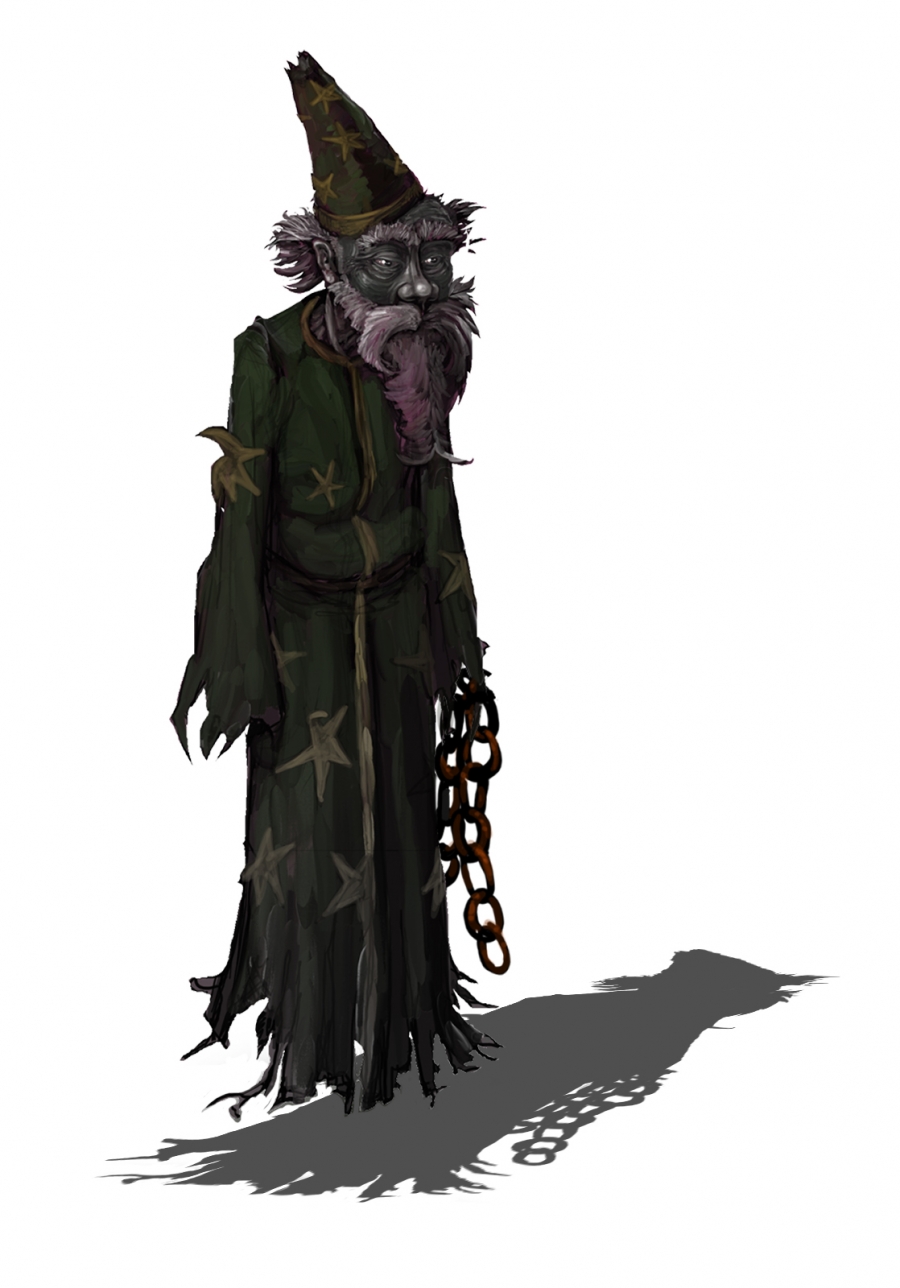
Another unusual aspect of Simon 4 is its frequent use of different camera angles. While most third-person adventures keep their viewing perspective on the same general level, Chaos Happens continually changes angles and distances, including a periodic straight overhead view. It’s neither a good nor bad thing, really, but it adds some visual variety almost without players noticing why. The game’s pleasant instrumental music is far more traditional, though at times it sounds more “Riverdance” than Simon the Sorcerer.
All in all, I can safely say that my time with Simon the Sorcerer: Chaos Happens was quite enjoyable. There are some notable blemishes, to be sure, but it’s a lengthy, entertaining adventure that deserves to reach a wider English audience, especially now that a fifth Simon game is now in production. If there’s an inevitable complaint, it’s that the game isn’t up to the standards of the original (two) Simon games, its wit not as sharp and its story a bit less connected to its predecessors than series fans might like. The voices will be the real sticking point, however, and while it would be an ambitious undertaking for a game already struggling to reach market, overhauling voiceovers isn’t unprecedented, and it’s an option that Playlogic and potential partners would be well advised to consider. For good measure, the script could benefit from a bit more polish before new dialogue is recorded, cleaning up those lines that lost a little something in translation. There’s much to like about the game in any case, but what’s an extra wish or two when we’re already hoping for a little publishing magic?
Latest Gaming Articles
All Articles