



Perception

All this is surely very inspirational. Nevertheless, for allegories to be functional they also have to make sense at face value. This is where Perception comes up short, both in the story and its inconsistent characters. Early on, Cassie reveals that she hates fire. But later the game has her light up a fire inside the house without even commenting on what a struggle it must be because of her phobia. She just accepts it – no big deal. Moreover, Cassie talks often with her boyfriend, Serge, via her cell phone. Usually he sounds anxious to reach her, since he is afraid of her being alone in that mansion. At one point, though, he tells her to get out, but when she answers that the house will not physically let her go, his reaction can be described as almost indifferent. This contradicts his previous behavior and most importantly the general atmosphere the game tries to create. If a character hears something terrifying and they just treat it as business as usual, how can we feel the terror a horror game should instill?
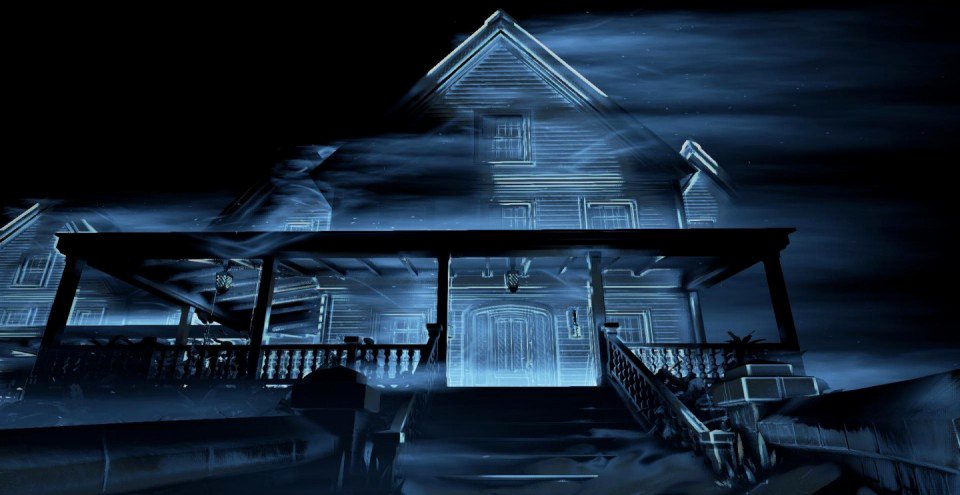
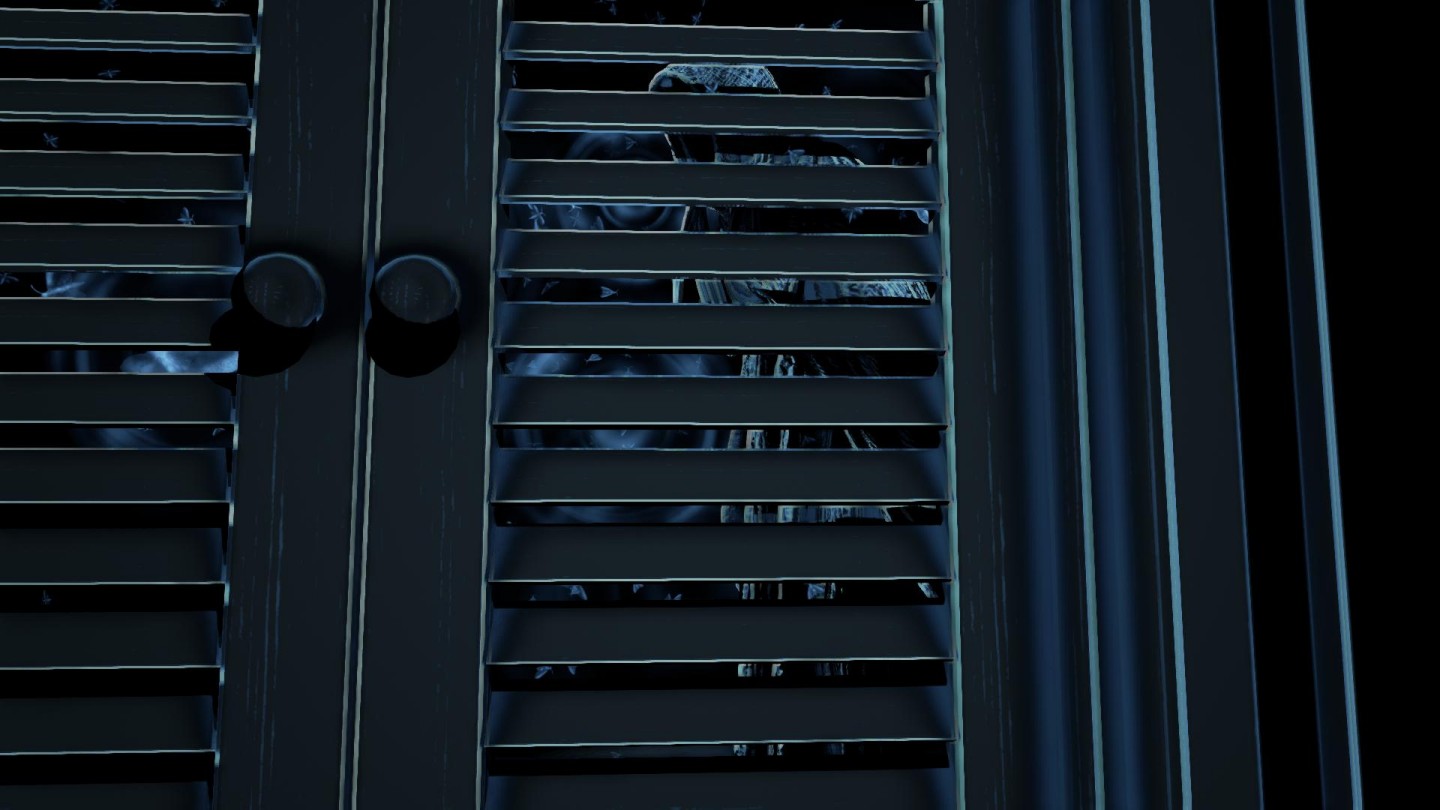
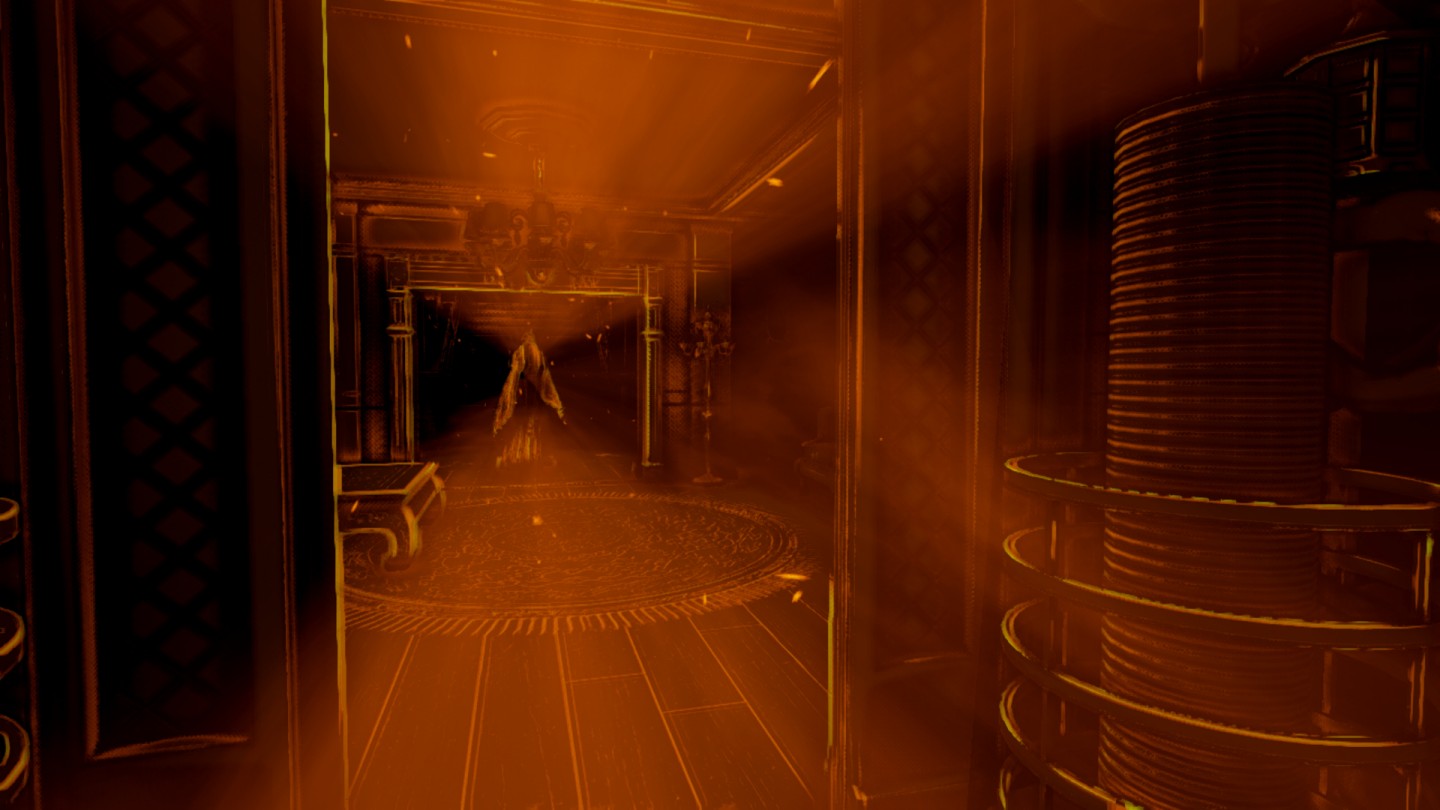
This is a shame, because the graphic design and audio effects meticulously fit the eerie setting of a haunted mansion perceived by a blind person. The palette for the 3D photorealistic graphics is based on black, dark blue and grey hues that successfully infuse the whole game with a claustrophobic essence that matches the intended experience. Especially the outdoor scenes are beautifully designed, since the howling wind gives off creepy sounds as well as a daunting ambience due to echolocation. As should be expected, sound effects are very prominent, particularly the tapping of Cassie’s cane.
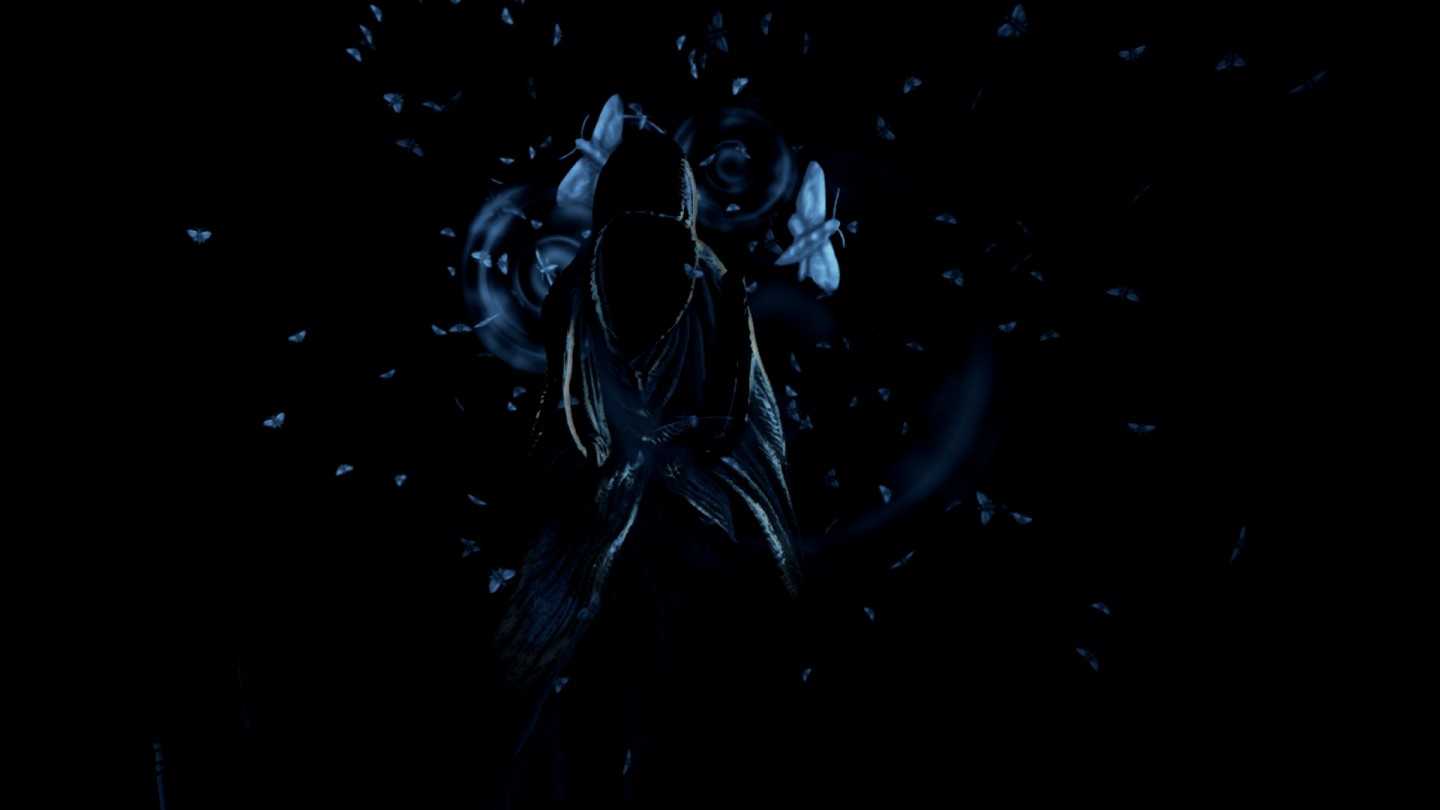
Yet the aesthetics cannot overcome the clumsiness of a plot full of holes. To make matters worse, the actual horror value consists of nothing more than jump scares, while the gameplay is equally shallow. The puzzles pose no challenge; they are below beginner level and totally unmemorable. Basically, you just have to find an item somewhere and carry it to the place where you need to use it. Once again, it is the orientation that creates the difficulty and not the actual action, especially since you do not control an inventory. Whenever you are in the right spot, the game notifies you that you can use the item you are currently carrying – or your phone in most cases – by showing which button to press. Sometimes you come across locked doors that require a code to be opened, but since the code is revealed to you soon thereafter, the challenge is again minimal. The positive aspect is that these simple obstacles are all essential parts of the narrative, so you never feel like you are straying from your goal.
On the other hand, what I personally found extremely irritating is that you can die on two separate occasions, one of which involves being shot at with real bullets. I know that not all people see this as a disadvantage in adventure games, but Perception does not allow you to save wherever you want, so the most vexatious part is that once you die you may have to repeat quite a large part of the game again and again, which makes the experience tedious and cumbersome. Indeed, you respawn even before the last automatic save, so basically it is more practical to quit and load the game again in such cases. Making matters worse, at least for me, is that I experienced various glitches and crashes that required restarts.
On the bright side, the game has incorporated some clever tools. The most useful is the sixth sense button, which facilitates Cassie’s orientation toward the next goal. This is extremely helpful since finding your way around is the most difficult job you have and at the same time the most annoying. The other two tools are smartphone applications. One is called ‘Delphi’, which reads aloud scanned documents, mostly letters and diary entries that Cassie discovers at various stages. The other is the ‘Friendly Eyes App’ for when Cassie takes a picture of something and uploads it to the server. Any user online can see the photo and call her to describe what is displayed in the image. Nick is the name of the person whose friendly eyes Cassie borrows, but Nick suffers from a similar syndrome as Serge. One minute he is totally grossed out and freaked by a picture Cassie has just sent him, the very next he is cool and game again.
To sum it all up, Perception incorporates important themes that should be addressed more by the medium, yet it does not succeed at being an enjoyable and effective experience. The game suffers from plot holes, lack of immersion in its horror setting, confusing gameplay, and repetitive and tedious in-game actions. The only real challenge is orienting yourself in a dark environment, and since there are no real consequences for making noise, having a blind protagonist just ends up being frustrating rather than thought-provoking. I strongly believe that more games should include characters that defy medium-conventional body types and abilities, so I applaud the developers for their decision, but this is not an excuse for inferior game design and clumsy execution. The architecture and soundscape are richly atmospheric and in tune with the spooky and mysterious premise, but even these cannot fully atone for empty content. Notwithstanding its more complex approach to player navigation, then, Perception ultimately results in a rather mediocre horror adventure.
Latest Gaming Articles
All Articles