


Gone Home preview

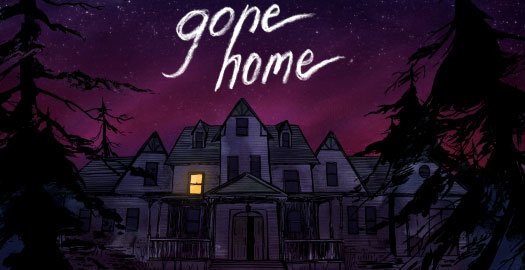
In the portion I played, this convention really paid off. Each time I uncovered one of Sam’s audio diaries I had a sense of accomplishment that rivaled any satisfaction I would have felt upon solving a puzzle. And that’s a good thing, because Gone Home is essentially devoid of puzzles. You’ll open doors and drawers to see what’s inside, pick up letters and read them, rotate items to look for notes written on the back, and even stash certain items away in your backpack, but you’ll never use-something-on-something in the conventional, adventure gamey sense. “I hope that Gone Home is the kind of game that point-and-click adventure gamers will be interested in, because it doesn’t have a lot of stuff that is traditionally associated with point-and-clicks. It doesn’t have any puzzles. There are locked doors and you can find the key for them, but our core [gameplay is] exploration. What do you do in this game? You explore. You don’t open a door by solving a puzzle, you open it by exploring enough to find a key,” Gaynor explained. “The thing I think is somewhat unique about Gone Home, compared to a game that’s about solving the puzzles and also has this [story] stuff on the side, is that the only thing to do in Gone Home is discover the story. And so, if you’re playing the game at all, that’s why you’re playing it.”
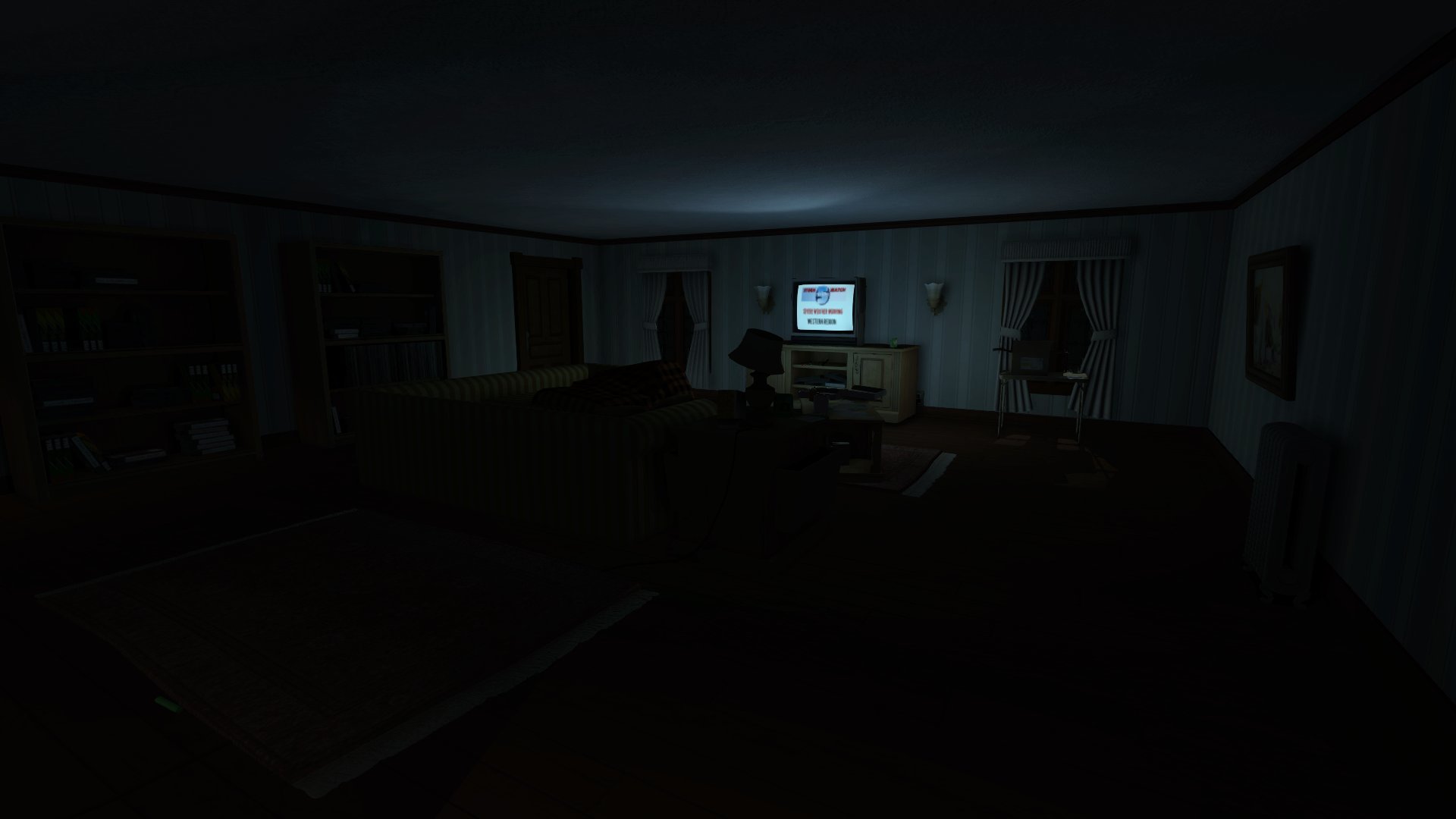
Acknowledging Gone Home’s surface similarity to other explore-the-spooky-house games like The 7th Guest, Gaynor added, “That was part of the reason that we explicitly didn’t want any puzzles, or combat for that matter. [If you add puzzles], now you’re in a place that isn’t like a place you’ve been before. [It’s still a house], but there are all these wacky puzzles, so there has to be a crazy guy who put all these puzzles in this house. It’s no longer just that the family lived in the house and I want to find out about that, it’s like, ‘Who’s the crazy genius professor?’ So it’s kind of a two way street, if you [the designer] decide to place yourself in a genre that’s about puzzle solving, or an RPG or an FPS with combat, that affects what kind of setting and what kind of fiction you have access to as a creator. We feel really fortunate to have the ability to explore a very specific fictional context that not a lot of games have really been able to address correctly because of the constraints of genre that they bring with them to the creation of the game.”
The Greenbriar house has been carefully constructed and staged, with plenty of doors and drawers to open, rooms to pass through, and eventually secret passages and compartments to find. The objects in this world are believable, too—a tube of toothpaste and a box of bandages in the medicine cabinet, bills and receipts in a desk drawer. While some of these everyday items are insignificant, others trigger Sam’s audio diaries, so you’re rewarded for exploring carefully and thoroughly. During my time in the Greenbriar house I most enjoyed combing Sam’s bedroom, complete with the same vintage of music magazines, short story scribblings, empty cassette tape cases, and video game cheat codes that easily could have littered my own bedroom floor back in 1995. The game’s soundtrack promises to be authentic to the time period, too; The Fullbright Company recently announced that they have licensed music from two riot grrrl bands big in the ’90s Portland music scene, Bratmobile and Heavens to Betsy.
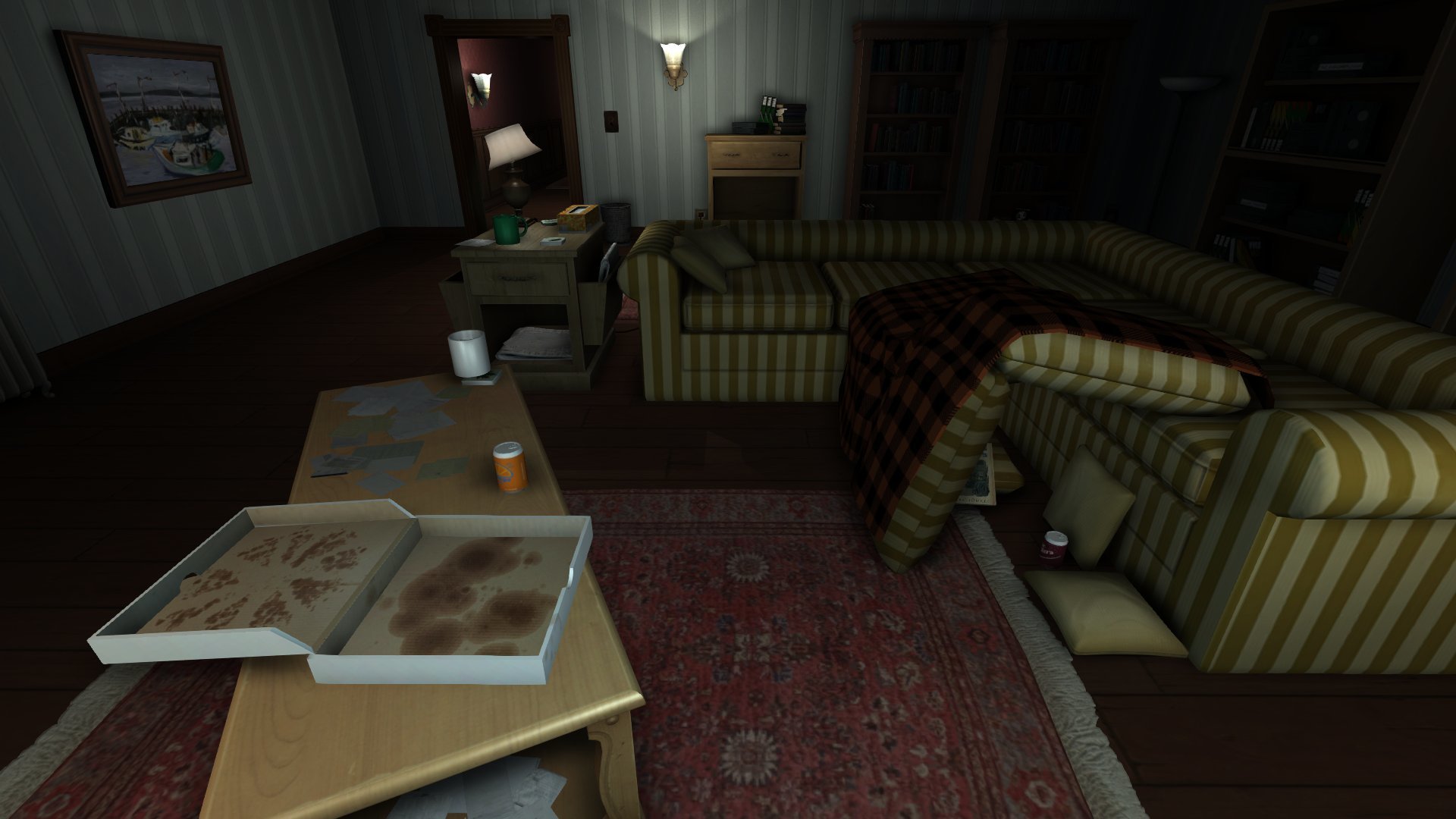
Some areas are inaccessible at first—a compromise the designers made between pacing the story and keeping the setting true to life. “In a very early build we had a lot more keys, the gating was much more granular,” Gaynor admitted. “You only go into the foyer first, everything’s locked except for one door. We opened it up a lot because it felt very gamey to have to find all these keys. Whose house would be like that?” In the portion I played, a locker in Sam’s bedroom could only be opened once I’d found two pieces of torn-up paper with the combination written on them, and the basement and attic were also off-limits. Some of the clues I found suggested that breaking into these rooms would be Gone Home’s ultimate goal, but even so, reliving Sam’s story along the way is the true objective.
Not surprising considering the developers’ FPS pedigree, Gone Home has free-roaming controls that support a gamepad, or keyboard and mouse. I tried both and though I preferred using a controller, I also found the keyboard and mouse controls relatively painless, particularly because there aren’t any fancy moves required. According to Gaynor, “We have a very simple game, relatively speaking; all you really do is walk around and click on things, or you can zoom in on things, and you can crouch. We might experiment with [control schemes] further, but we did our due diligence as far as we could do it, and we thought maybe this is a good game for people to learn FPS controls, because nobody’s shooting at you, there’s no reflex stuff, no quick turns or anything.”
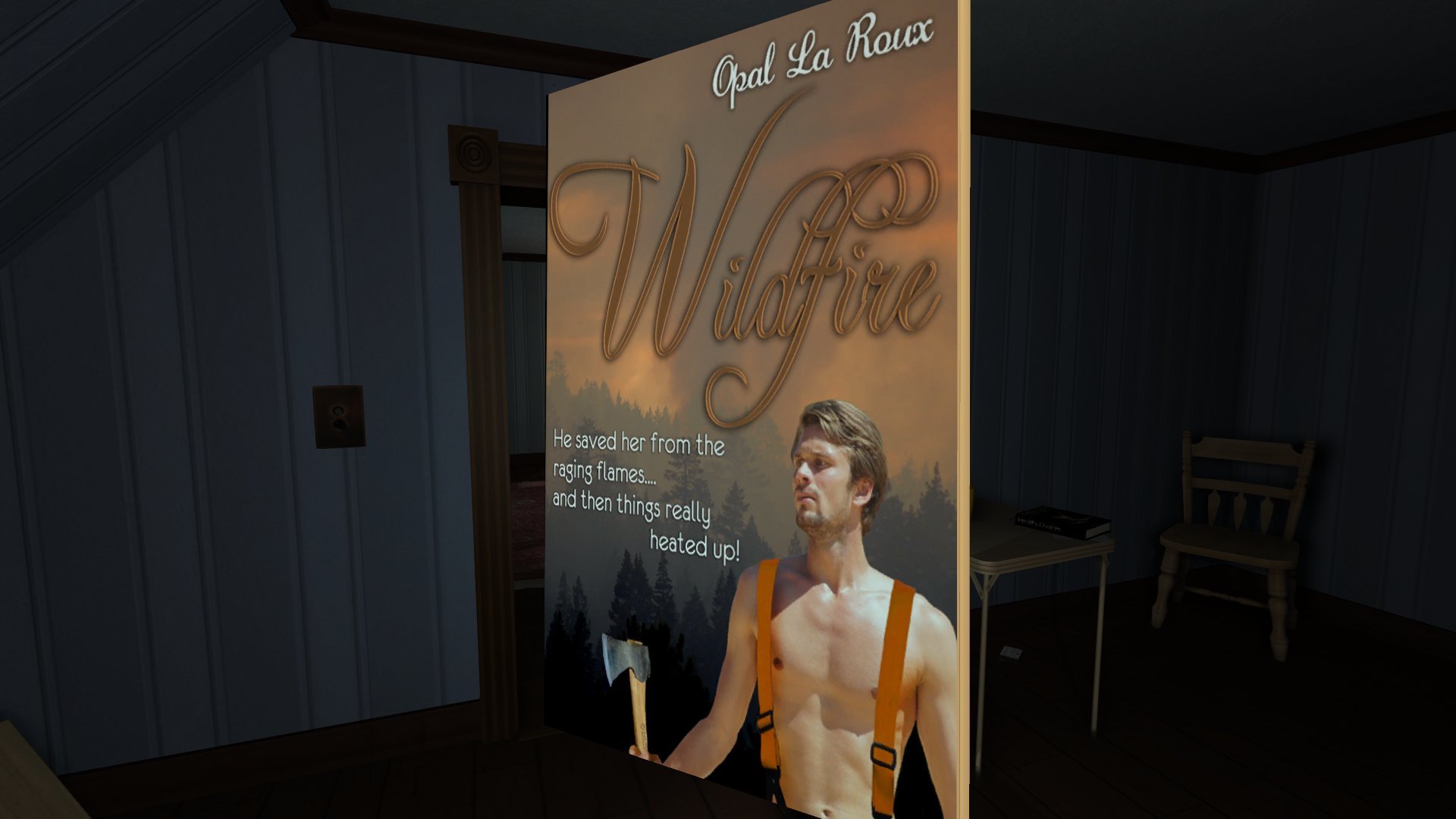
As far as game length goes, Gaynor expects Gone Home to be a 3-5 hour experience, depending on how meticulously the player chooses to explore. In my own playthrough, I kept poking around the house even after I’d found the information I knew would allow me to progress into a new area, in hopes of finding just one more clue and hearing Sam’s voice just one more time. The mystery is that gripping, and rather than rushing through to the end I was motivated to uncover every little detail I could about this girl who could have been me. I do think it’s a story that will resonate regardless of the player’s age, gender, or personal experience, but for those of us who were awkward teen girls in 1995, maybe Gone Home offers a little something extra. And in an industry that largely shies away from stories about the female experience, that’s a big deal. As a gamer, a lover of interactive narrative, and most of all as a former teenager who still remembers the ups and downs of the ’90s like it was last week, I can’t wait to find out how Sam’s story ends when Gone Home ships later this year.
Latest Gaming Articles
All Articles