



Gamescom 2014 round-up – Part 2


As my colleague Harald Bastiaanse said in the first part of our gamescom coverage, this year’s show was busier than ever. Having visited gamescom each year since its inception and watched it grow each year, I was prepared for that, having planned to only stray from the Business Halls into the publicly accessible Entertainment Halls on the Trade-Only Wednesday. Due to the decision of the fair organisers, however, a number of non-trade visitors were allowed in on Wednesday anyway, ensuring queues to see the more popular games even on this relatively quiet day (though nowhere near ‘150 minute’ waits as on the public days).
But even I wasn’t prepared for the number of adventure games (and a couple of ‘not-quite’ adventure games) we were shown, as there were certainly a lot more than last year. Some of them didn’t have a booth in the Business Halls, which made extra visits to the Entertainment Halls a necessity. While it’s a good thing more and more adventure games are shown to the public directly, it made a decent conversation with the developers and a proper demonstration of gameplay mechanics quite hard. Still, the variety of games we saw between the two of us should offer something to look forward to for people of every taste.
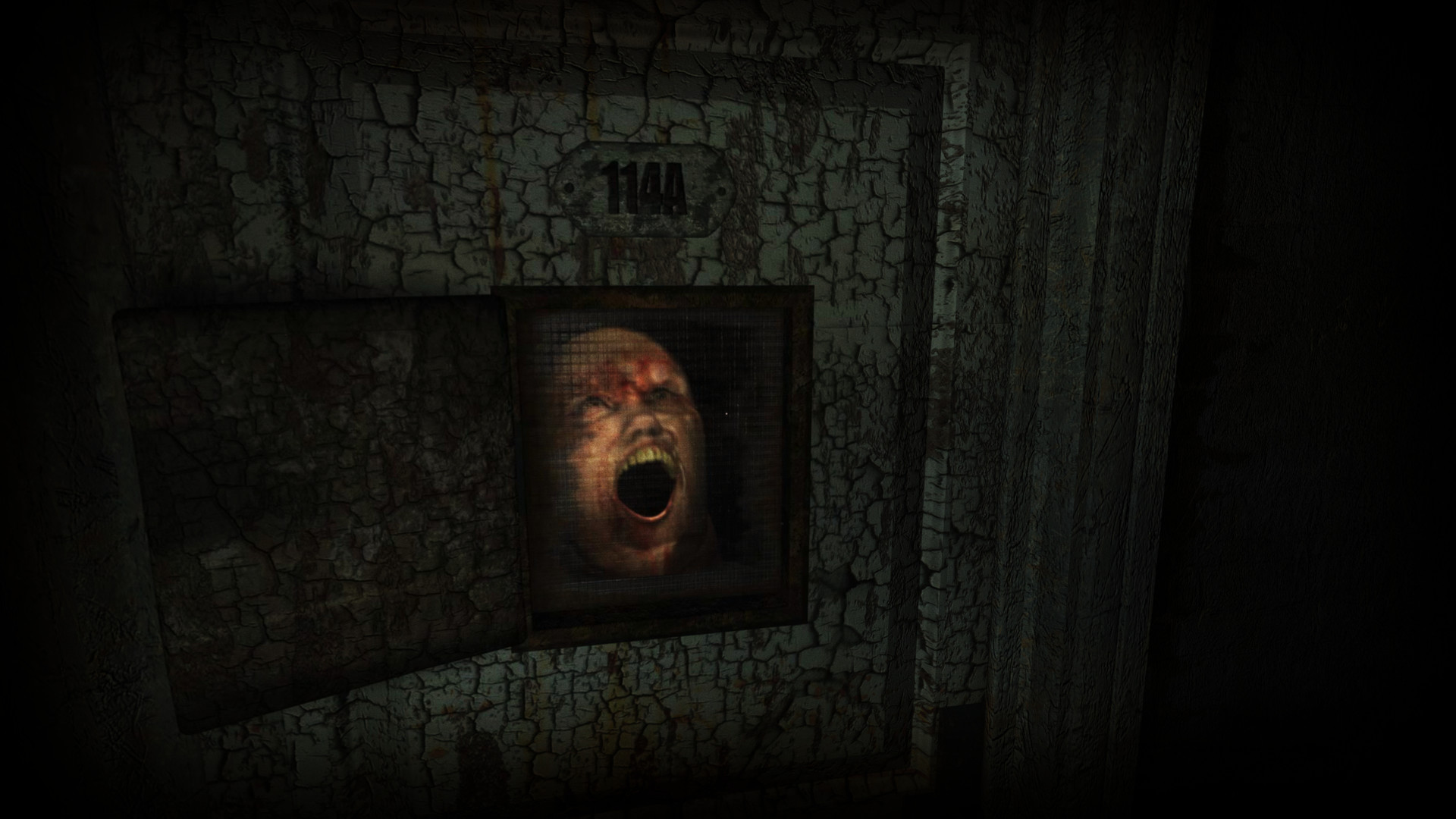
Asylum
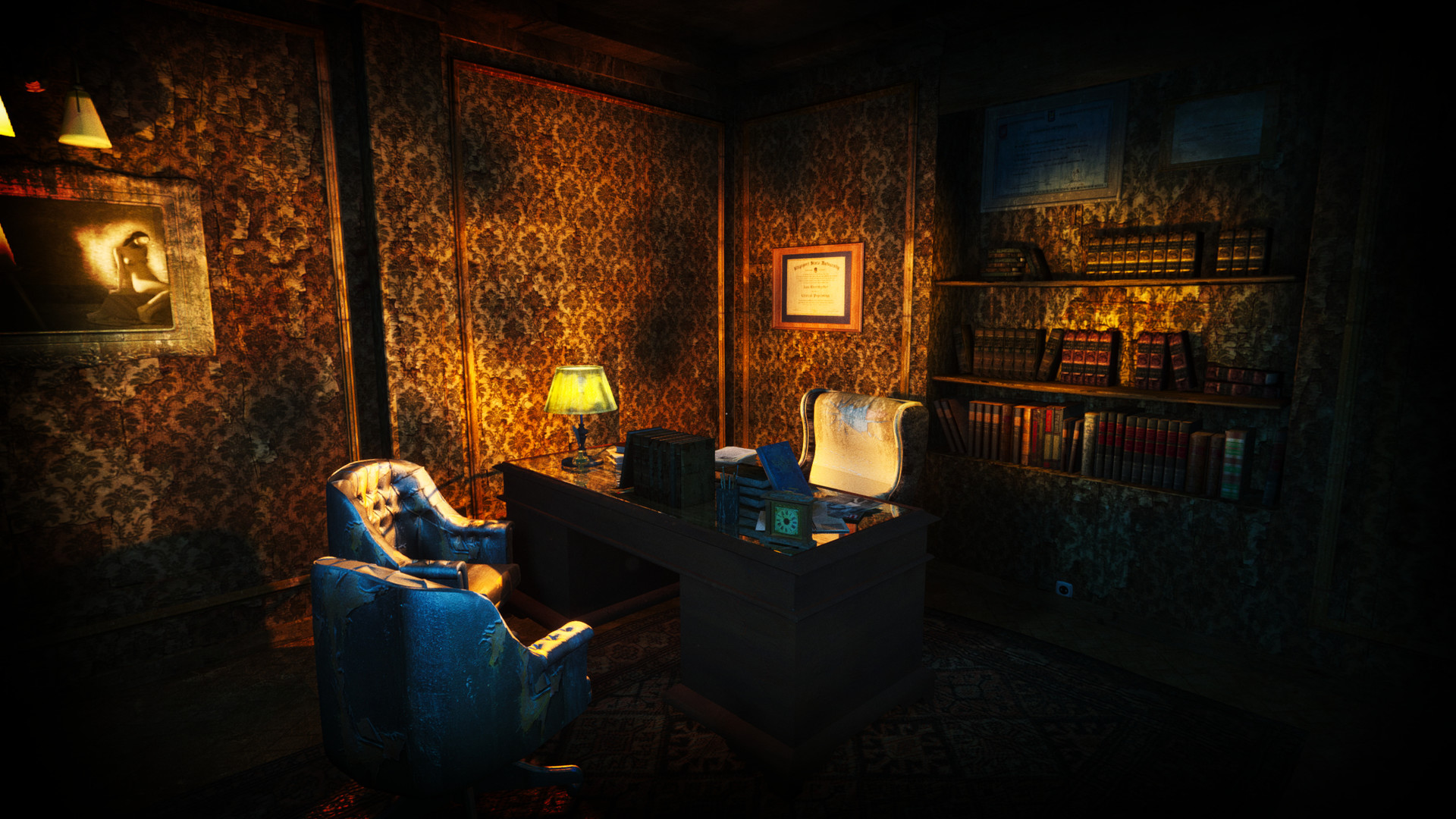
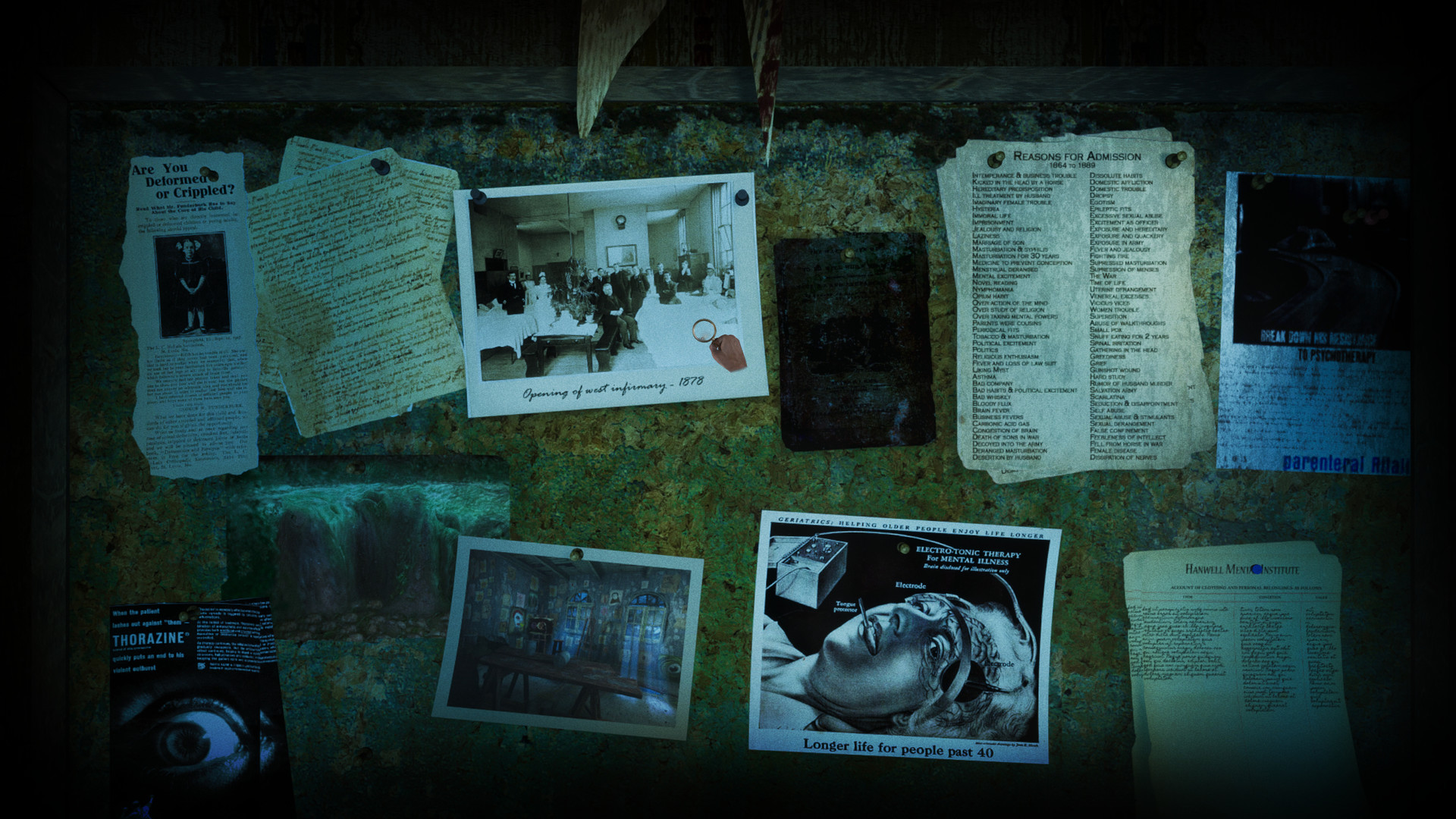
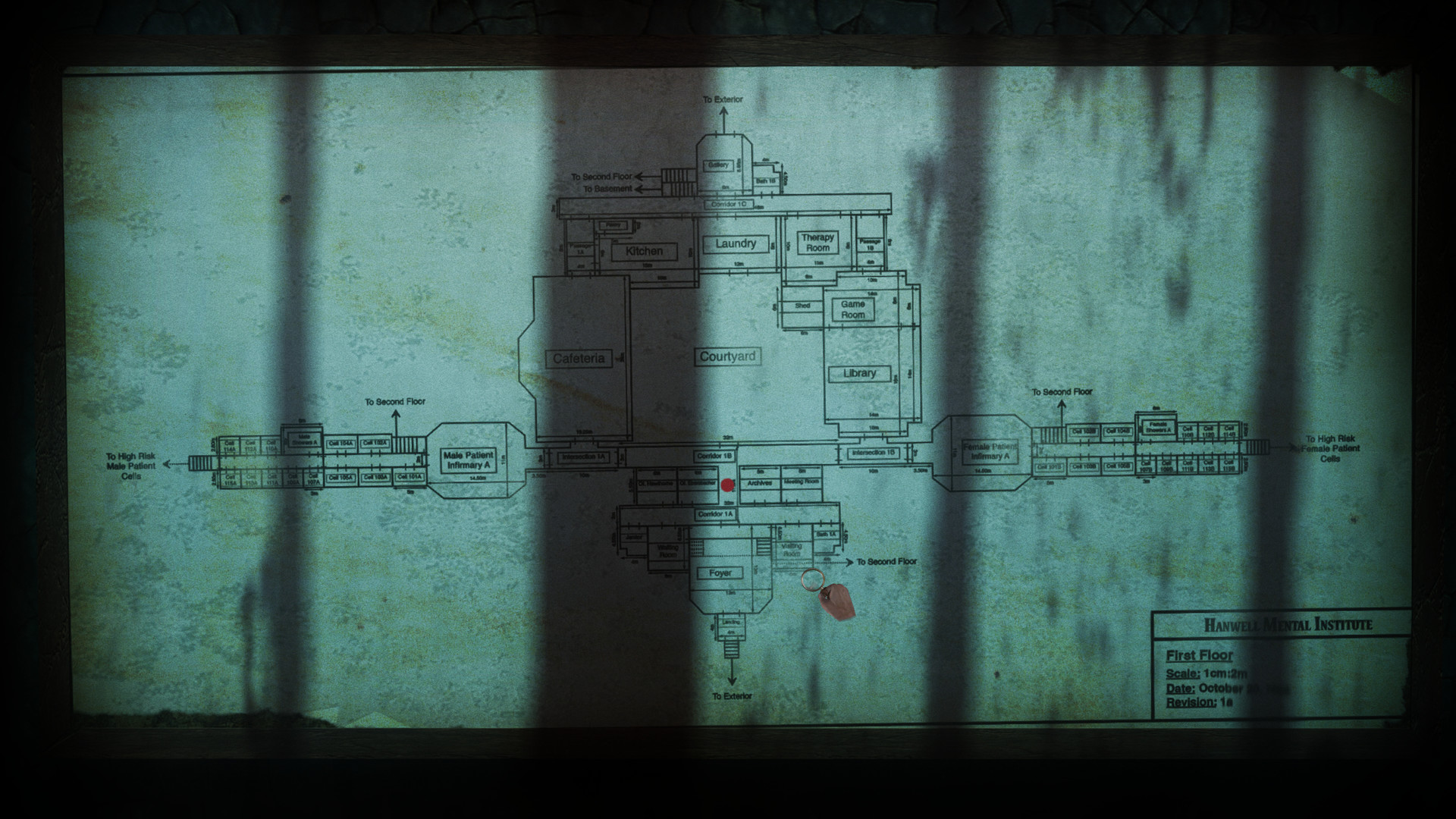
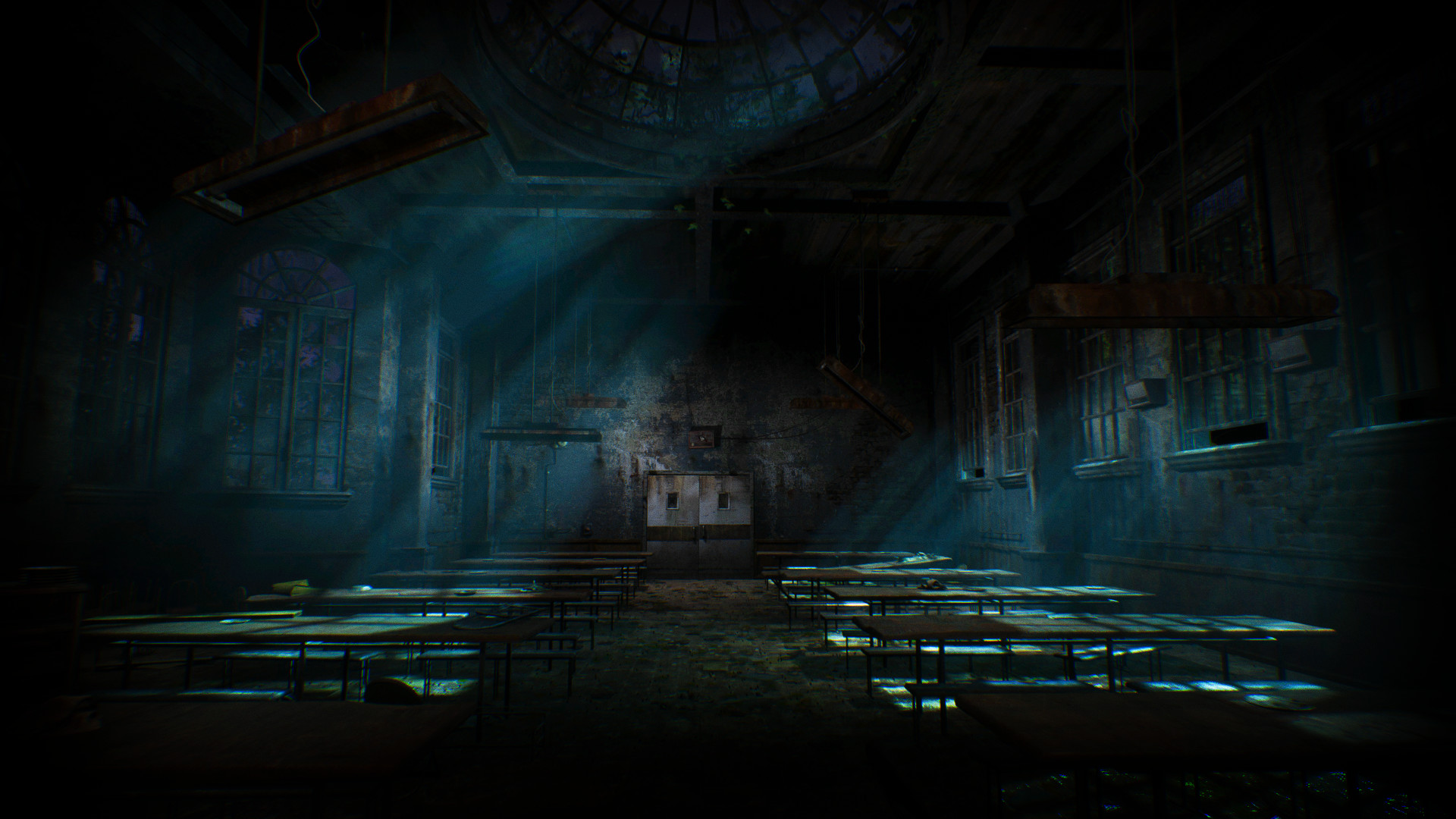
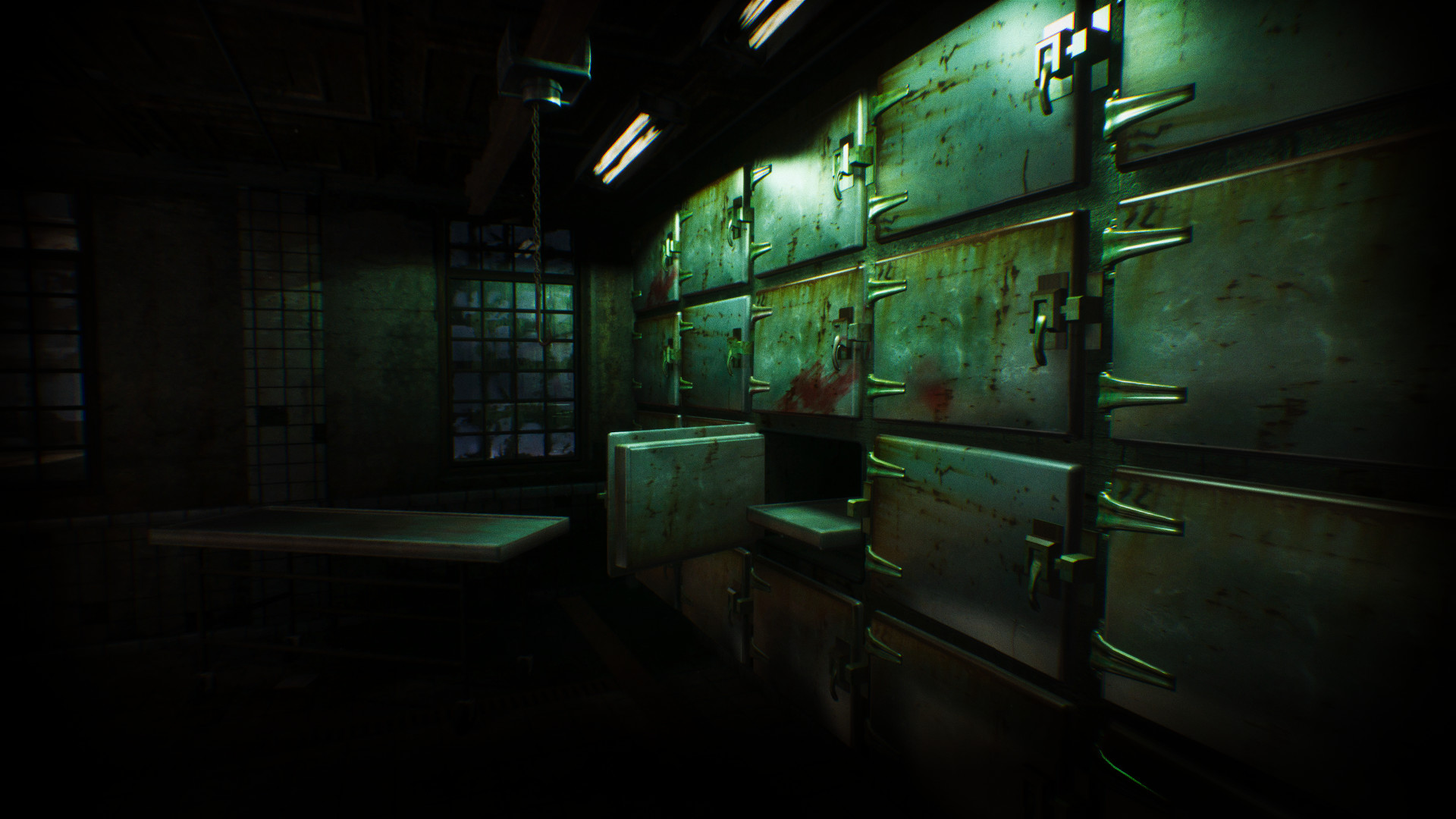
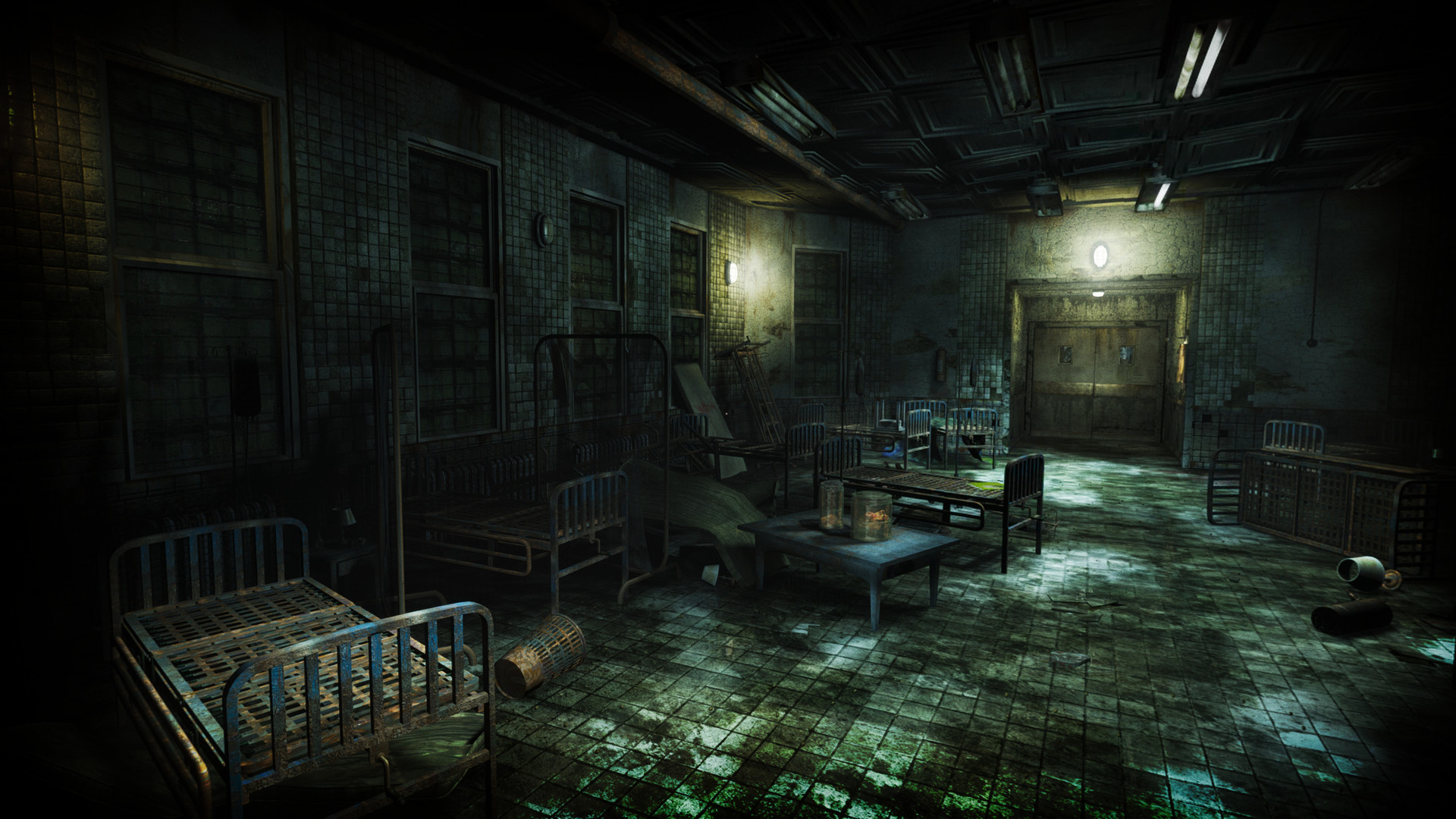
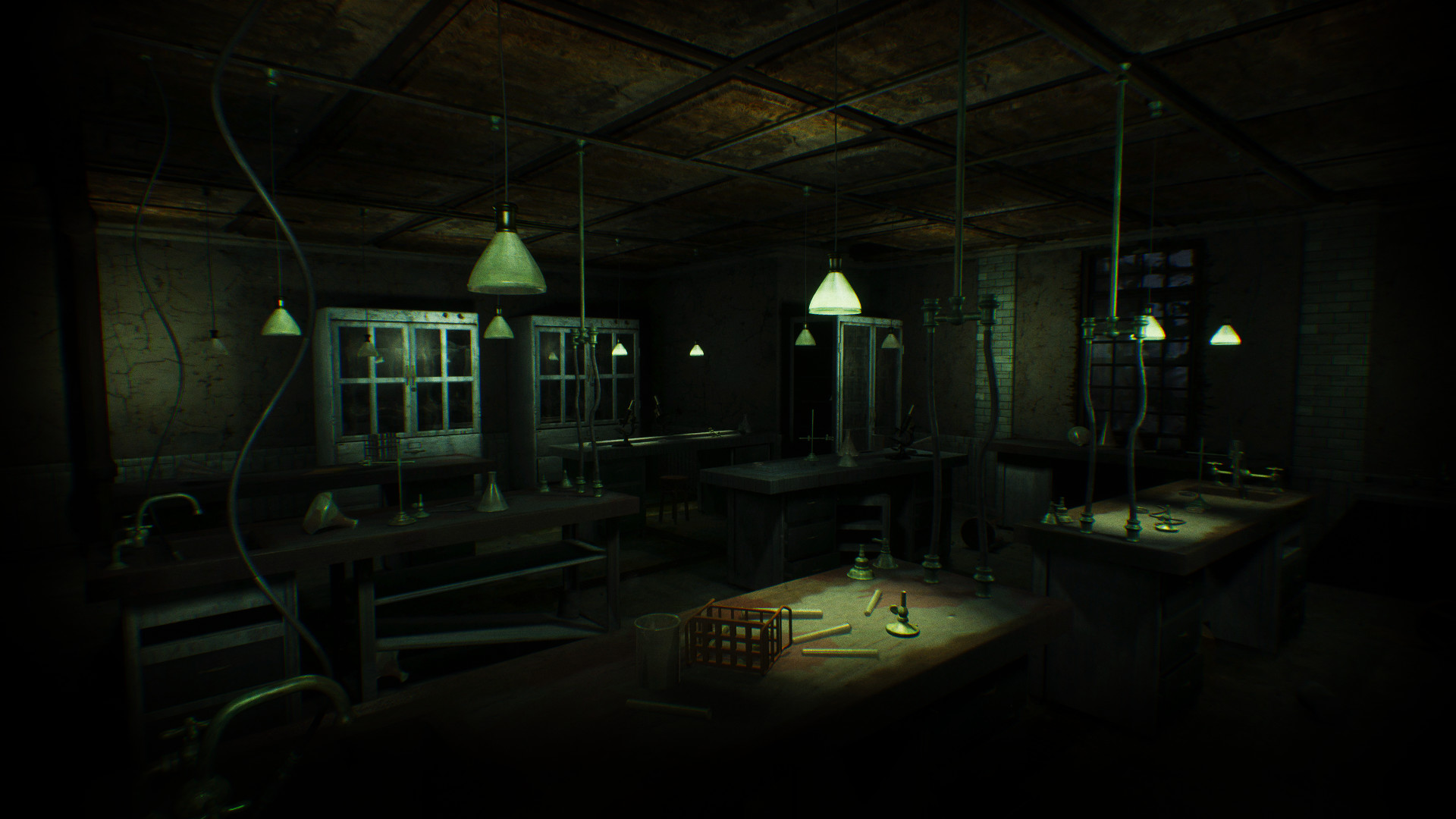
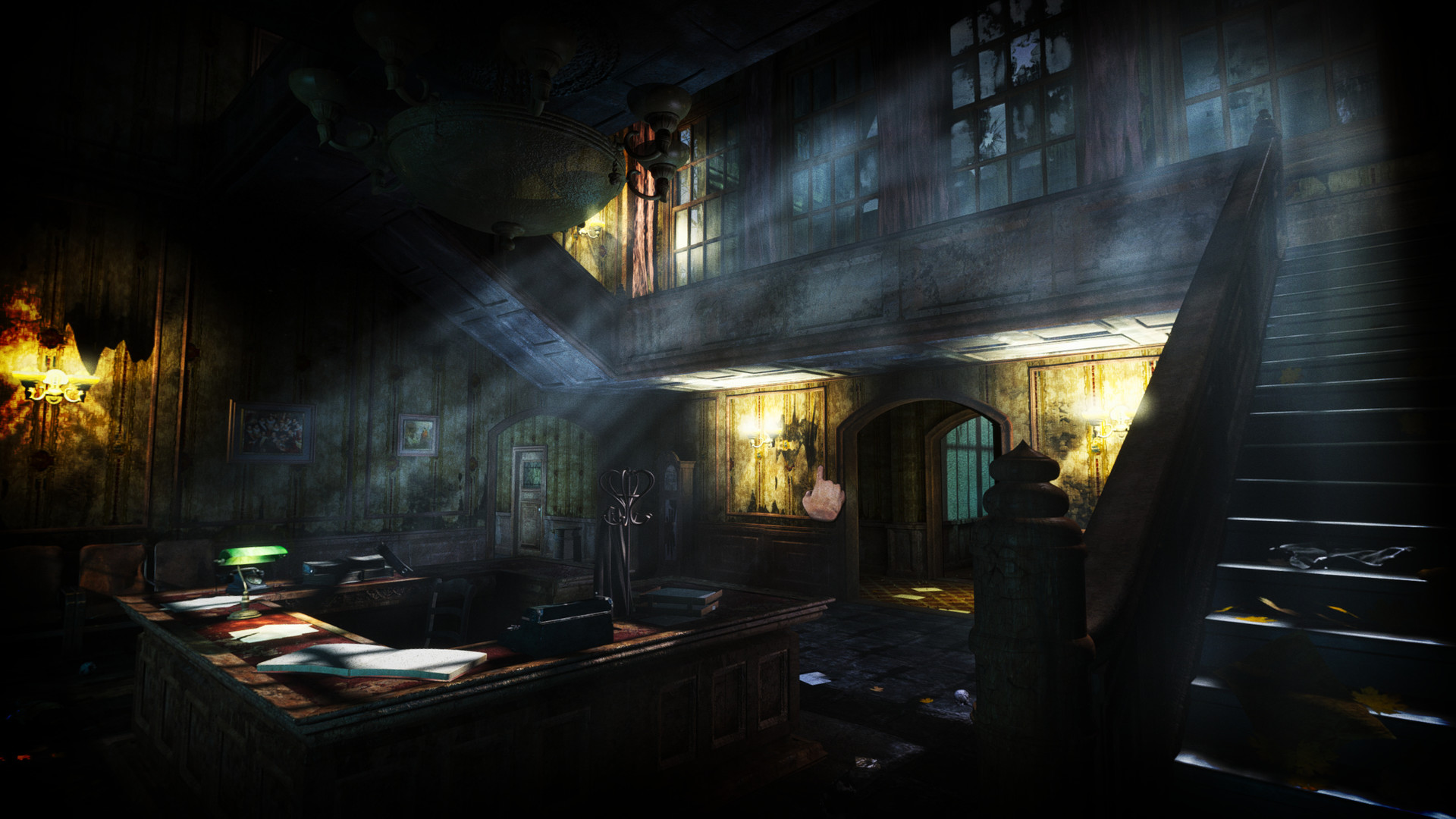
Agustín Cordes demonstrated the latest version of Senscape’s upcoming Kickstarter-financed horror adventure Asylum. The Argentine studio recently adapted their own engine, Dagon, to integrate with Unity to form a hybrid engine they’ve dubbed ‘Dagonity’. This means they can now render 3D objects (including people) in real time for more lifelike realism, and the engine has opened up tons of new possibilities for atmosphere-enhancing details like dust and fog that make the game feel far more alive.
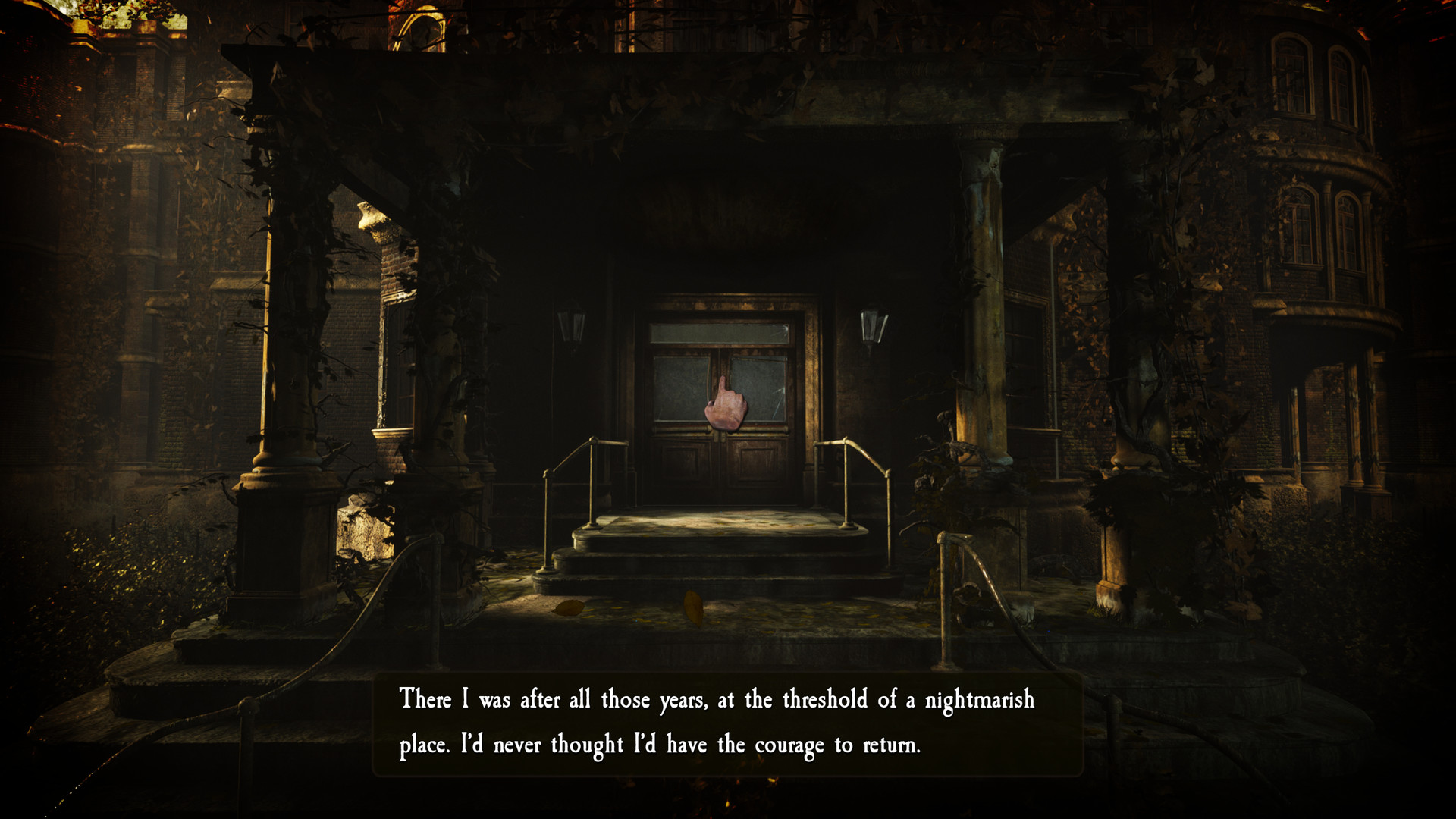
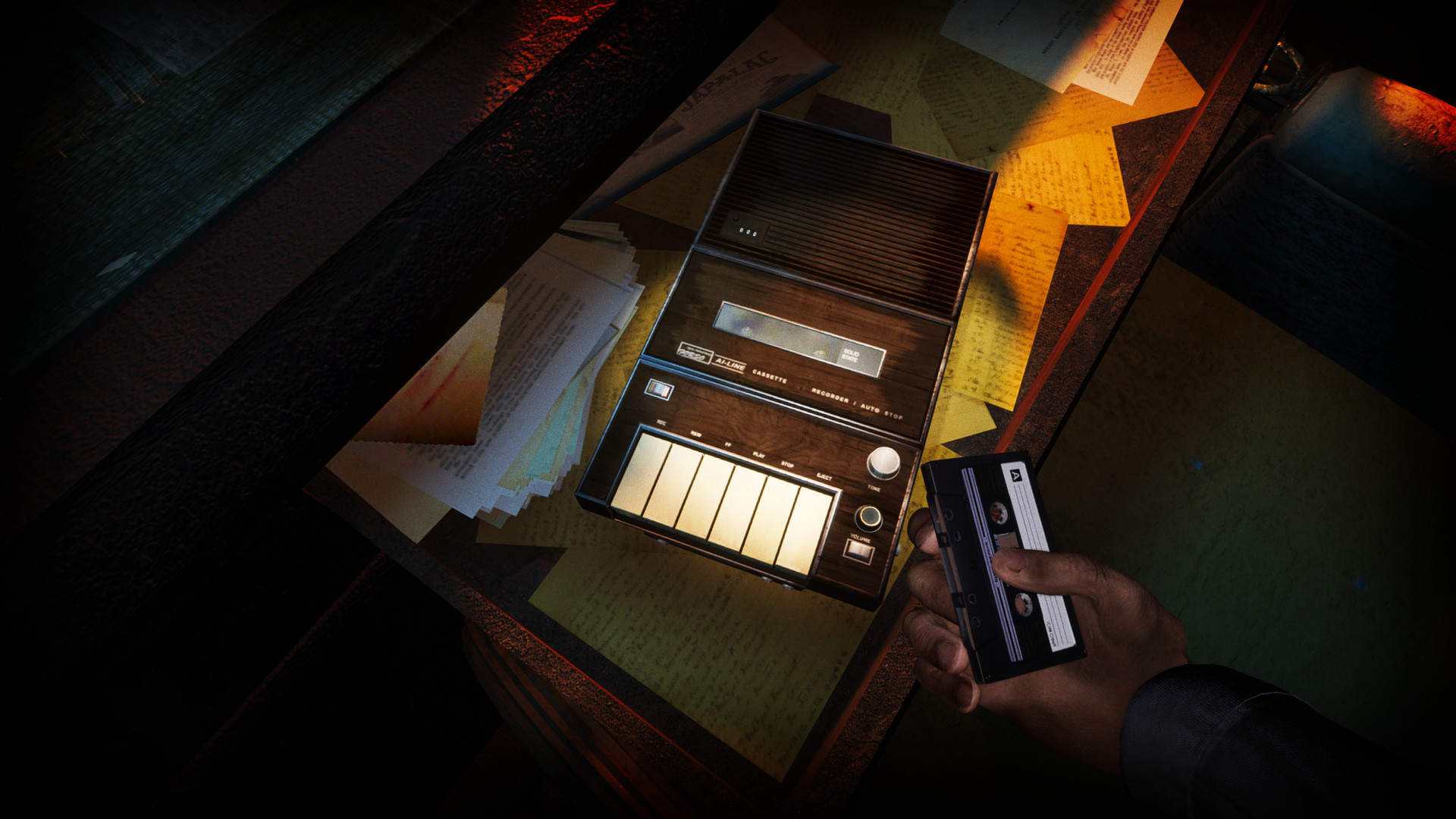
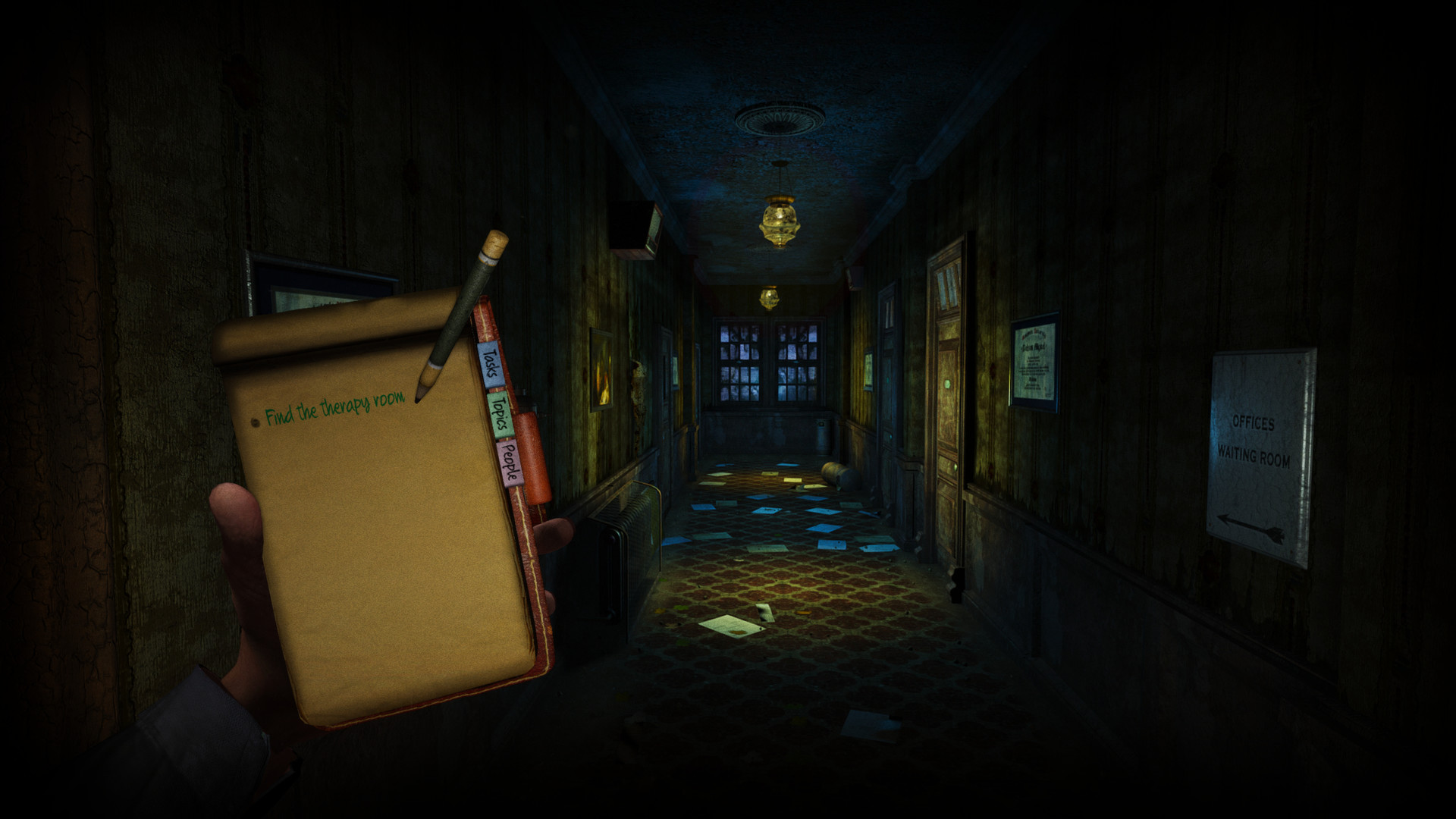
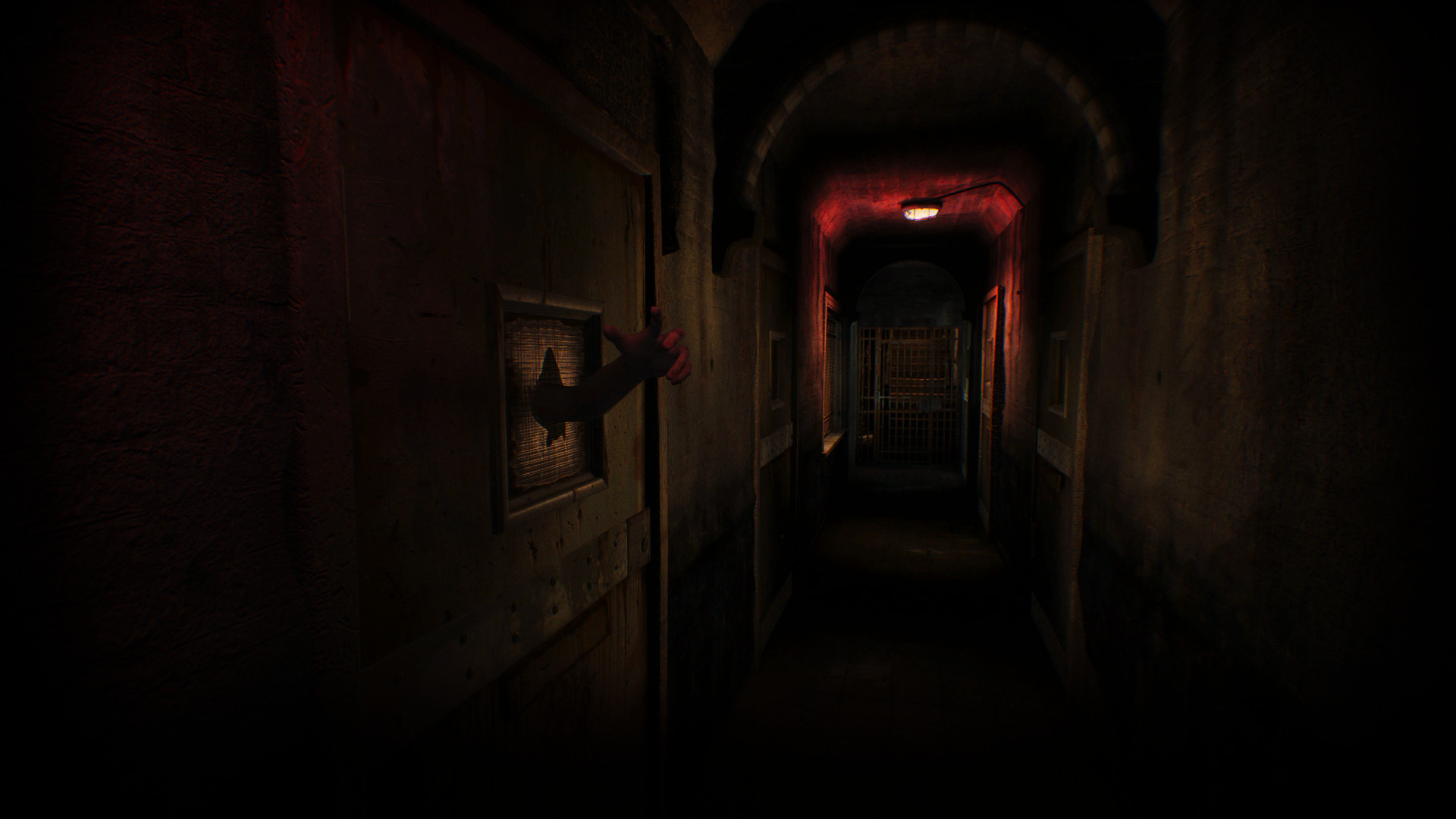
Apart from better graphics, there’s also been a change to the interface to make it more immersive. Where previously a key would simply be used magically when approaching a door, there is now an arm (and hand) in view that shows the interaction. Since Senscape believe even a cursor can break immersion, they are trying to create what they call a ‘look-and-click’ adventure rather than a point-and-click one. As a result, items you can interact with will have a faint glow around them. While there won’t be a traditional inventory, the protagonist will make a note about objects he has seen or people he has spoken to, and you can select that particular entry from the notebook to combine it with hotspots, just without a cursor.
A “brooding thunderstorm” demonstrates the new effects possible due to Asylum’s engine change
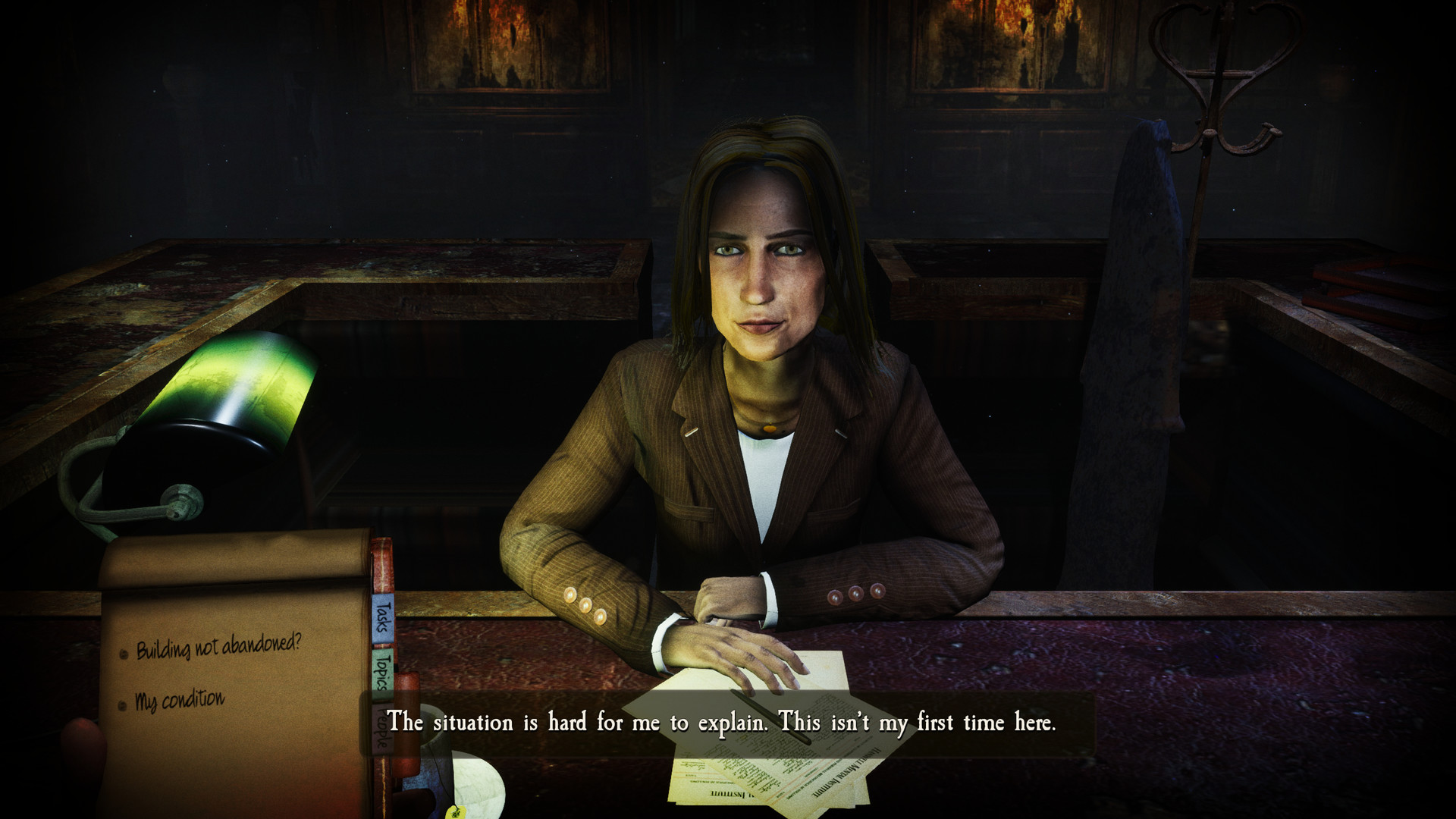
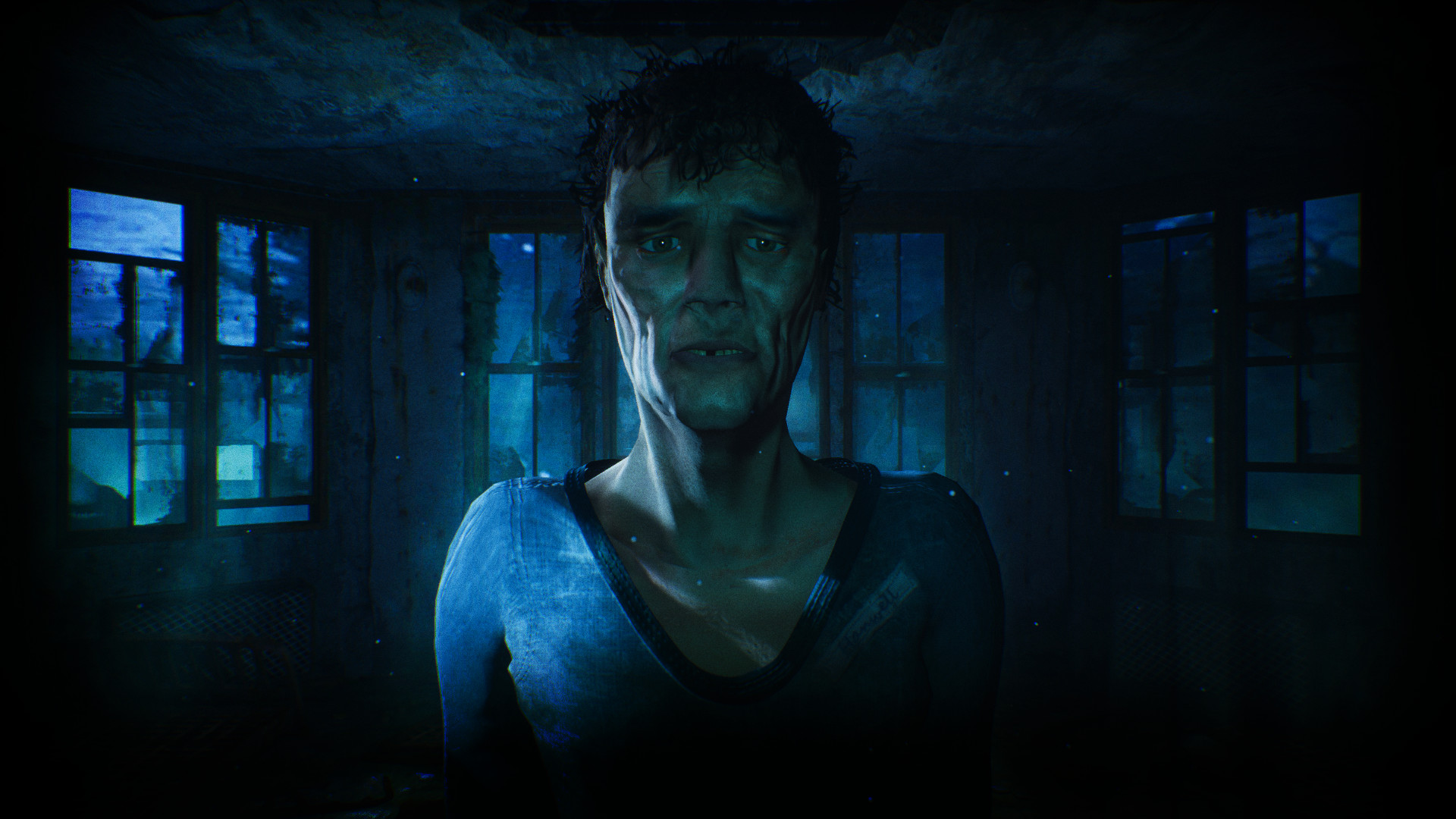
They’ve also redone the character models, so that the asylum receptionist Julia, for example, will have more animations such as looking around or at her fingernails during a conversation. Using Unity also means that porting to other platforms will be easier, so that a release on consoles and tablets will now be possible. Naturally, adapting to the new engine has caused some delay in getting Asylum finished, but the benefits look to be well worth a bit of extra impatience. Agustín still wasn’t ready to mention a specific launch date, but said they’re “months” away from completion.
Ashes to Ashes, Dust to Flesh
Just before gamescom, a series of short videos began teasing an “#Unspeakable Adventure” that Senscape will be formally announcing shortly. Since the graphics and animations for Asylum are pretty much done, it makes sense for the artists to start working on another project. Under the temporary name “Ashes to Ashes, Dust to Flesh”, the team is creating another horror game, for which they will be launching a Kickstarter campaign in October. All Agustín is willing to share right now is that, unlike Asylum, it will be a third-person adventure game, and Jenny Pattison, who previously contributed to Quest for Infamy, is working on it. The gameplay clip we were shown of a man walking in a dusty-looking library certainly had a unique, promising look, and even though Senscape was not willing to share any details about the story or premise just yet, I am looking forward to learning more early next month.
J.U.L.I.A. Among the Stars
With its September 12th release imminent at gamescom, indie Czech studio CBE was eager to show tons of new content for their reimagined sci-fi adventure. With crowdfunding money behind them, developers Jan Kavan and Lukáš Medek more or less started the remake from scratch, building their own engine based on Wintermute and making it open source for everyone to use. The renamed J.U.L.I.A. Among the Stars is technically much more advanced and has better graphics, new puzzles, and a partially different storyline. Kavan and Medek also added new audio features that were far too technical for me to understand, but they sounded impressive and Jan certainly seemed to be proud of the accomplishment.
The story still starts with 35-year-old astrobiologist Rachel Manners waking up from cryo sleep. She was part of a mission to investigate an artificial signal picked up from a distant solar system, but awakens to discover she is the only one still on board the spacecraft. Compared to the original game, we’ll learn much more about the other crew members this time. By visiting nearby planets (or to be more specific, by letting the remote robot Mobot visit the planets), we will discover that they all had ideas about what happened, but they were all wrong. Only you as the player have the ability to piece it all together from their diaries and other evidence. There is a lot of optional content that gives extra background information you don’t actually need to solve the mystery, and if you are really thorough you can solve an additional puzzle called ‘mind-o-matic’.
There is still no inventory, but you can interact with hotspots. For instance, if you look at an object or corpse you can ask Mobot to take a sample from it and do a couple types of analysis on it (e.g. DNA, fingerprints, chemical composition). A log keeps track of dialogues for you, showing subjects and branches while colour coding indicates if you’ve already addressed a particular key word (though you can always repeat it if you’ve forgotten the answer).
Having played the original game a few years back, I was very impressed with what Jan and Lukáš have accomplished since then. Not only are the background graphics and animations breathtakingly beautiful, there’s tons of new content to be discovered. From little details such as the planets now being named instead of just numbered to completely new puzzles and story arcs, it felt like I was playing a new game that was inspired by the old one. The Windows version of J.U.L.I.A. Among the Stars is available now on Steam and CBE’s own DRM-free store, with Mac and Linux versions to follow shortly.
The St. Christopher’s School Lockdown
Laney Berry, Kara Queen and Göran Paues from Classroom Graffiti have been working on creating a playable demo of The St. Christopher’s School Lockdown since their successful Kickstarter, which we got to see first-hand at gamescom. The first thing that immediately sets it apart from most adventures is the start screen, in which you are prompted to choose statistics for your character, as if it were a roleplaying game. Similar to the Quest for Glory games, these statistics (for instance Wit, Charisma, Persuasion, and Computer Hacking Skills) influence the way you solve puzzles, creating a degree of replay value rarely seen in the genre.
The basic premise of the game is that St. Christopher’s private school in Britain has been seized by its student body in a lock-in protest against severe new financial rulings set forth nation-wide by the Ministry of Education. The game will be released in several chapters, or episodes, and the first one is all about Kayleigh, a student who is also a bit of a con artist but is currently in serious debt with some dangerous people. The demo we saw didn’t take place in the school, but rather demonstrated how Kayleigh would get herself out of this troubling situation. To do so, she needs to do some research in a cyber cafe (although the game does not have a specific time setting, there are references to the nineties when it wasn’t quite as common to have a home computer, let alone a smart phone with an internet connection). Unfortunately, all of the computers are occupied or broken.
Programmer Göran Paues showed several solutions to the problem. Based on the statistics you chose at the beginning, these may or may not be available to you. For instance, if you are good at deceiving people, you might see a plumber’s van outside, note the phone number on the back and call the guy to leave the cafe to fix your toilet. If your skill isn’t high enough, the plumber won’t be convinced of the emergency and remains seated where he is. Alternatively, you might be able to persuade someone to leave their computer if you buy them something to eat. Another solution involves telling yet another patron, who is searching for porn, that his favourite star is signing autographs at a venue across town. Or perhaps you might even be able to fix a broken computer.
There will be tons of optional content in the game, such as newspapers you can read, websites you can visit, and school textbooks you can study. Some of these might offer a clue to an obstacle you are facing, so it pays to examine everything carefully. Lead developer Laney Berry promises there will be no ‘fail states’, meaning there will always be another solution for you to find. There will also be an optional mini-game in which you try to beat someone in a voodoo-themed trading card game for more information or a clue.
I was very impressed with the smooth, crisp graphics of The St. Christopher’s School Lockdown, the richness of the universe they’ve created for the game – from subtle details like fashion or graffiti on the wall to news stories about world politics – and the way the statistics impact the possible solutions. There is still no word on the launch of episode one, however, so we’ll need to wait a while longer to see how such an ambitious project all comes together.
{pagebreak}
Perils of Man
Since we first saw Perils of Man at last year’s gamescom, a lot has happened. Not only has the first chapter been released for free on the App Store (and downloaded 30,000 times with hardly any marketing behind it), developers IF Games have bought back the rights to publish the game commercially from the Swiss insurance company that financed the first chapter, and are expanding it to seven chapters. They plan to release the first three (the free demo and two additional chapters) for a reduced price as a pre-order, but even at full price the whole game shouldn’t cost more than about 5 euro. The first bundle is due for release in late September.
The game’s protagonist is a girl named Anna Eberling. Her father, a scientist, disappeared ten years ago. On her birthday, her mother gives her a box that her father left behind for her. Anna deduces that he must still be alive if he wanted her to have this, and after some investigative work she discovers that someone in her family invented an instrument – some kind of goggles – with which you could travel in time and assess risks. The first chapter ends just as she discovers a secret lab in the basement.
We were shown scenes from some of the unreleased chapters, in which players will visit the hidden laboratory and put together Darwin, a mechanical sidekick that will help Anna but also bug her for some comic relief in an otherwise dark story. After discovering and repairing the Risk Atlas, a machine that can foresee danger, the perspective changes to first-person. Anna travels to a theatre in London in 1863, where a fire is about to break out, trapping hundreds of people inside. Using the Risk Atlas, the dangerous situations start out easy enough, such as an open oil barrel underneath a sparking electrical connection. By closing the lid, you avert the immediate danger. As the game progresses, however, these situations become more complex and the dangers more subtle.
Other chapters will take place in settings such as a zeppelin during the Chicago World Fair or on board a freight ship. All in all, the developers claim it will take about seven hours to finish the full game. An iOS exclusive, Perils of Man should be playable on iPad 3 or above or iPhone 4s and above.
The Adventures of Dog Mendonça & Pizzaboy
Quietly behind the scenes, Argentine studio OKAM Studio has been working on The Adventures of Dog Mendonça & Pizzaboy for a couple of years now. The game is based on the similarly-titled comic books by Felipe Melo and Juan Cavia, published by Dark Horse, and its story takes place in between the books.
Dark Horse comic |
Both the game and the books follow the adventures of several supernatural creatures. During World War II, they sought refuge in Portugal, and now werewolves, vampires, gargoyles and ghosts live peacefully alongside humans. When the worst of all monsters plans his comeback, a middle-aged, overweight werewolf detective, a young pizza delivery boy, a six thousand-year-old demon named Pazuul in the body of a teenage girl, and the severed head of a gargoyle are the only ones capable of facing the terrible evil threatening mankind.
The Adventures of Dog Mendonça & Pizzaboy is a third-person, 2D point-and-click adventure game with lots of references to ‘80s and ‘90s culture, including movies, comics and old school graphic adventure games, while also keeping true to the series canon. Since a lot of time passes in between the comic books, OKAM had a lot of fun coming up with the story of what happened to the protagonists in the intervening years. For those who aren’t familiar with the titular protagonists, Dog Mendonça is the overweight occult detective – he’s also a lycanthrope in complete control of his curse – and Eurico (aka Pizzaboy) is his intern.
I had the pleasure of playing a short demo at gamescom, which left me wanting more. The nicely detailed, hand-drawn art style has been designed to be as close to the graphic novels as possible, with picture-in-picture effects and speech bubble-esque dialogue boxes. The game, however, has some small animations to make the screens feel lively. There were no voice-overs in the demo, apart from an introduction by Dog, but the jazzy soundtrack fit the mood very well.
The game has an intuitive interface with a simple verb coin (look, talk, grab/interact). In the demo, Pizzaboy was asked to investigate a crime scene while Dog Mendonça relaxes. An actor who has made many enemies has disappeared, and Eurico is supposed to gather clues. The scene takes place in an old hotel, but as soon as he approaches the staircase leading to the actor’s room, he finds a ghost dog blocking the way. Getting rid of it involves finding and combining items in an inventory (that opens like a coat on one side of the screen) and talking to Dog, Pazuul the demon, and Gargoyle, as well as some unexpected entities in the house. There is a lot of dialogue, much of it whimsical, setting the atmosphere and providing a bit of background for each of the four main characters.
In order to polish the game and potentially add voiceovers, OKAM will be launching a Kickstarter very soon, asking for a modest $30,000 with several stretch goals lined up to add more features. The GODOT engine supports multiple platforms, including Windows, OSX, Linux, Android, iOS, Blackberry 10, PlayStation 3, Vita and 3DS, but it is not known yet on which platforms the developers are aiming the initial release of The Adventures of Dog Mendonça & Pizzaboy.
Double Happy Vs. The Infinite Sadness
One of the strangest and most interesting games I saw at gamescom this year was Double Happy vs. the Infinite Sadness. Its epic story is not easy to explain, but the two Monkeystack developers I met certainly had no trouble convincing me of the quirkiness of its setting. The game takes place in a dark, decaying world that is depicted through very atmospheric 3D graphics. It will be released episodically, and each episode sees the ‘Double Happy Rabbits’, Pink and Blue, fighting a corruption the ‘Infinite Sadness’ has brought to one of the Isles of the Ancients. Each island has a unique art style, backstory and inhabitants, and the developers claim that the conclusions may not always be the expected happy ending.
The first episode, Pharos, is set on the titular once-majestic isle, just one of many exotic worlds that have succumbed to the overwhelming power of the Infinite Sadness. The Hive Totem of Light once shone out over the whole island, giving energy to the plants and people, keeping the ecosystem in balance. The totem itself, an enormous spire growing from the centre of the island, was topped by a glowing insect hive, pulsing with energy, and tending the hive were bugs known as the Glitzers. The Oolark, denizens of Pharos, discovered centuries ago that the Glitzers hold an electrical current that can be harnessed as batteries, though this unfortunately leads to the death of the Glitzer. The Oolark captured the Totem Hive of Light to use as their own, building a fortified tower around it to seal it off from the rest of the island. This threw the ecosystem out of balance, leading to the extinction of all kinds of flora and fauna. Most of the vegetation is now long dead, the land reduced to a boggy swampland filled with creatures struggling to survive, foraging on fungus, bugs and each other to live.
In this time of need, the cosmos grants Pharos a pair of cosmic rabbit-like creatures to hopefully restore its former thriving state. The cute pink and blue couple, known as Double Happy, are presented in bright colours and 2D for extra contrast with the environment around them. Their simple, naive outlook on life offers comic relief in an otherwise bleak and depressing world.
Bizarre adventures promise to abound through time and space as Double Happy quest across multi-dimensional universes, battling the corruption of the Infinite Sadness in each of the planned episodes. They’ll explore beautifully detailed worlds, from tranquil swamps and dark forests, to villages, temples, and a bustling steampunk metropolis.
Gameplay-wise, Double Happy is reminiscent of Brothers: A Tale of Two Sons, in that the two main characters can (and must) be controlled at the same time with one controller or keyboard. According to Monkeystack, the game is a mix between point-and-click adventure game with an epic and melodramatic narrative, and a quirky puzzler. Players will solve logic puzzles but also encounter more action-oriented mini-games, unraveling the secrets of the Isles of the Ancients and discovering the corruption plaguing the lands as they go.
Taking cues from other surrealist comedic games such as The Neverhood, Machinarium, and Oddworld, the developers have been inviting the community to help out with designing key elements in the game such as vehicles and creatures. They aren’t stopping at making only games, either, as several skits and webisodes have been produced, showing a day in the life of the unlikely heroes.
Double Happy vs. The Infinite Sadness is still in the early stages of development for PC and as-yet-undisclosed consoles, so we can expect to see the first episode released sometime in 2016.
{pagebreak}
Latest Gaming Articles
All Articles