



Chris Bischoff – BEAUTIFUL DESOLATION

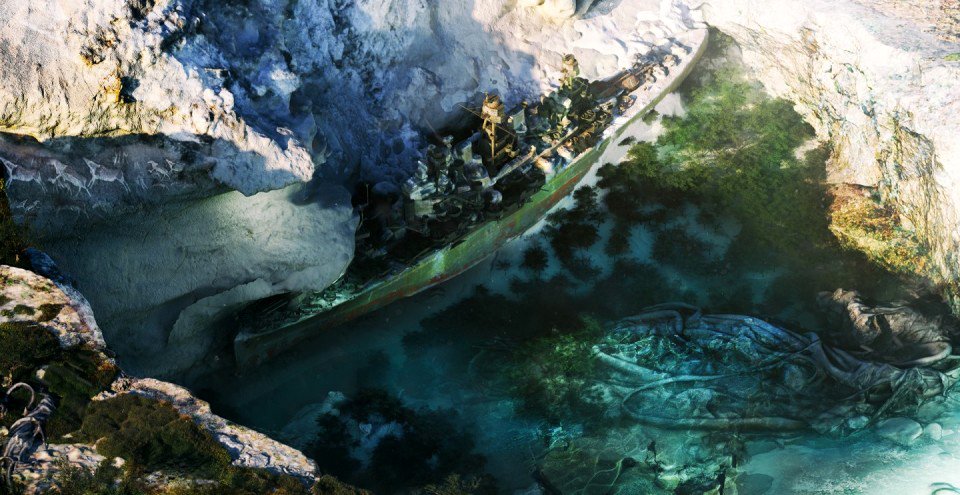
[b]AG[/b]: So we know that the world of BEAUTIFUL DESOLATION changed dramatically with the appearance of a mysterious monolith called the Penrose, when mankind blatantly ripped off its technology (as we are wont to do) without having the maturity to wield it responsibly. Is it the goal of the game to discover who built it and where it came from, or is that largely just a narrative backdrop for exploring (and surviving) this unique place?
[b]Chris[/b]: The Penrose is the catalyst for the story and the world, but at its heart, BEAUTIFUL DESOLATION will be about family and those bonds. Having The Penrose gives us an opportunity to create some otherworldly technology and an air of magic while still keeping things grounded in reality.
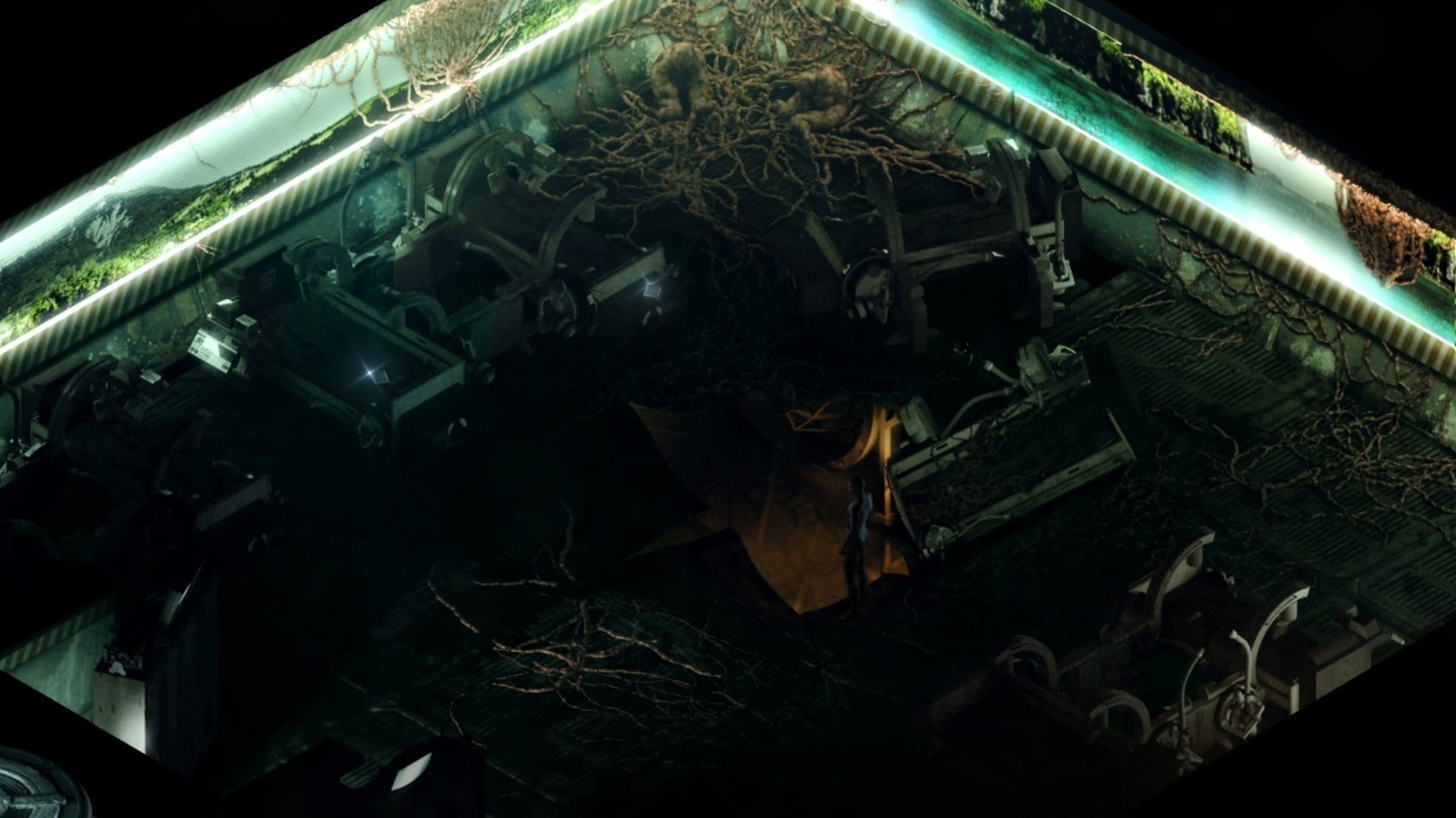
The Penrose itself is intrinsically linked to Mark and Don Leslie – but just what that link is… you’re going to have to play the game to find out!
[b]AG[/b]: Along with the two Leslie brothers, one of the central characters is a mechanical dog-like reconnaissance drone called POOCH. Will we get to play as POOCH?
[b]Chris[/b]: POOCH is an NPC, but she will work with the player as a companion. You will talk to her, get her to do tasks and take advantage of her various abilities to help solve puzzles.
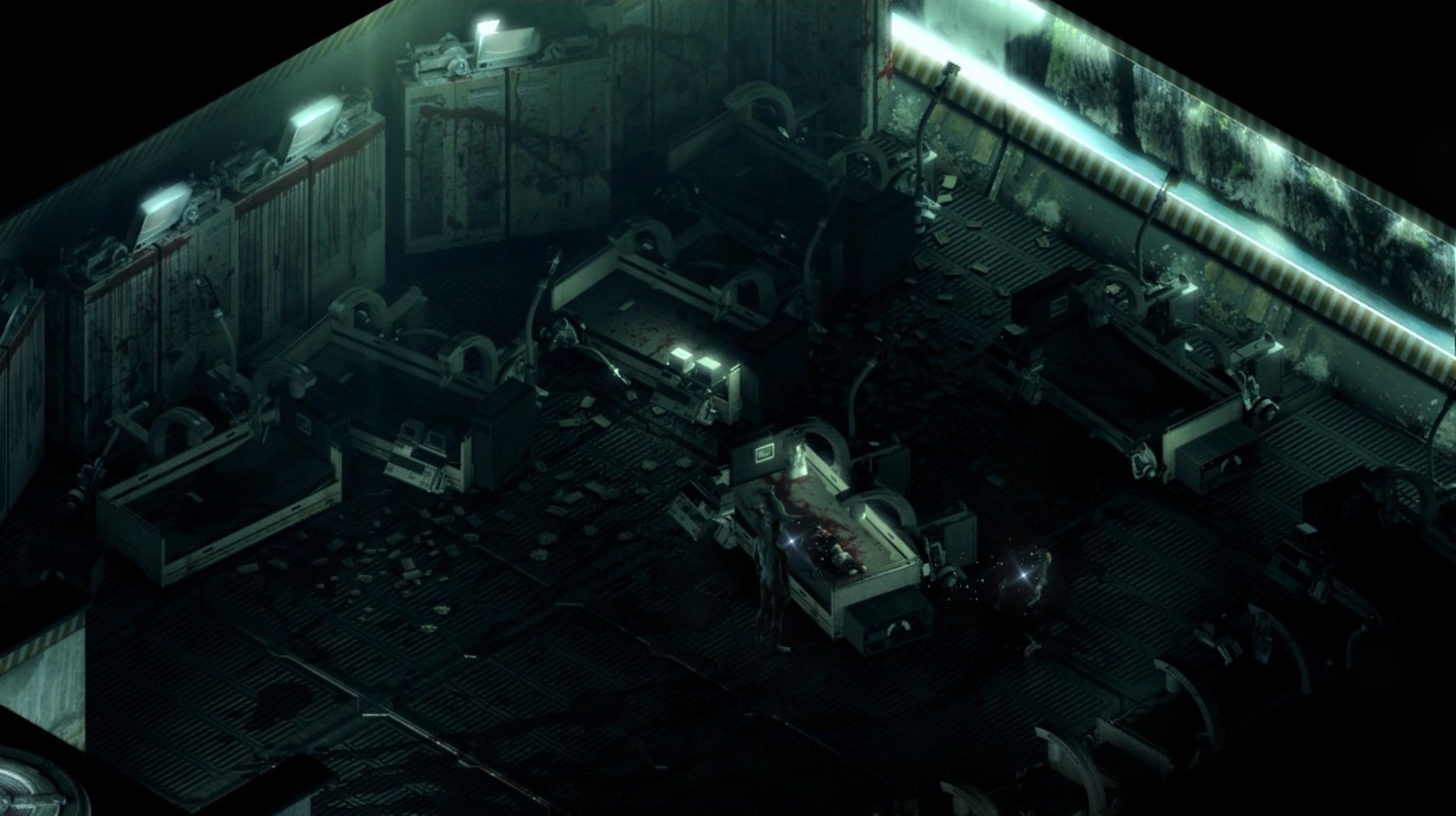
POOCH is more than a walking toolbox, however, and she has her own story and her own sets of goals that will come into sharp conflict with the brothers’ journey.
She has lived in the world for a long time before Mark and Don arrive, so she often acts as a guide to the player. I think POOCH will be a very challenging character to write and create because we want her to be more than just a walking toaster.
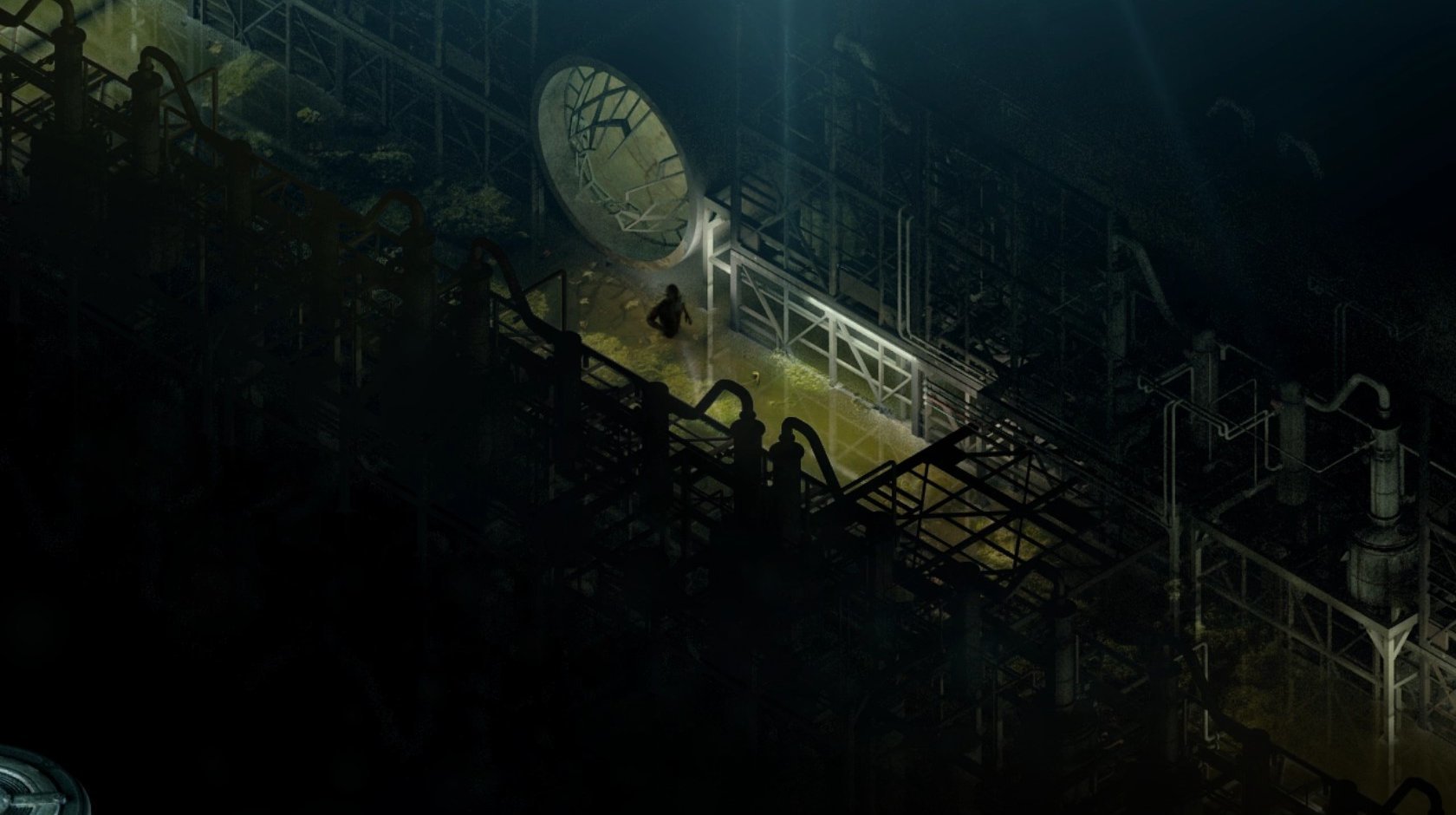
[b]AG[/b]: All your games so far have used an isometric viewpoint, which is common to RPGs but still relatively rare for adventure games. What’s the appeal of that perspective to you as developers?
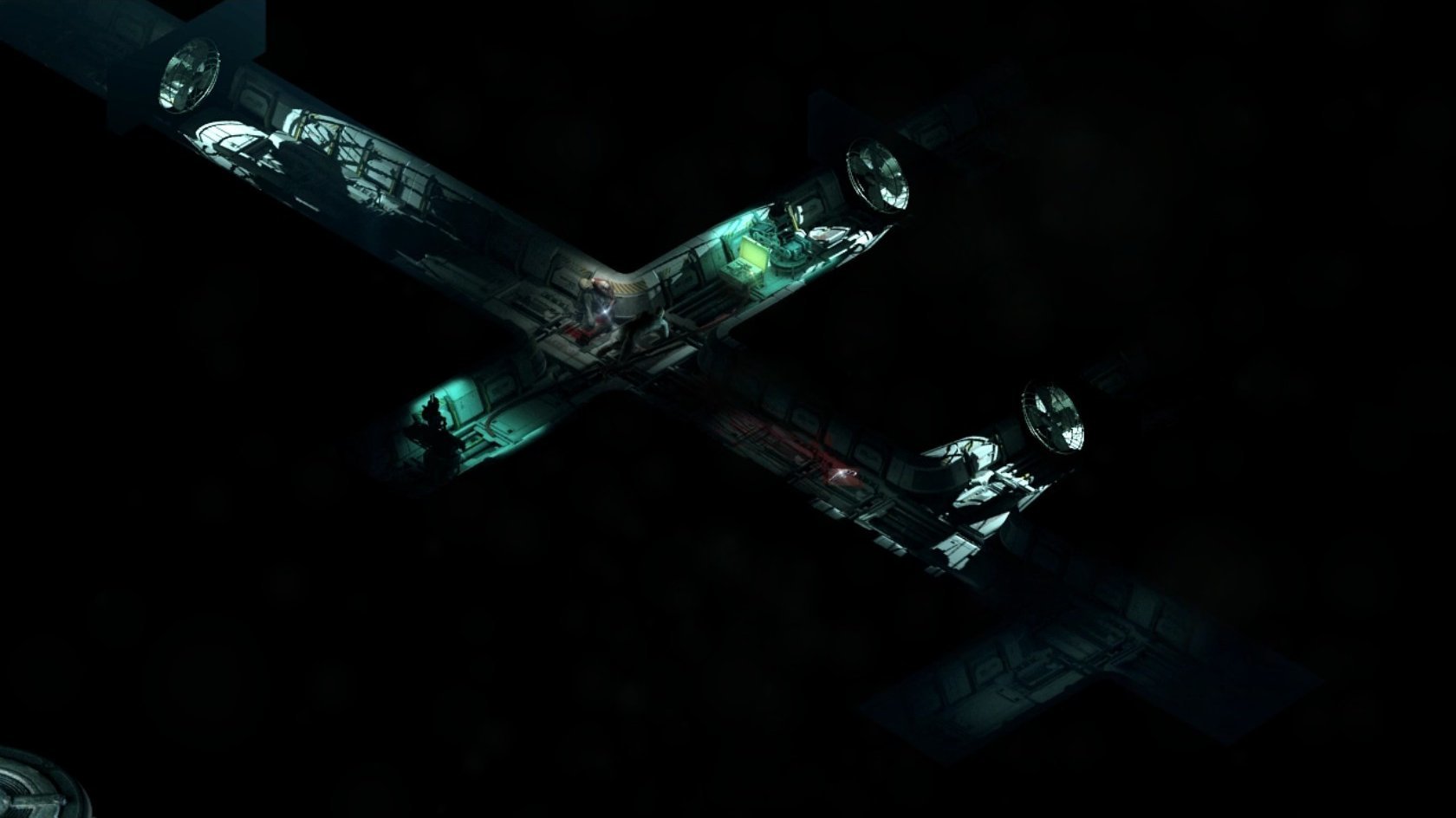
[b]Chris[/b]: When I first did the tests for STASIS, the isometric camera angle seemed natural. I loved Fallout 1 and 2 – and, of course, the Infinity Engine games – so when it came to building a game of our own we moved towards the isometric viewpoint.
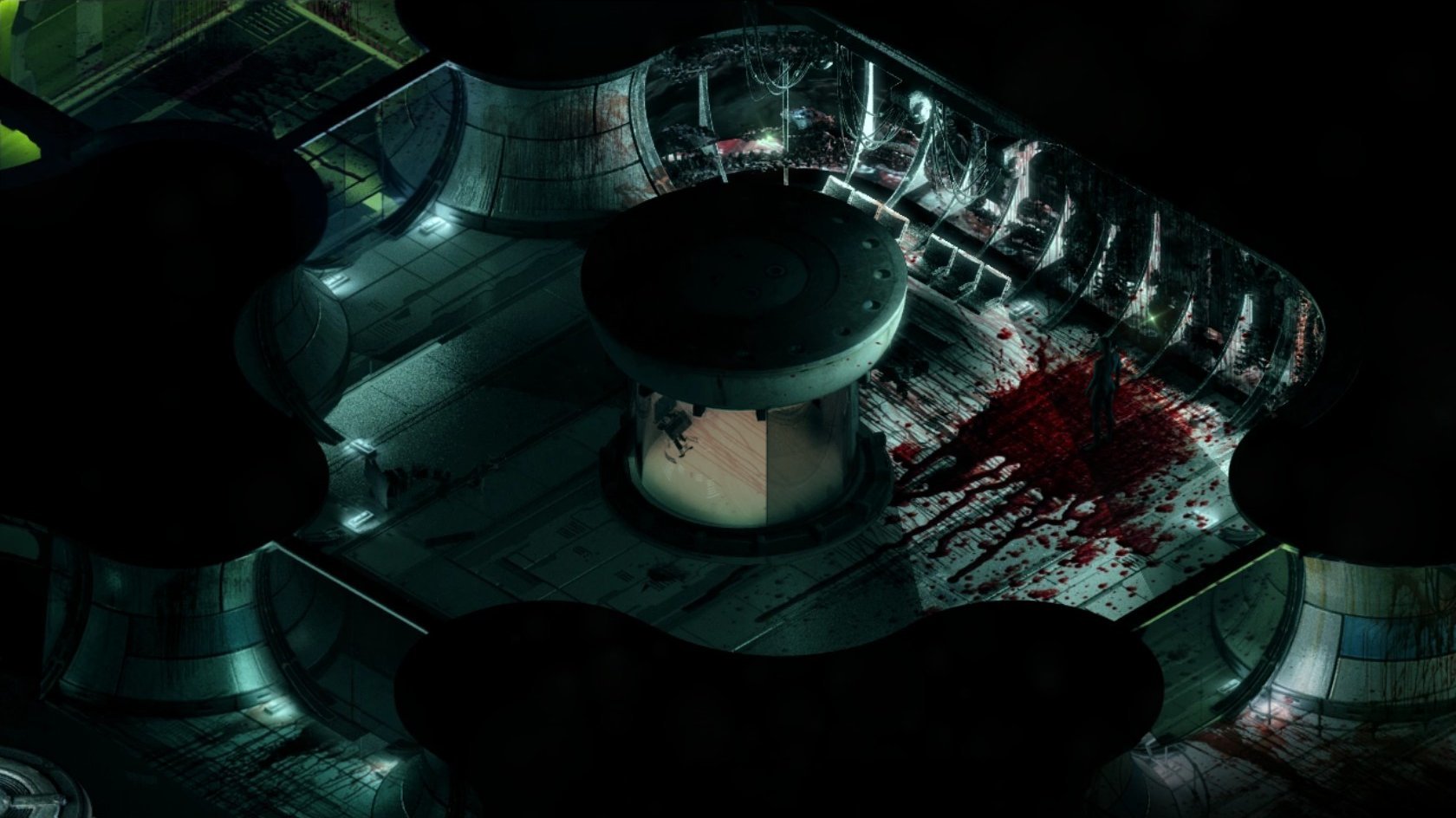
I think my art style lends itself to the isometric vantage point. I can add just enough detail to make the scenes look awesome but I do not need to fuss over them for days on end.
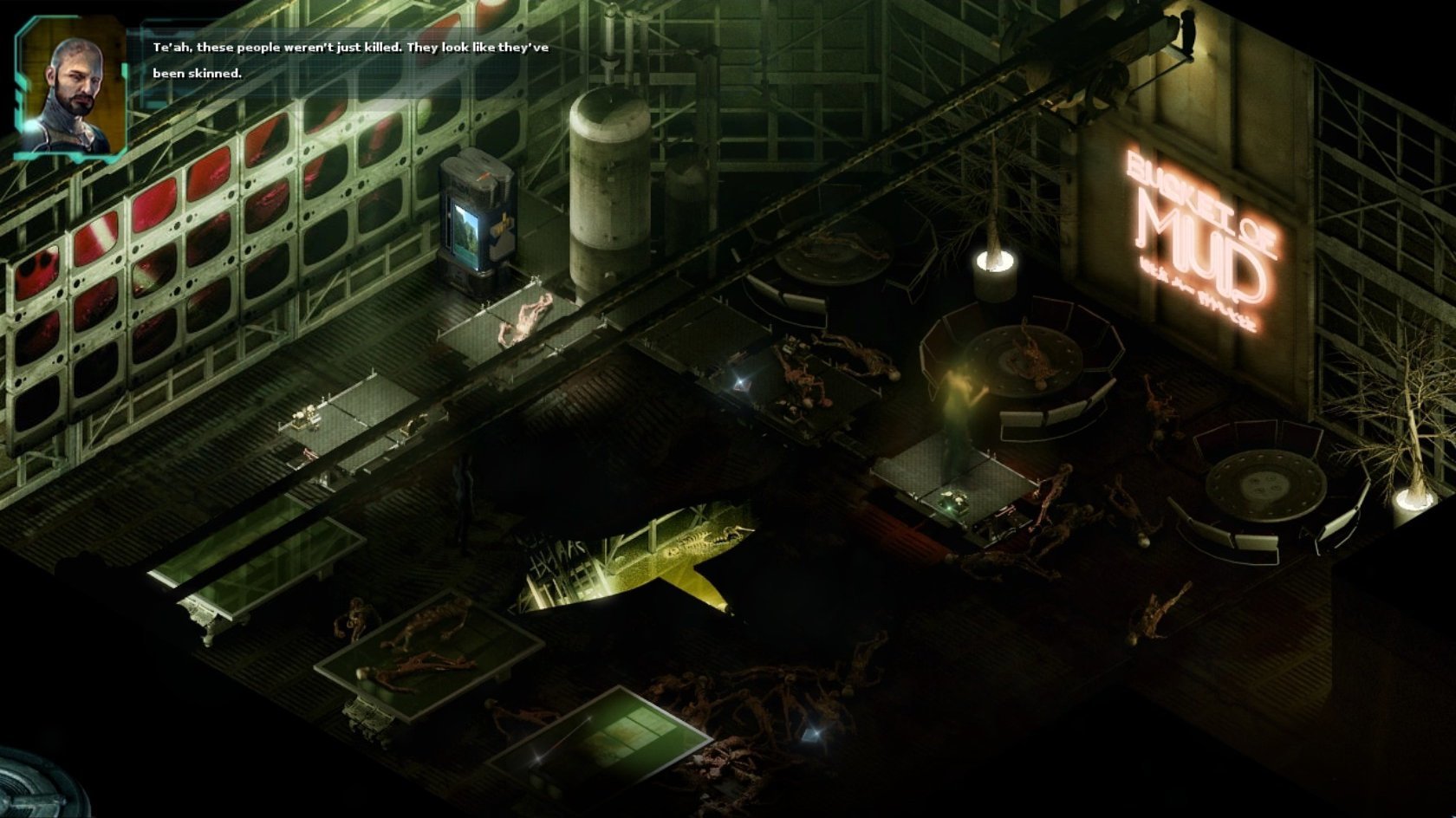
While it can be difficult to create a connection with a character from this aspect, it could also serve as an effective tool to convey that the characters are a piece of a bigger picture. They are a small part of the whole – which I think is a powerful lens to tell a story through.
[b]AG[/b]: You’ve incorporated numerous improvements since STASIS, first in CAYNE and even more so in BEAUTIFUL DESOLATION. Can you elaborate on some of these?
[b]Chris[/b]: The largest is the decision to switch engines from Visionaire to Unity. Unity is an incredibly flexible piece of software and has allowed us to expand our game design ideas out into many different areas.
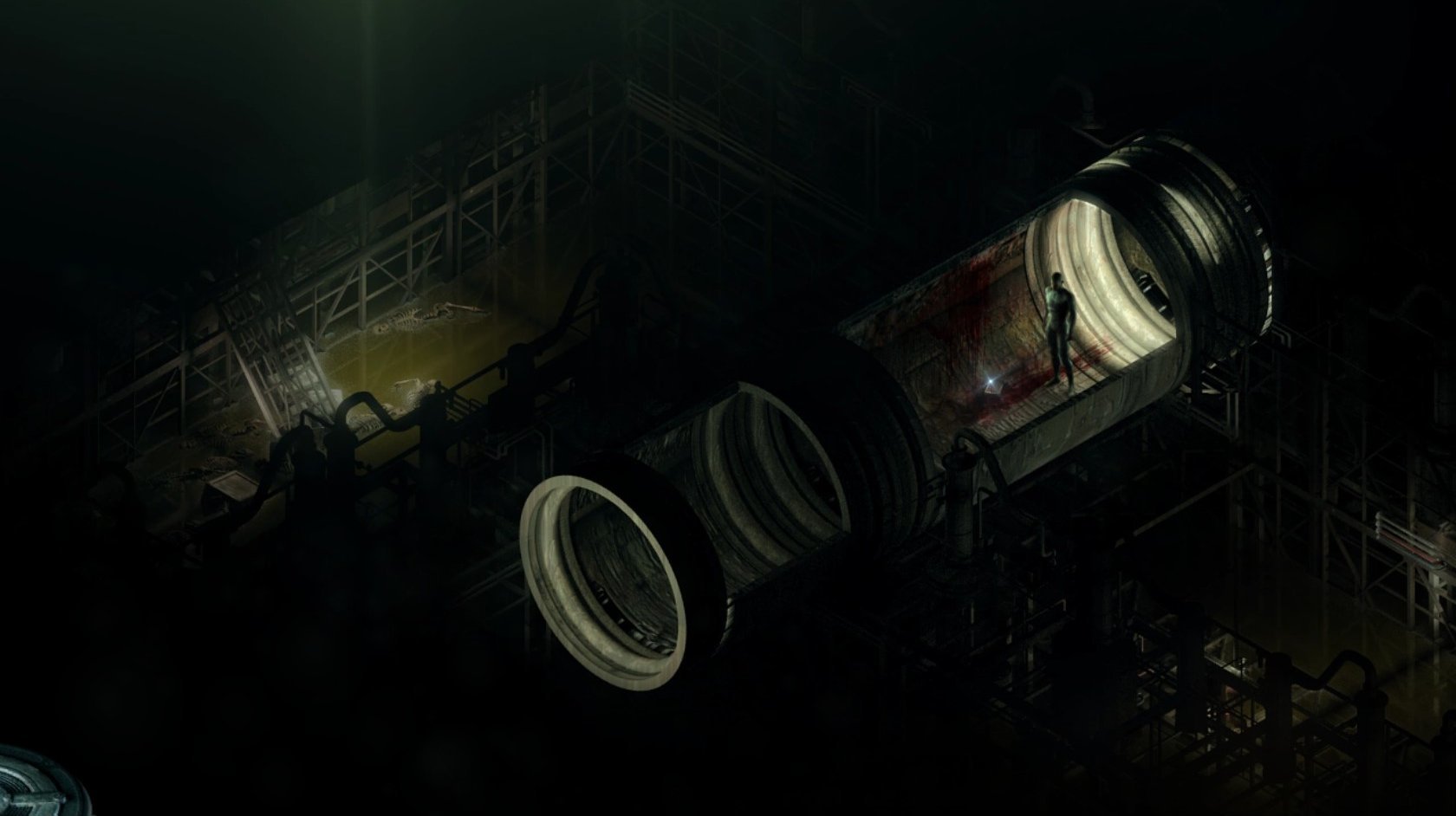
Another switch is from 2D to 3D characters. 2D characters are time and memory intensive. Each motion that John did in the STASIS world was rendered, lit and then imported. This would often take days for some of the complicated interactions. Our move to 3D characters is simpler and faster to implement, which in turn speeds up the overall game design.
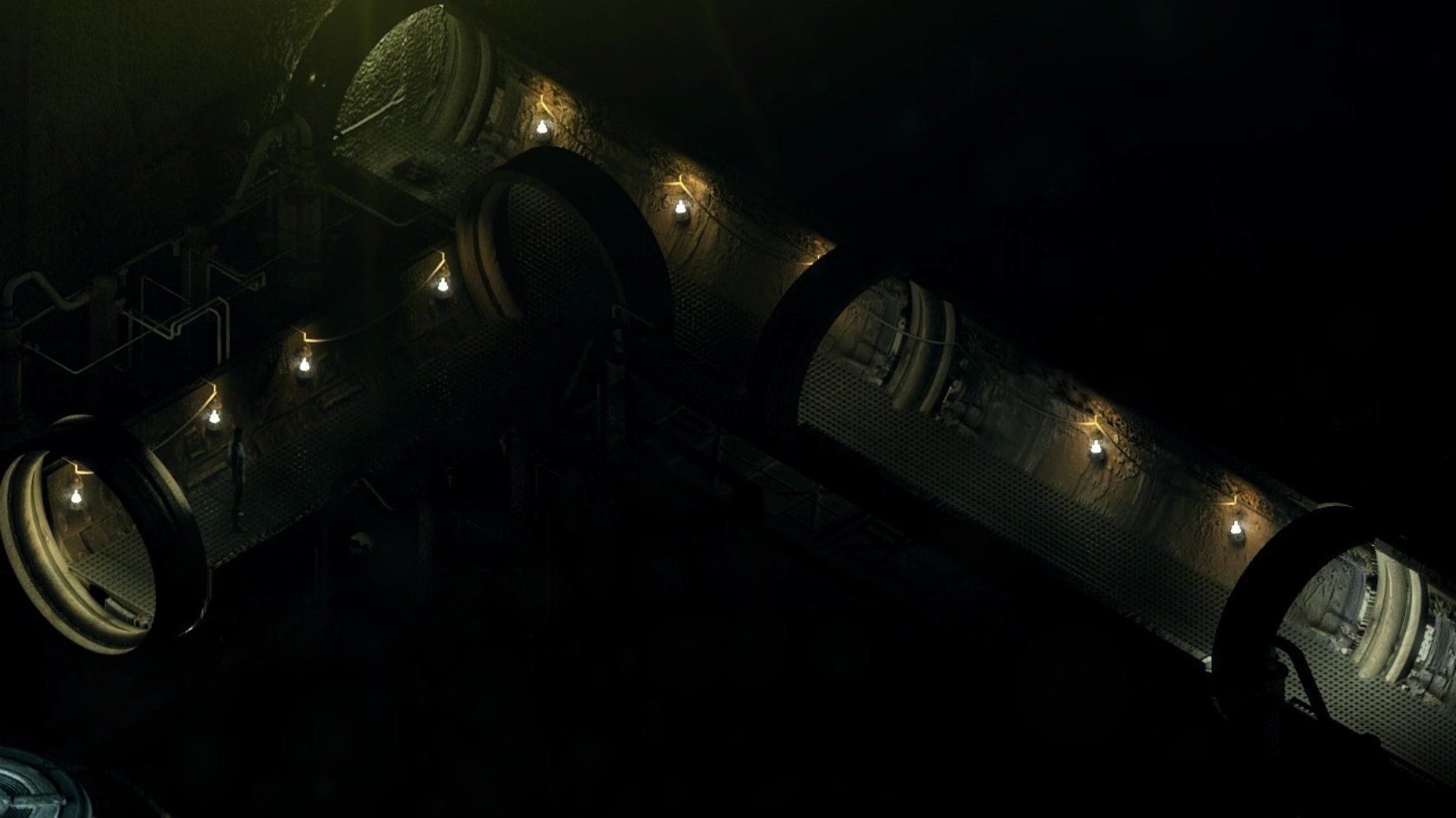
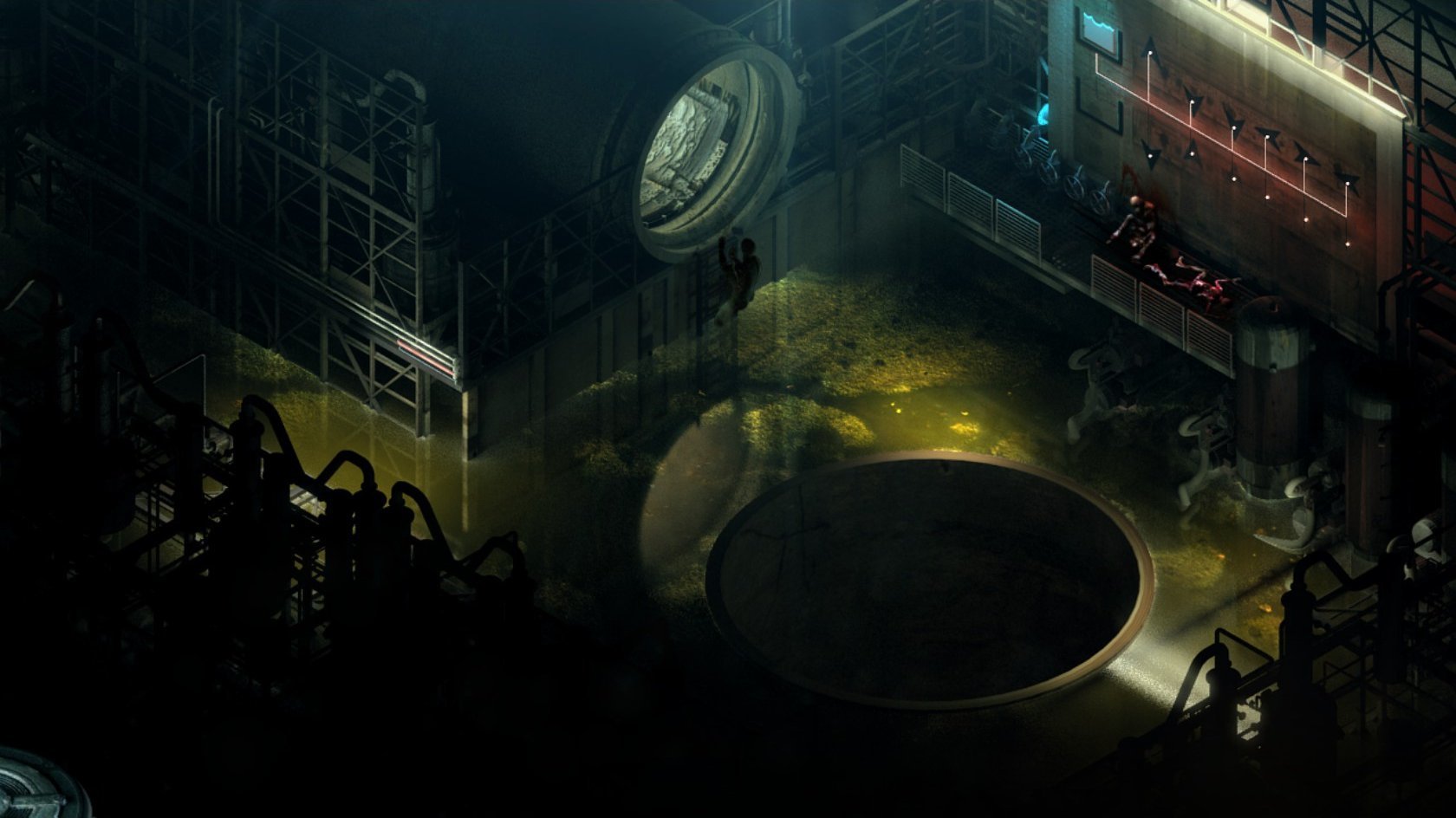
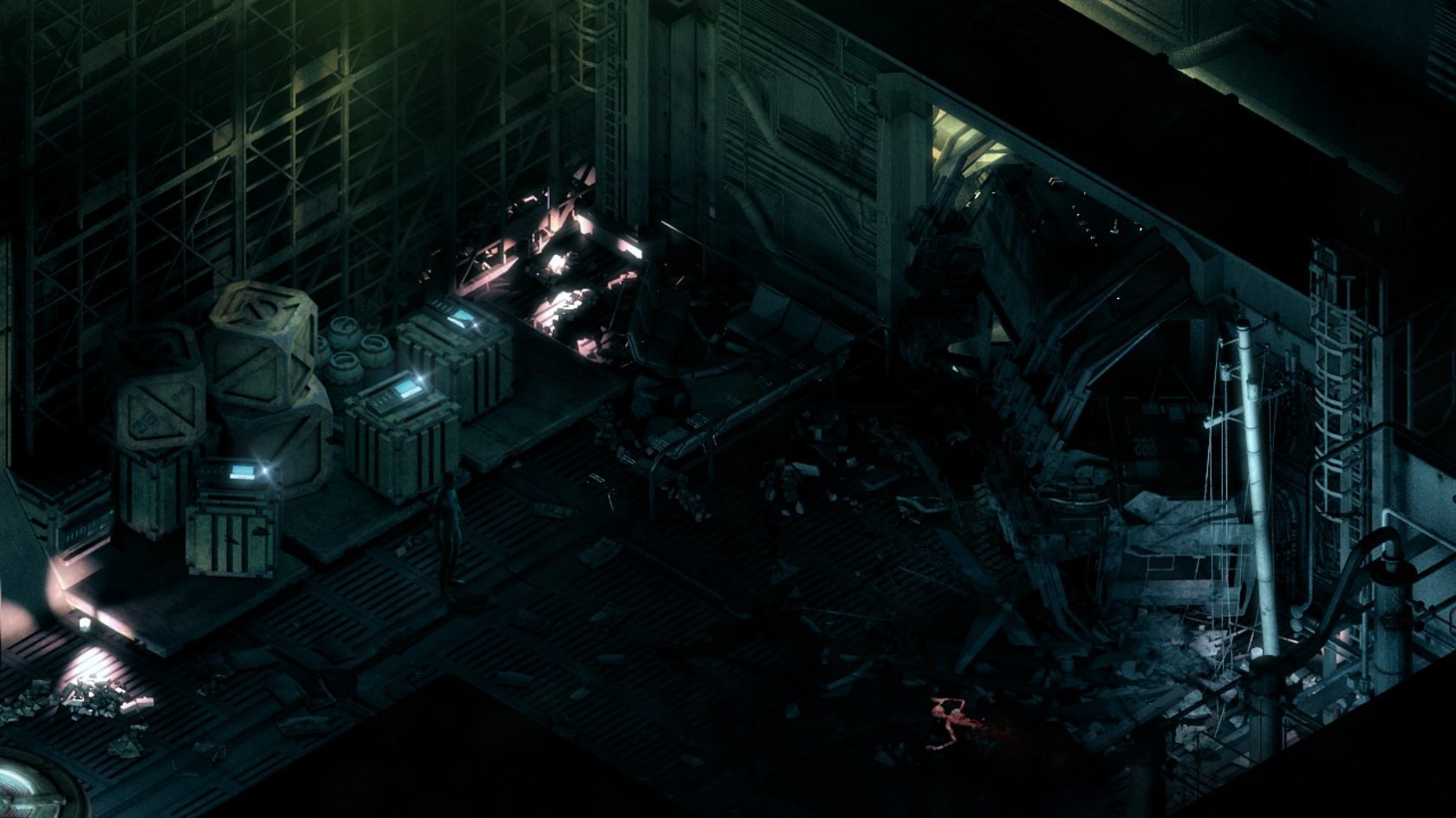
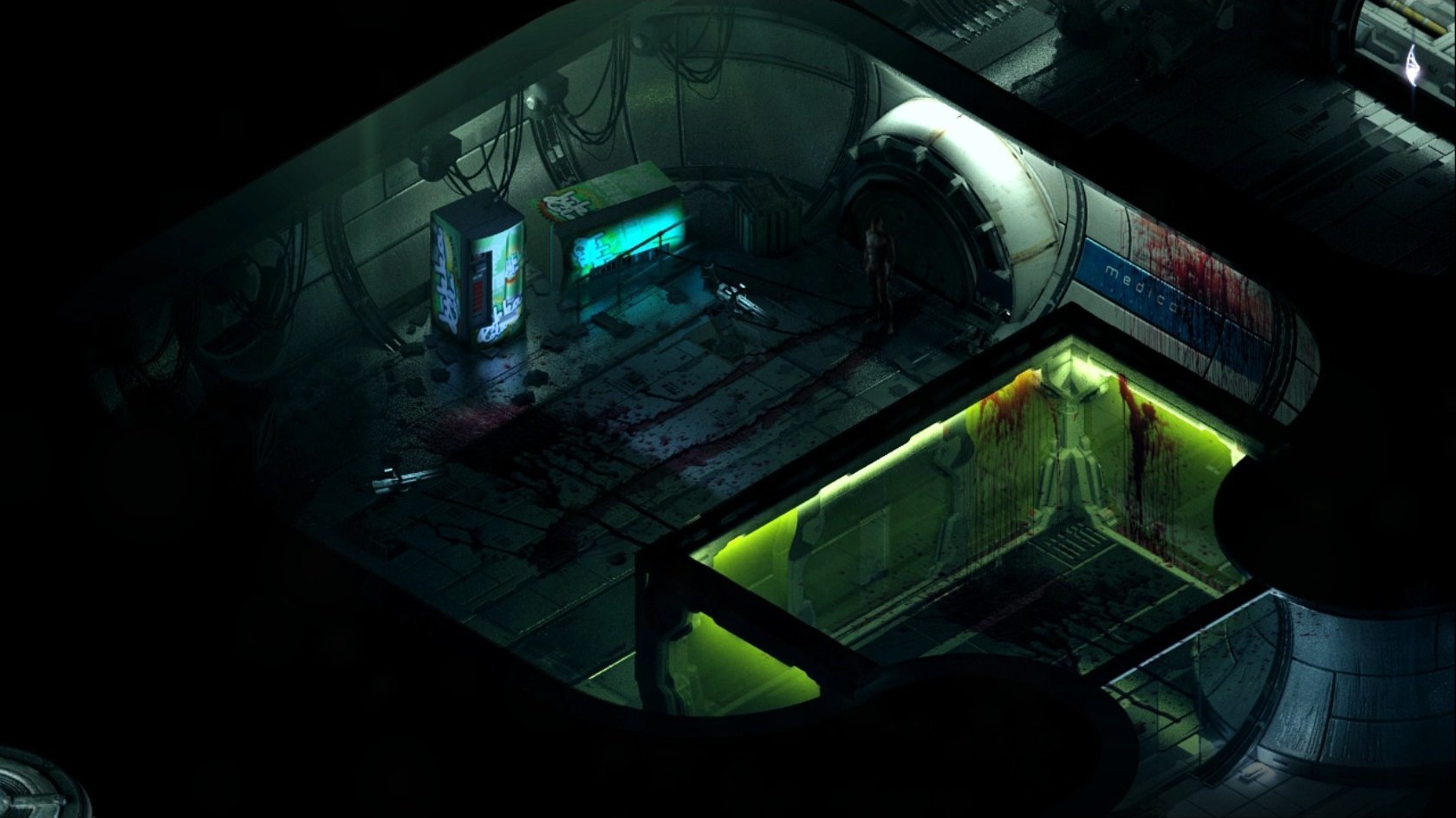
As I’m sure you’ve noticed in CAYNE, we’ve pushed the visual aspects in directions we weren’t able to do in STASIS. Using interactive lights, normal mapping, particle systems and additional animations all make the game more immersive.
In addition to this, our new sound engine allows for directional and distance-based sound effects. All these tools make for crafting a better game, faster.
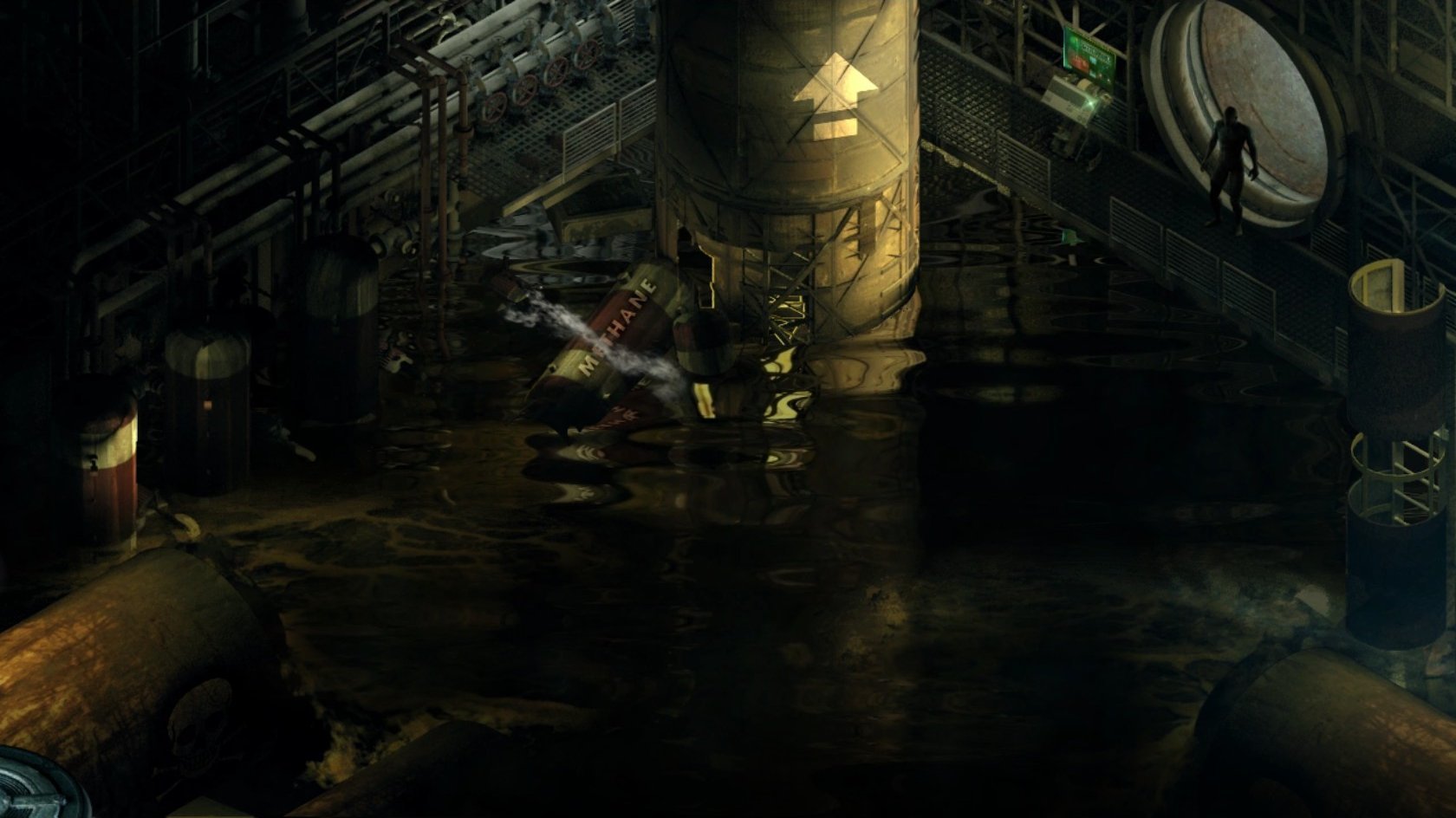
CAYNE was just the beginning and we think we can take the art to an even higher level of fidelity. Our test scenes that we created for the Kickstarter campaign look even better than CAYNE does and these are the early days of the ‘look and feel’ development.
[b]AG[/b]: And how about enhancements from a storytelling and gameplay perspective? Not that you left a whole lot of room for improvement in those areas, but what did you learn from your first game that will make the next one even better?
[b]Chris[/b]: We’re looking at moving away from the linear storytelling style of our previous games in BEAUTIFUL DESOLATION. We will still have a definite story with a beginning, middle and end, but we want to give the player more freedoms when it comes to how they play the game.
In CAYNE we tried to open the game up from the typical ‘unlock a room and move to the next room’ process. We applied a hub setup to the game and it worked fairly well. However, it can and will be improved on in DESOLATION.
[b]AG[/b]: We applaud you for the brutally honest 2019 target release date for BEAUTIFUL DESOLATION. That’s so refreshing after the many Kickstarters that over-promise with blatantly unrealistic production goals (and of course, fail to meet them). Were you concerned at all that the long development cycle would scare people off?
[b]Chris[/b]: We were (and are), but we’re coming to backers and asking for their hard-earned money, so it’s our responsibility to be honest.
CAYNE was a test of our skills with regards to our development speed, and now we’re confident about the size and quality of game that we want to make.
We haven’t committed to multiple platforms and operating systems because we are unsure if we can deliver our game to them on day one. I know we would have doubled our Kickstarter funding if we said ‘Yes, this will be on PS4 and XBOX’ but that would be a lie and we pride ourselves on transparency and honesty.
2019 is a far way away, but I promise that it will be worth the wait!
[b]AG[/b]: As we speak, the game currently needs one final push to get your funding over the top. Any final words to those still on the fence about supporting BEAUTIFUL DESOLATION?
[b]Chris[/b]: If anybody is still unsure about what we’re able to deliver, please play CAYNE – it’s free! – and see what we can do.
The community has been supportive of us – they believed in STASIS and we delivered more than what was expected! Even with full translations.
We don’t take our crowdfunding campaign lightly, and we’re confident that we can create an amazing experience with the fans’ help, and I just hope that they will come along on the ride with us.
Visit our Kickstarter page and learn more about our vision.
[b]AG[/b]: We’re certainly rooting for you, as we can’t wait to see what’s in store from the Bischoff Brotherhood. Thanks so much for taking time to talk with us, and all the best on the project!
[b]Chris[/b]: Its been a pleasure!
Peter Mattsson and Jack Allin contributed to this article.
Latest Gaming Articles
All Articles