




Casebook Trilogy: Special Edition – Sam Clarkson


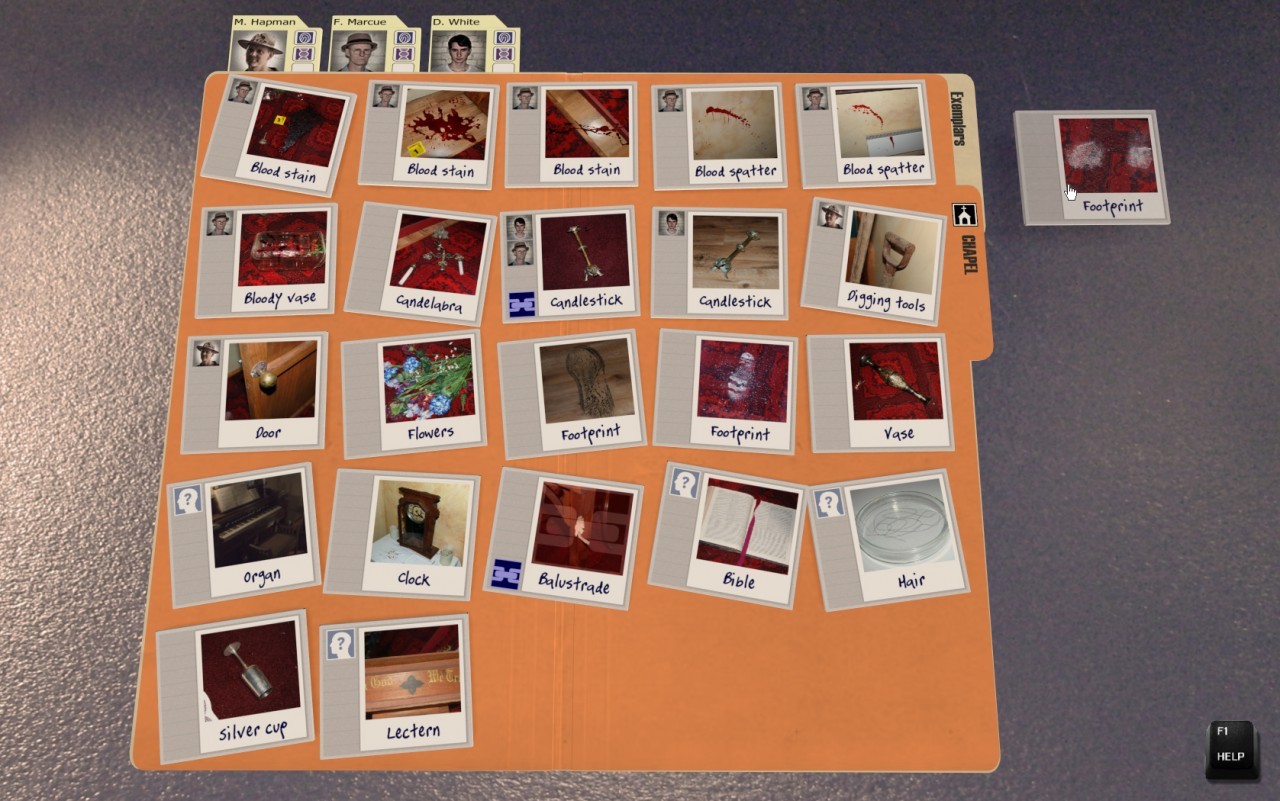
Adventure Gamers: No doubt you’re familiar with some of the great FMV adventures of the past, like The Beast Within. Did they serve as an inspiration for your game? Outside of those adventures, what were your greatest influences?
Sam Clarkson: To be honest, we never consciously said “we are making an FMV game.” We felt we simply had no choice. The game’s environments were real, so we had to have real human characters. Placing polygon or cartoon characters inside our photo-realistic crime scenes would have just looked really bizarre – so we are only an FMV game through necessity. Though I’m honoured to have been compared to the Tex Murphy games and the like, we didn’t play through them for research. Of course we had a look at them, but once I saw what they were about, and that they shared some similarities to Casebook, I decided it would be best to not play through them, as I wanted to keep a singular vision in my mind and not be influenced by past games.
I would say that the two biggest influences on Casebook were Columbo and Twin Peaks. Columbo showed us that the protagonist needed to be a pretty interesting guy to carry a show for multiple episodes, while Twin Peaks just had such a weird atmosphere pervading it that it sort of cast a spell over you. These two elements were our priorities: providing the players with characters that were quirky and interesting, along with a strong, pervasive atmosphere.

AG: The series features a silent playable character, yet they often feel like James Burton’s investigations. Why not just have Burton be the main protagonist?
Sam: The simple answer is that I liked the idea of creating a friendship between the player and the protagonist. Not only does James Burton act as your guide, he is your partner and friend… it’s a subtle difference, but I like the idea that when you are watching the cinematics, you are watching your friend going through this experience, rather than watching yourself, which would mean there is an inherent level of abstraction – because in real life you can’t watch yourself while you speak to people.
Of course, it also provides us with situations where you – the player – can influence Burton’s actions (such as the interrogation scenes where the player can give advice to Burton as to how physical or psychological he should be with the suspect).
Latest Gaming Articles
All Articles