



A History of Holmes

Developer: Mythos Software
Publisher: Electronic Arts
Release Date: 1992 (MobyGames entry)
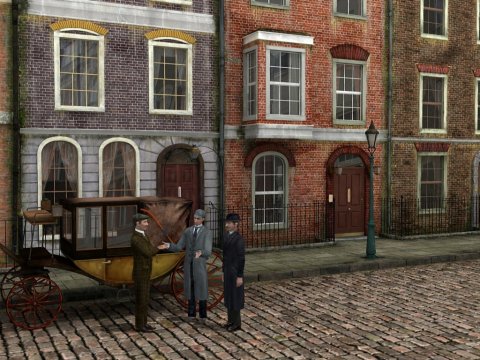
The torch was passed to the very obscure developer Mythos Software in 1992…and the result was absolutely one of the finest adventure games ever produced. Bulky title aside, Serrated Scalpel raised the bar for mystery games, and the entire adventure genre. With a fantastically written plot, a story told as well as that in any game of the genre, a massive amount of well-written dialogue, and trademark Holmes-Watson banter on a level nearly equalling Sir Arthur Conan Doyle at his best, this was truly an adventure for the ages.
The story began with an actress, murdered in an apparent robbery gone bad outside of the theater she performs at. Is it the return of the Ripper? The beginning of a new serial killer? The mystery unfolds and unfolds, and the identity and motivation of her killer is revealed only 60% into the game–with plenty more mystery layers to peel away after that point!
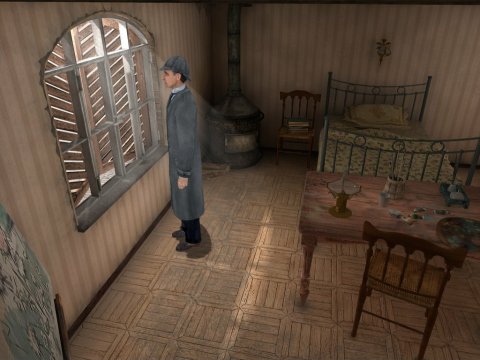
Twelve years later, the sheer brilliance and volume of the plot and dialogue have barely if ever been rivaled in a mystery–or any traditional adventure game, period. For more information, read the game’s Top 20 entry.
Developer: Mythos Software
Publisher: Electronic Arts
Release Date: 1996 (MobyGames entry)
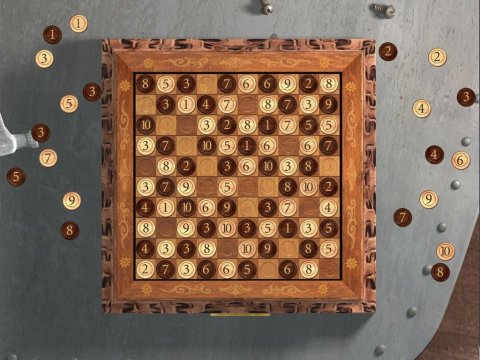
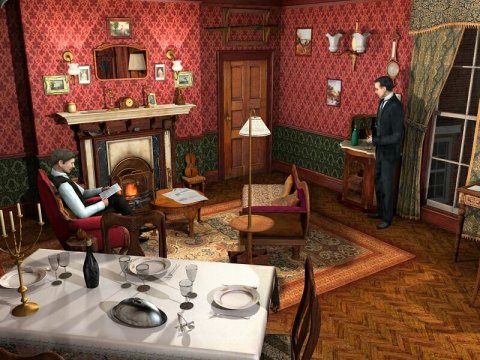
Four years after Serrated Scalpel–and unfortunately, a year into the decline of adventures as a commercially viable genre–Mythos made every effort to outdo themselves with Rose Tattoo, their second Sherlock adventure. It was nothing if not ambitious, boasting 50+ locations and 90+ characters. In keeping with the changing times, this Lost Files game boasted full voice-acting for all characters, with all the voices done by authentic Victorian actors. The background art in all the scenes is incredibly detailed, almost to the game’s detriment; the background narrative and item descriptions are written with even more detail, clearly by those very knowledgable about the Sherlockian era of Victorian London.
The game’s ambition proved to be its downfall; the amount of locations to visit and characters to talk to was almost too much to handle, lacking the perfect balance of its predecessor. Although a fantastic and compelling story was told, the gaming public’s taste was turning away from these sorts of games towards lighter fare, and Rose Tattoo was not a commercial success–ensuring it would be the final Lost Files game. For more information, read the Adventure Gamers review.
Developer: Frogwares
Publisher: The Adventure Company
Release Date: January 2003 (MobyGames entry)
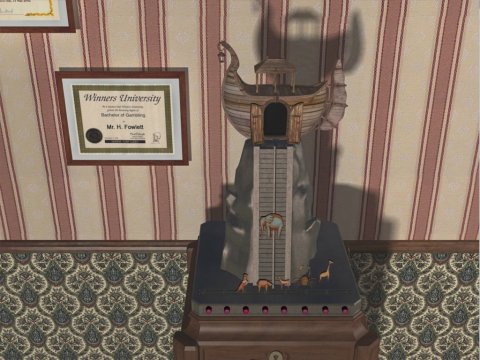
Seven years after the premature end of the Lost Files series, Frogwares picked up the torch and brought Sherlock into a whole other perspective–the first-person adventure. The result was decidedly mixed; although featuring great voicework and another ambitious, typically Sherlockian story, the storytelling and plot development that had been done so well in so many Sherlock games got a little lost beneath the large array of puzzles. The game’s length was also lacking compared to previous games in the series.
Though not a bad game by any means–even more impressive coming from a first-time developer–Mystery of the Mummy was more a victim of the insanely high standards set by the two Lost Files games and appears destined to be remembered more for its mediocrity than anything else. For more information, read the Adventure Gamers review.
But wait! Frogwares has not had their final say in Sherlock Holmes lore, and when The Case of the Silver Earring hits shelves–with a third-person style that recalls the great Lost Files games–we will see where its place will be in history. After all these years, the game, once again, is afoot!
Latest Gaming Articles
All Articles