

Until Dawn

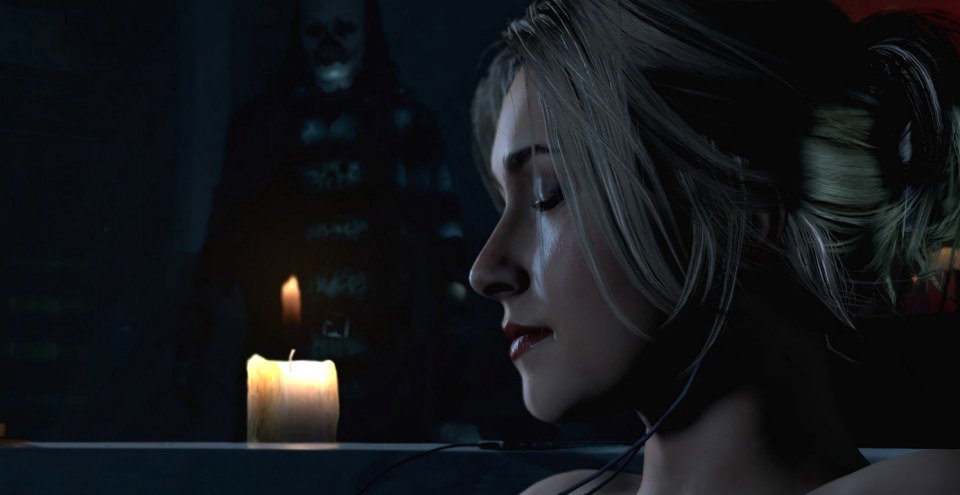
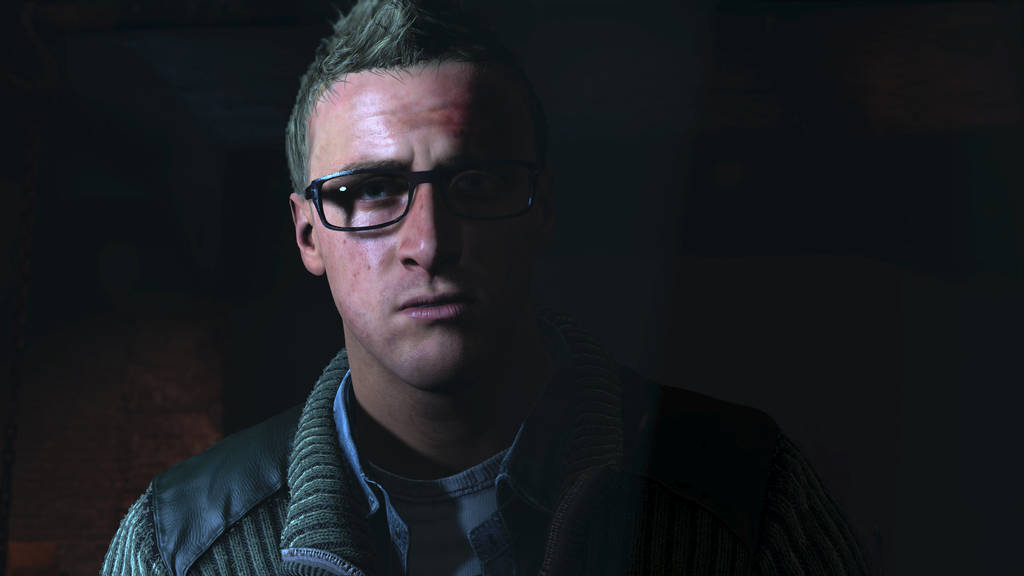
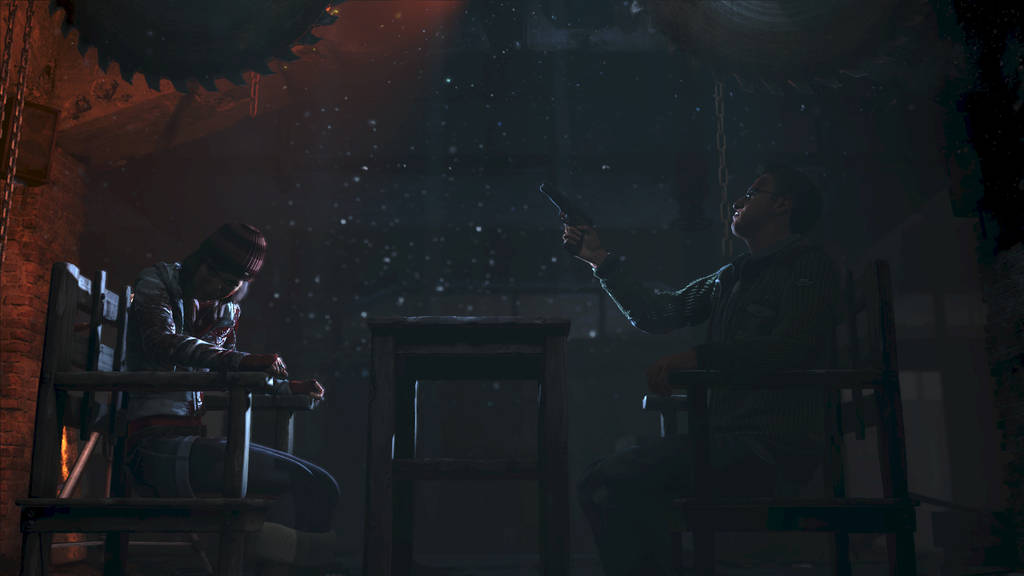
There are also occasional moments that prompt you to aim a cursor over a target within a short time limit – usually when you’re trying to attack something coming at you. It’s not too big of a deal normally, as the targets are generally pretty big and the time limit fairly generous, but when missing a shot could potentially mean your permanent doom, the simple act of aiming a cursor can get really intense. Not to mention the game sometimes decides it’s going to mess with you by throwing up an incredibly tiny target or giving you very little time to react.
Your choices and actions carry consequences ranging from almost insignificant to literal life-and-death. Cause and effect are not always clear, which could have been frustrating but instead manages to make every choice a nail-biter. Sure, tripping while running away from the killer might seem bad, but it’s not necessarily certain death, whereas a simple decision like who gets to hold onto a flare gun can dramatically change the fate of characters. It works because the game relies on the “butterfly effect” theme, the idea that small actions can lead to unknowable major consequences, and because the often gruesome consequences of bad choices are a twisted sort of reward in their own right.
The game autosaves constantly in the background, meaning you save hoarders can’t jump back to a previous saved game to undo your horrible, horrible mistakes. The finality of consequences in the game adds a layer of tension that cannot be overstated. In most horror games, when you screw up and get caught by the monster, you jump, shout, and are quickly reloaded to the last checkpoint. Until Dawn just keeps trucking along, rubbing your face in your failures during its frequent TV-style “Previously On…” sequences that run at the beginning of each chapter.
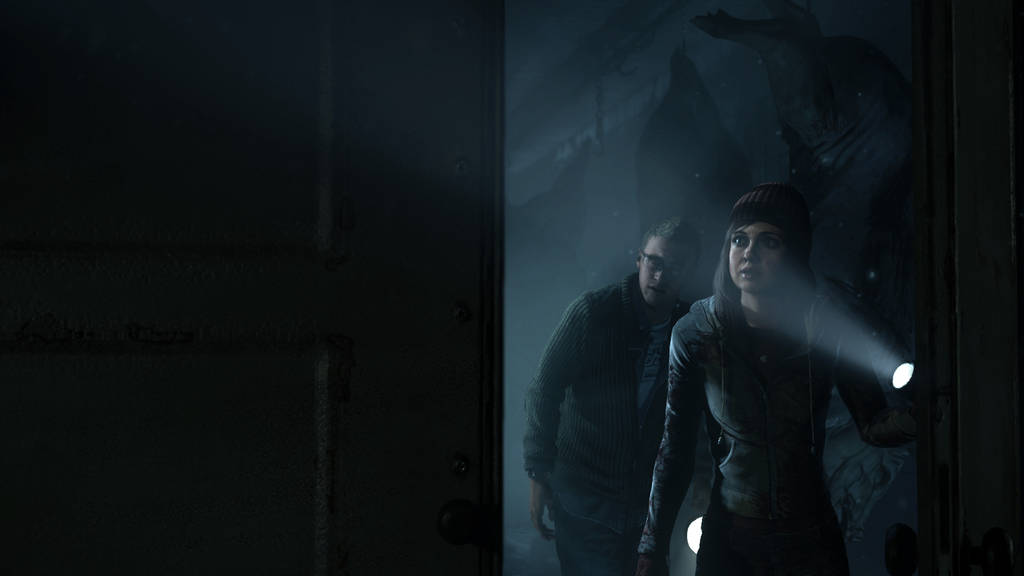
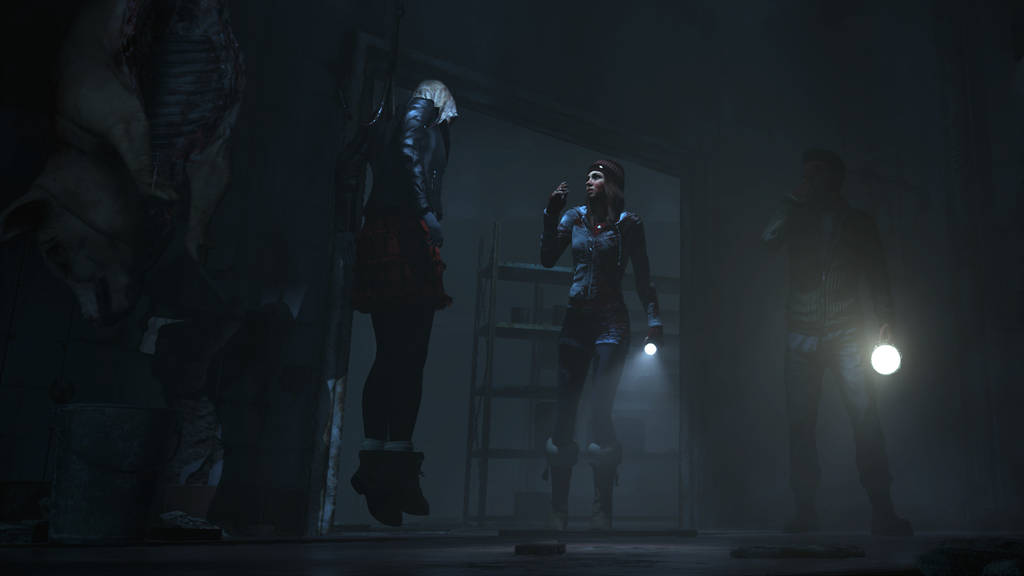
The entire game isn’t running for your life, thankfully. A good portion of your time will be spent exploring creepy locations with only a flashlight or torch, combing for clues and useful items. These sequences lean more toward Until Dawn’s survival horror influences, featuring dramatic, voyeuristic camera angles and slow-burning tension much like Silent Hill or Resident Evil, minus the combat. They even kept the clunky movement controls, which will have you bashing into doorways and angling to try to get in the right position to interact with an object. Thankfully, the game never asks you to perform time-sensitive actions using these controls.
As you explore, the game explicitly tracks found clues; pick up a photograph on a dresser or find a stubbed-out cigar butt in a weird location and the game will pop up a ‘Clue Discovered!’ message. I’ve always been a fan of games that allow you to examine notes, photos, and other objects in-world (as opposed to displaying the text in pop-up window), and Until Dawn is a treasure trove of that kind of thing.
A series of menus allow you to go back and examine found clues, piecing together some of the mysteries in the backstory. As you uncover more information, old clues are updated with the new details. Some of them might even turn out to be red herrings. Discovering clues doesn’t just give the player information, it also affects the characters’ knowledge of the events unfolding around them. While this often manifests as a few extra lines of dialogue during certain scenes, some clues seem to significantly alter certain aspects of the story. The tale will play out whether you uncover the mystery or not, reaching basically the same end point either way, but if you do investigate thoroughly, both you and the characters will have a greater understanding of the backstory and context for the killings.
The game also tracks stats for each of the characters, both personality traits and their relationships with others. Things like honesty, bravery, and romanticism scale up or down based on your choices, as well as the current player character’s affection for the rest of the cast. These stats are fun to check out but generally don’t reveal anything you don’t already know from seeing the characters interact.
The story may not break any new ground, but as far as teen slasher fare goes it is better than average. Along with the trademark terrible decision making, awkward flirting, and snark-filled banter between the group, there is also a solid amount of character development. You’ll waver between hating and loving just about everyone as the sense of dread peels away their affectations and reveals different sides of their personalities. While the game initially seems to be a grab bag of horror clichés, the way the various threads of the plot come together is far cleverer than I initially expected. Each path through the story feels definitive and coherent, which is a major accomplishment considering the game can end with either everyone alive, everyone dead, or just about any permutation in between.
Replaying the game pretty quickly reveals which parts are not quite as malleable as you might have thought, while others change in ways you hadn’t expected. This is still a relatively linear story with character actions and sequences that need to play out – it’s not as if anyone can die at any time. But critically, during your first playthrough it feels that way. As such, throughout the game’s eight or nine hour duration, every choice seems important. Do I take the shot or just try to run and save my only bullet for later? Take the left path or right? Do I reassure Chris or shame him for freaking out? Do I lock this door to prevent someone from following me, or leave it unlatched in case I need to make a quick escape?
That uncertainty lends weight to what might otherwise be a decent but dull exercise in slasher flick familiarity. Instead, Until Dawn feels uniquely engrossing as you laugh and scream your way to its grisly conclusion. Sharp writing, great atmosphere, and clever branching plot paths elevate the game to arguably one of the most successful attempts at an interactive movie experience to date. It’s also, like I said, an amazing party game. So get some friends together – even ones who don’t normally have any interest in games – pass around the controller, and settle in for a memorable night of watching teenagers flirt badly and die horrible deaths.
Latest Gaming Articles
All Articles