


The Journey Down – Theo Waern

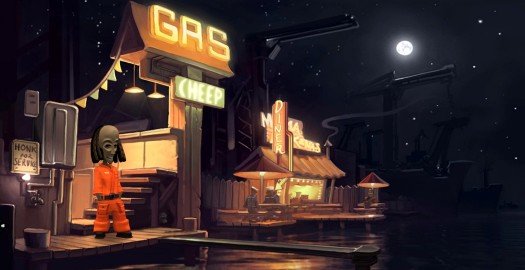
[b]AG:[/b] English voice recording seems to be a major hurdle for developers in Europe. In this case, you had the additional challenge of asking for some very particular accents. How did you approach the process once you decided to go that route?
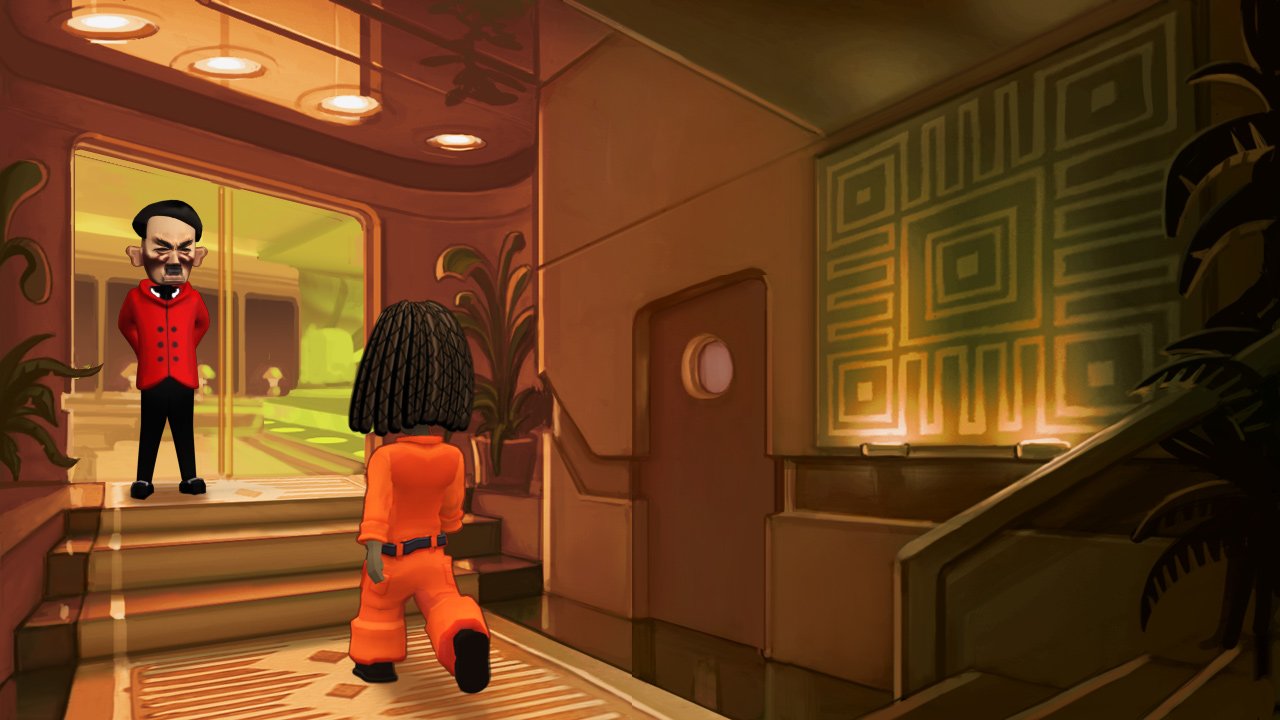
[b]Theo Waern:[/b] Voicing TJD has been an incredibly rewarding but tricky task to handle. As we’ve been on an extremely limited budget (we’re independent, after all) we didn’t even consider the option of paying someone to handle voicing, and no less paying the actual actors. So yes, finding fitting actors that are willing to invest themselves in a project of this magnitude, for free, was extremely difficult. I must admit I feel kind of bad for not even being able to pay our main cast for their effort, but there simply have been no funds available. I sincerely hope to be able to make enough dough on chapter one to be able to at least pay the main cast something when working on chapter two, but who knows? They certainly deserve it.
The actual process was pretty straightforward, I spent a lot of time headhunting on voice acting forums and did my best to outline the project and our needs, and sure enough, lots of people were interested and we got tons of auditions. Lots was sub-par but lots of it was really, really good. There is a lot of talent out there just waiting to be picked up!
We also did some last-minute recordings here at the SkyGoblin office; among other things, you’ll hear my beautiful distorted voice in act two, asking for coffee.
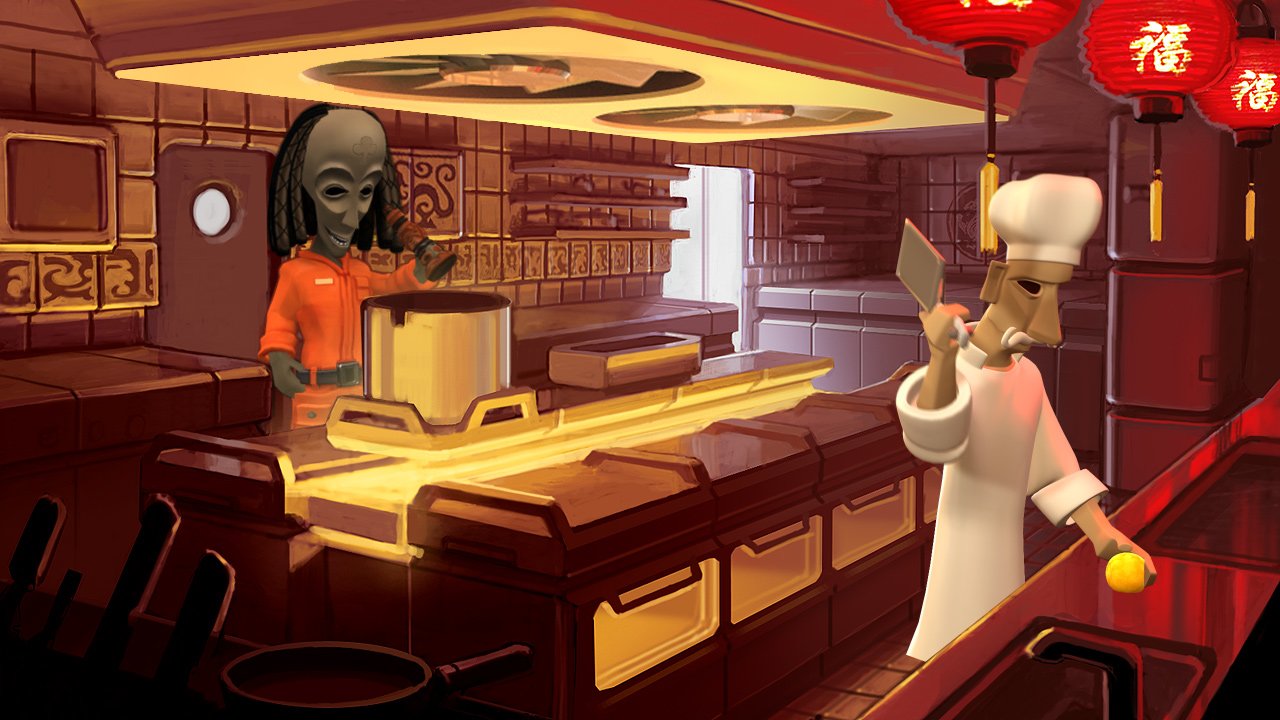
[b]AG:[/b] Have there been any unexpected surprises during development of the remake?
[b]Theo:[/b] When we started the HD project, we (or at least I) naively believed we could easily pull it off within the limitations of Adventure Game Studio. It quickly became apparent that this wasn’t the case. I’m not sure this qualifies as a surprise, but it certainly put a big dent in our schedule.
AGS is an amazing toolkit in very many different ways, but it isn’t built with high resolutions in mind and for this reason didn’t work out very well for us with our HD demands and all. This caused us to quickly change course completely and build our own engine and editor, which opened up the great opportunity of also porting the game to several platforms, something I’ve long dreamed of doing.
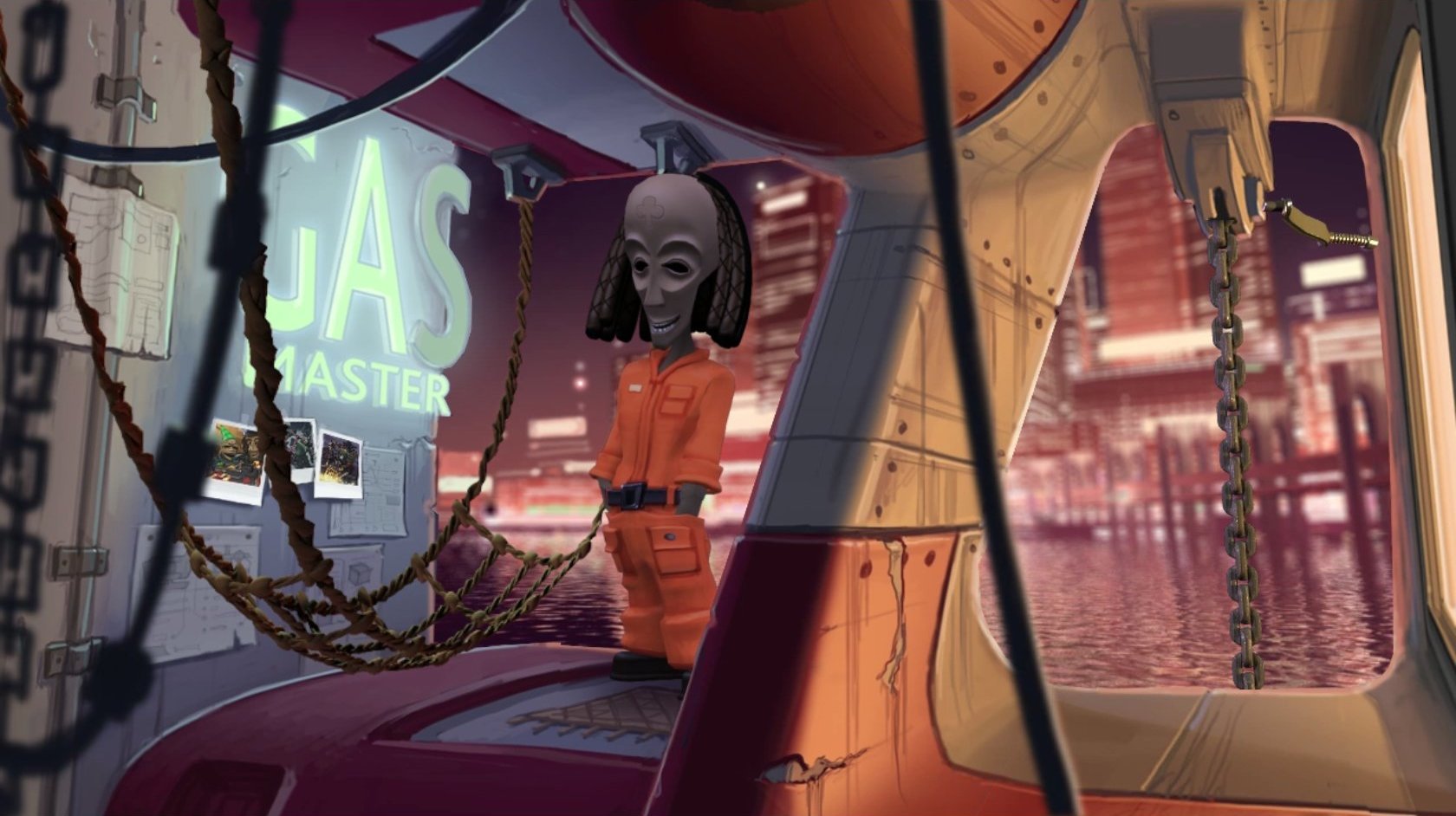
[b]AG:[/b] For anyone thinking this is just a standard old adventure wearing a black African mask, tell us what makes your game so unique.
[b]Theo:[/b] The cultural fusion of TJD does indeed make it unique, but that’s certainly not its only selling point! I’d say one of the key features is the way the story, puzzles and interactions flow in and out of one another organically, truly making it stick out from similar games in the genre. This is not magic, but simply the result of very, very, very much testing on very, very, very many different players. Good gameplay design is always the result of good testing. (Thanks testers, you rock!)
[b]AG:[/b] What would you say to someone thinking “I can play pretty much the same game for free; why should I pay extra for practically the same thing?”
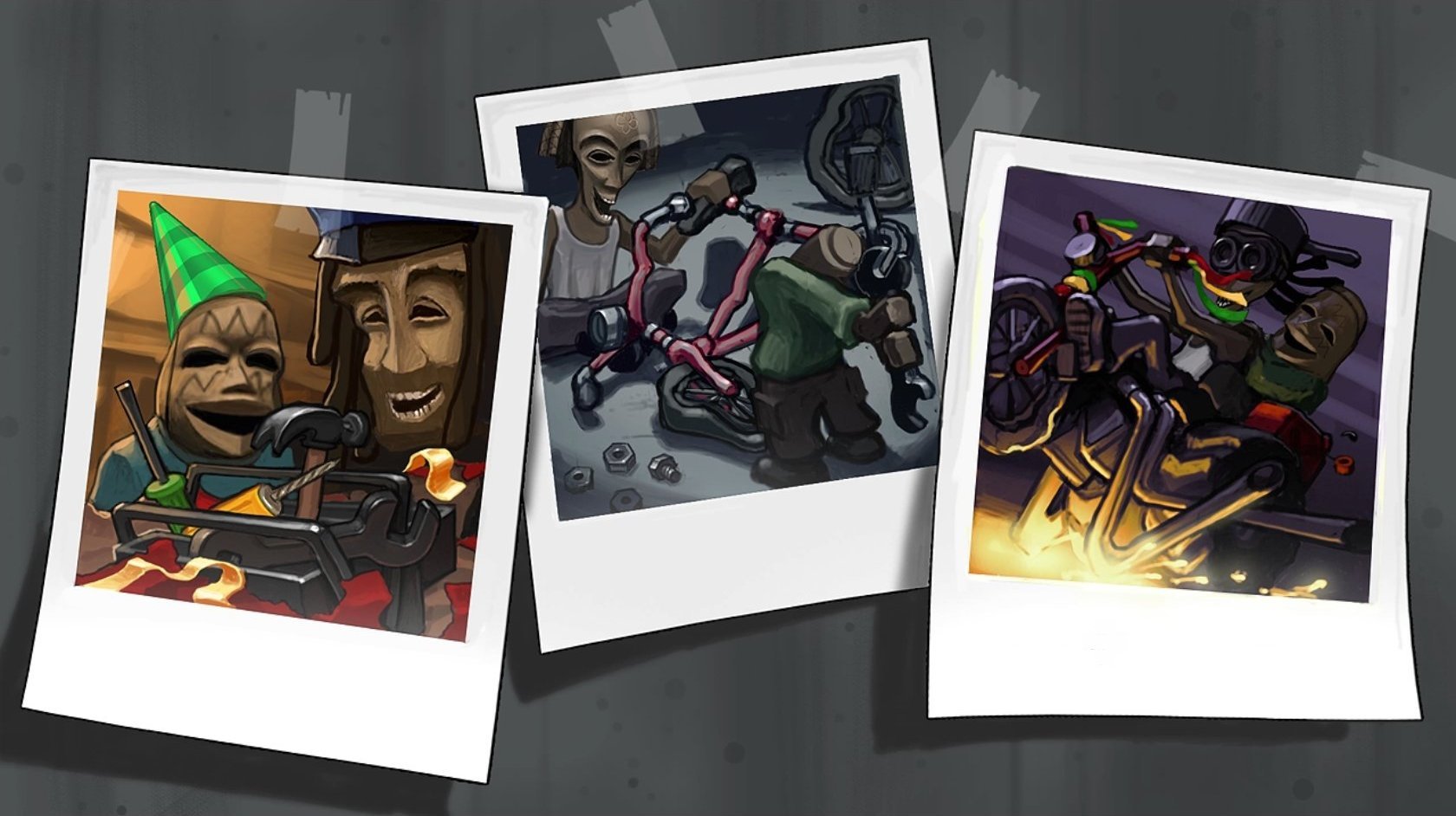
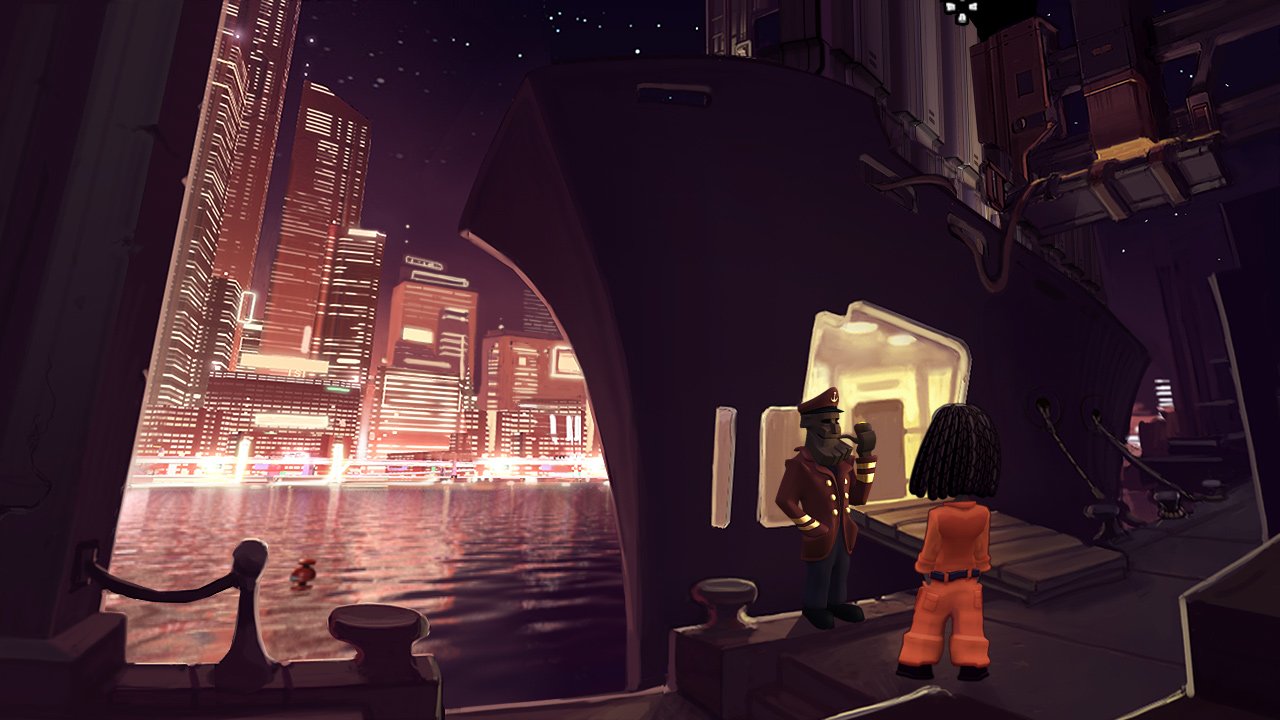
[b]Theo:[/b] First off, you’d be missing out on a lot of puzzles and back-story if you settled for playing the original; in those respects we have expanded the game greatly. Another good reason to buy the HD version is to help support our future development. We will build the following chapters no matter what, but more funds means we can focus more on TJD and thus get the chapters out the window with shorter gaps between releases. Win-win for everyone!
Original and HD comparison screens
[b]AG:[/b] The first episode really just scratches the surface of the larger story, mainly introducing us to the main characters. What can we expect in the three episodes to come?
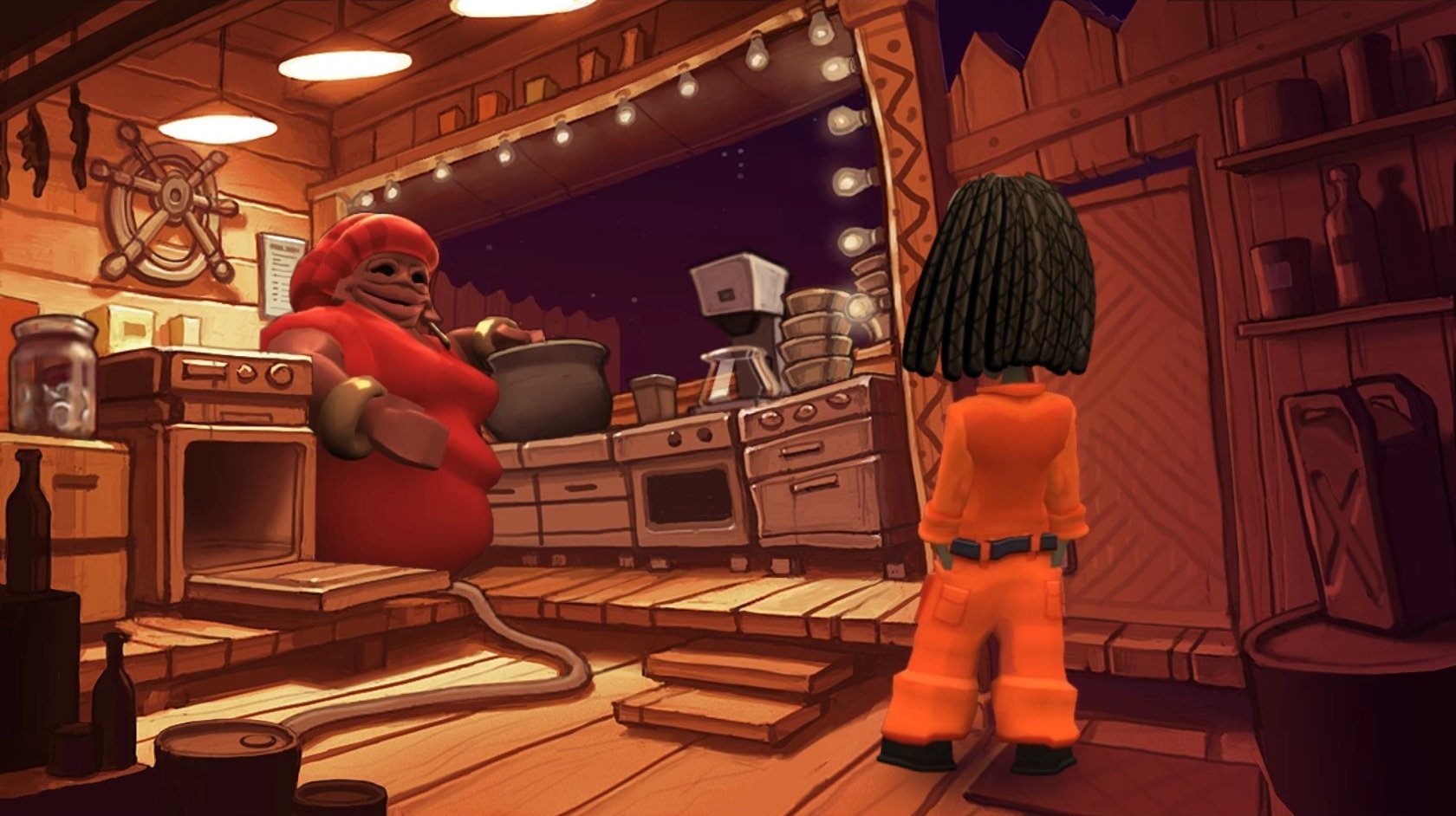
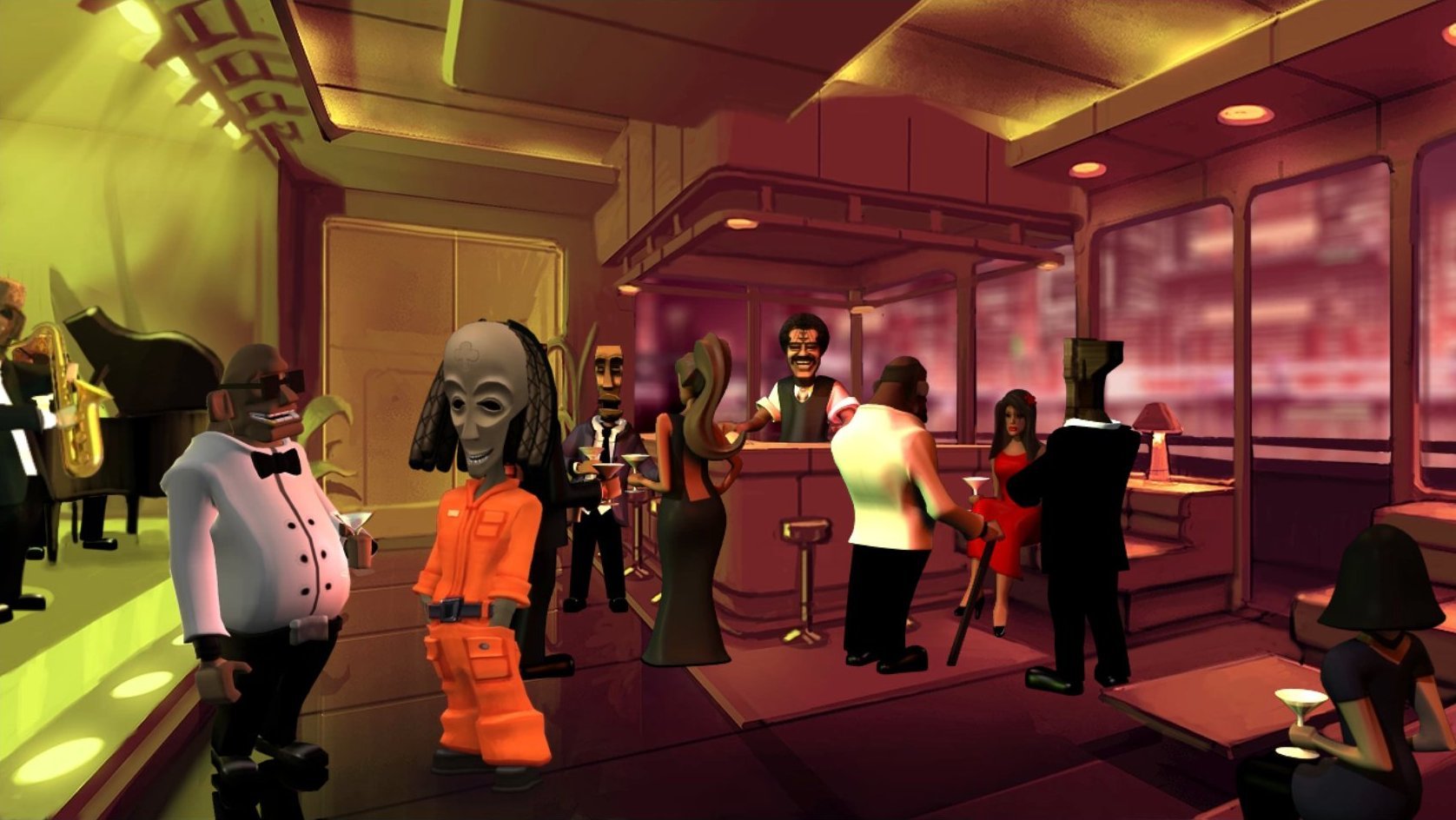
[b]Theo:[/b] The four chapters offer a wide range of different characters and plot twists, ranging from the clever to the bizarre. The plot in itself becomes a lot more dark and sinister in the following chapters, as Bwana and Kito start coming to terms with the world around them. Everything isn’t quite as hakuna-matata as the duo perhaps wishes it to be. Along the journey, the player will encounter everything from rainy cityscapes to dense tropical jungles, with each chapter having its own specific over-all setting.
[b]AG:[/b] You’ve said the original game took you five years to make, plus another year and a half for the updated version. Presumably you plan to finish the series sometime before 2030. What kind of timeframe are we realistically looking at between episodes after this game is released, and what will account for the significant increase in production?
[b]Theo:[/b] Much of the groundwork was baked into those first five years. I’ve got the whole story and subplots figured out and all locations and characters exist in one sketchy form or another in my piles of sketchpads, so much of the actual “thinking stuff out” part has already been taken care of. Also, technology-wise our new engine and development environment are now ready and just waiting to keep on being used for the following chapters.
This means that from now on we will be able to focus purely on the actual development of the game and its assets and not on other time-consuming stuff such as, well, using our brains.
Latest Gaming Articles
All Articles