



Steve Gaynor – Tacoma

[b]Ingmar[/b]: How important is the aspect of zero-gravity in Tacoma?
[b]Steve[/b]: Relatively speaking, there’s only a little bit of zero-gravity in the game. In an earlier version, there was a lot more of moving between different surfaces that you were attaching to, and kind of moving through zero-gravity to do that. At that point, we rebuilt the station to be constructed more like a centrifugal force station. Like a station in 2001, for instance, where the center of the station is zero-gravity, and the habitat spaces are connected by long arms that rotate to simulate gravity in the parts of the station where the crew would spend most of their time.
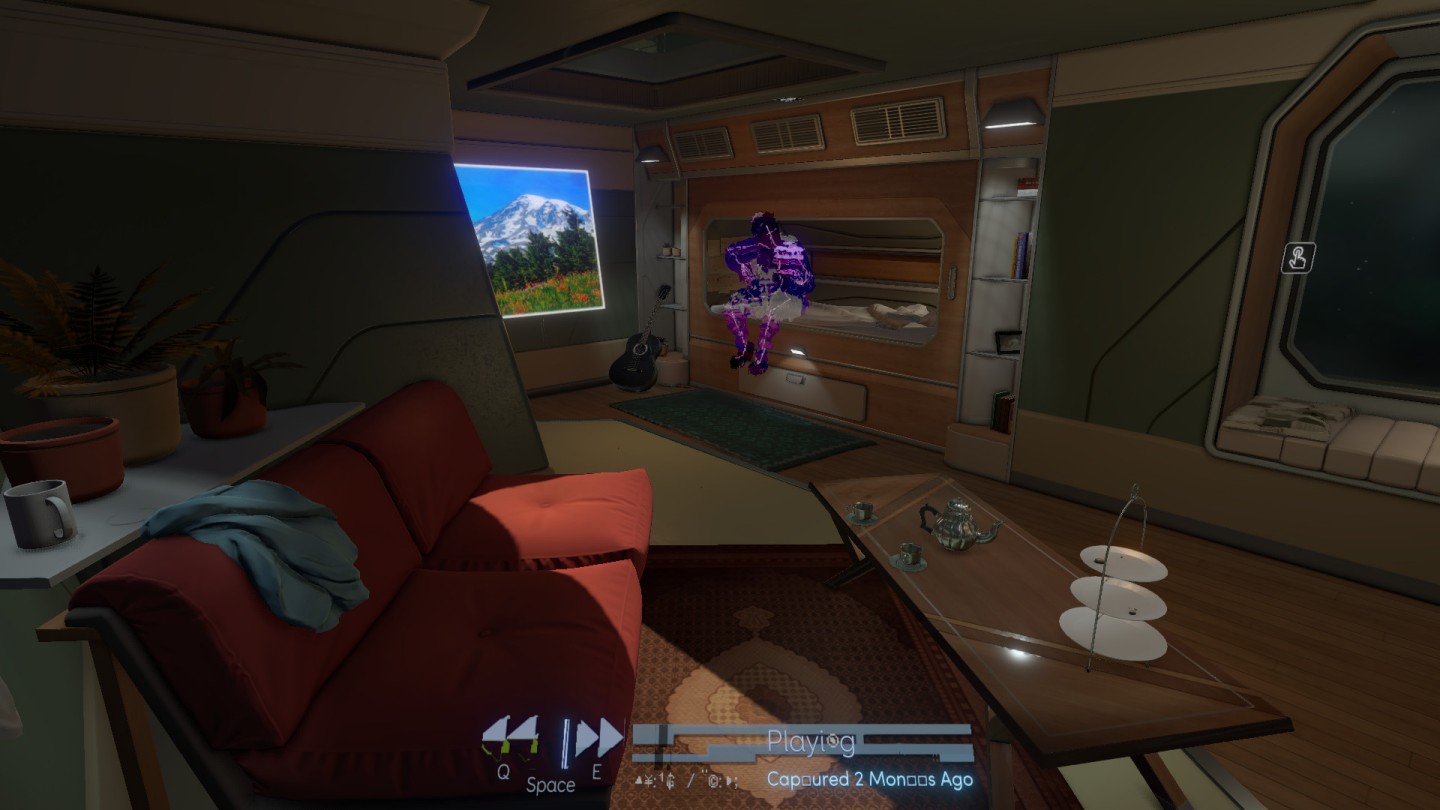
There are a few reasons why we wanted to do that. One was just a basic sense of plausibility, just this feeling of “oh yeah, I can see how people could really live in a space like this long-term” or “I can see how this might be how a company would build this space to support people living on it for years of their time.” But then, the other aspects of it are that in the earliest version of the game you were kind of always in zero-gravity but always not in zero-gravity, as in you were attaching to surfaces with magnetized boots. The world was in zero-gravity, but you couldn’t just free-float around. But, also, we couldn’t set up relatable environmental storytelling setups where people, like, left stuff on a table, you know, because things don’t stay on the table. I mean, we could have magnets on objects or whatever, but the immediacy of saying, “oh, I can see how this is where someone lived” is very different.
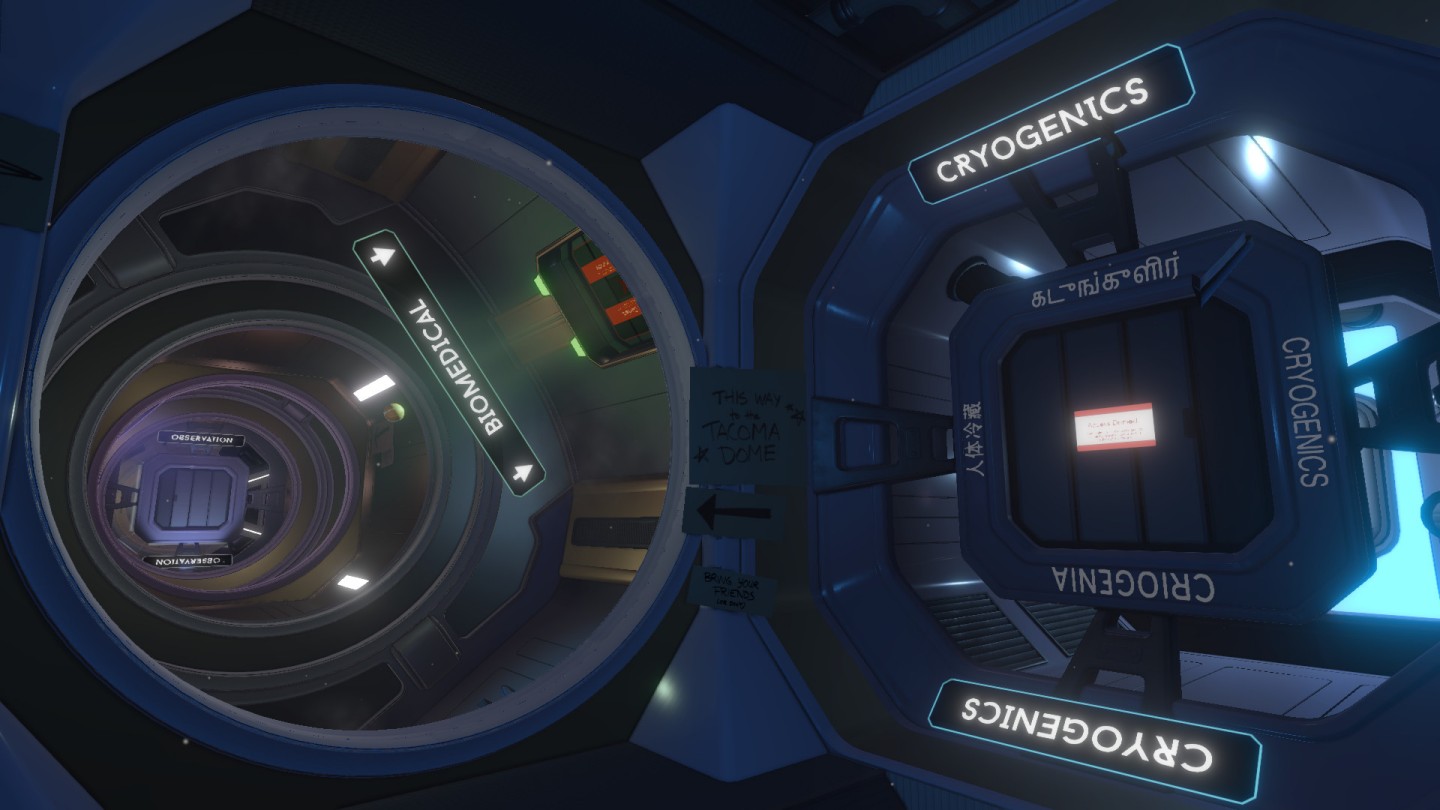
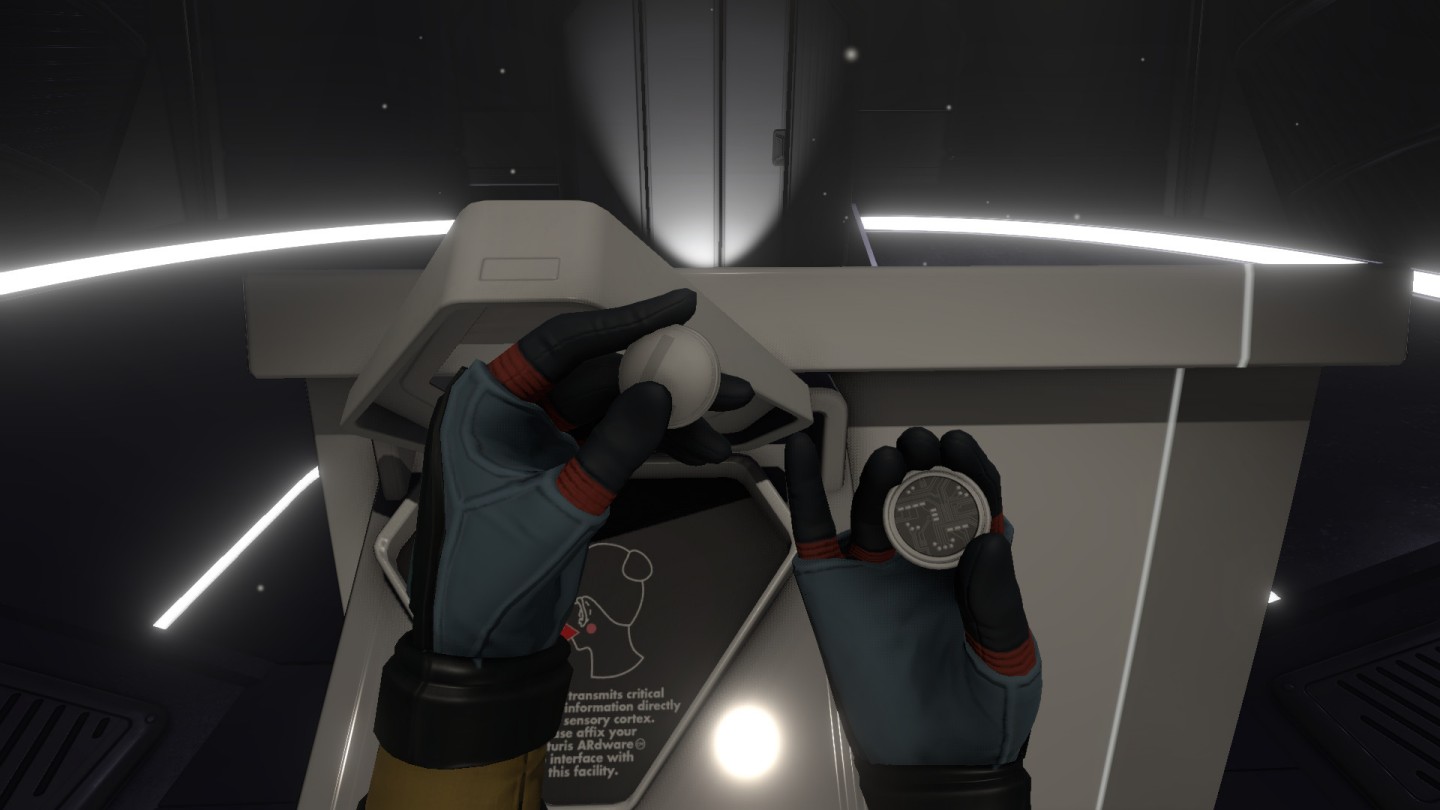
So we built it so the center is zero-gravity, and you’re just floating, and then the wings are full-gravity, and that’s where people live. Along with being able to make the habitat spaces feel more immediate in that sense, it also gives us a stark contrast over the course of the game between, “oh, I’m floating; I really feel like I’m on a space station,” and “oh, now I’m walking, and it feels totally different, moving back and forth between those spaces.” Hopefully that gives you that feel of being on this facility in a way that’s really tangible, and that we don’t have to explain or focus on it further than you’re just, “I can feel what it would be like to be in this place,” which is cool for us.
[b]Ingmar[/b]: You have mentioned 2001 as an example when it comes to the space station. What other influences can be found in its design? I’ve heard that you, for example, drew inspiration from visiting a submarine?
[b]Steve[/b]: (laughs) Oh, yeah! That was something that we did early on just because we were thinking of, “what is an environment that’s sort of like where these people might have lived?” When we were working on Gone Home, we actually went and visited this turn-of-the-century mansion in Oregon, outside of Portland, which was of the time, and large and ornate, and that we could draw some details from, and get a feel for what being in that kind of space was like. Not being able to just visit a space station, we knew that at the local science museum here in town they have a submarine that is basically just docked and you can go on tours of it. Being in that space, and looking at how they designed living spaces, and habitat spaces for very tight quarters, and just having that immediate feel for what it would be like to be this boxed-in with this many people, and you’re stuck here, and you’re not getting off this thing for a long time, how does that affect your mindset?
The station in Tacoma is much more luxurious than a submarine as far as the footprint and everything. (laughs) But it has that similar feel of, “you’re living in a constructed space, and you’re living in this artificial space with these people that you’re doing a job with, but also you can’t get away from them.” So, the social dynamic is really about how you learn to live together, and work together, and kind of become a temporary family for each other without driving each other crazy, you know? (laughs)
[b]Ingmar[/b]: You’re not only imagining how a space station could look in 2088, but also how the future could be like, and what has led to that particular future. Can you talk about that a little more or are we getting too deep into spoiler territory here?
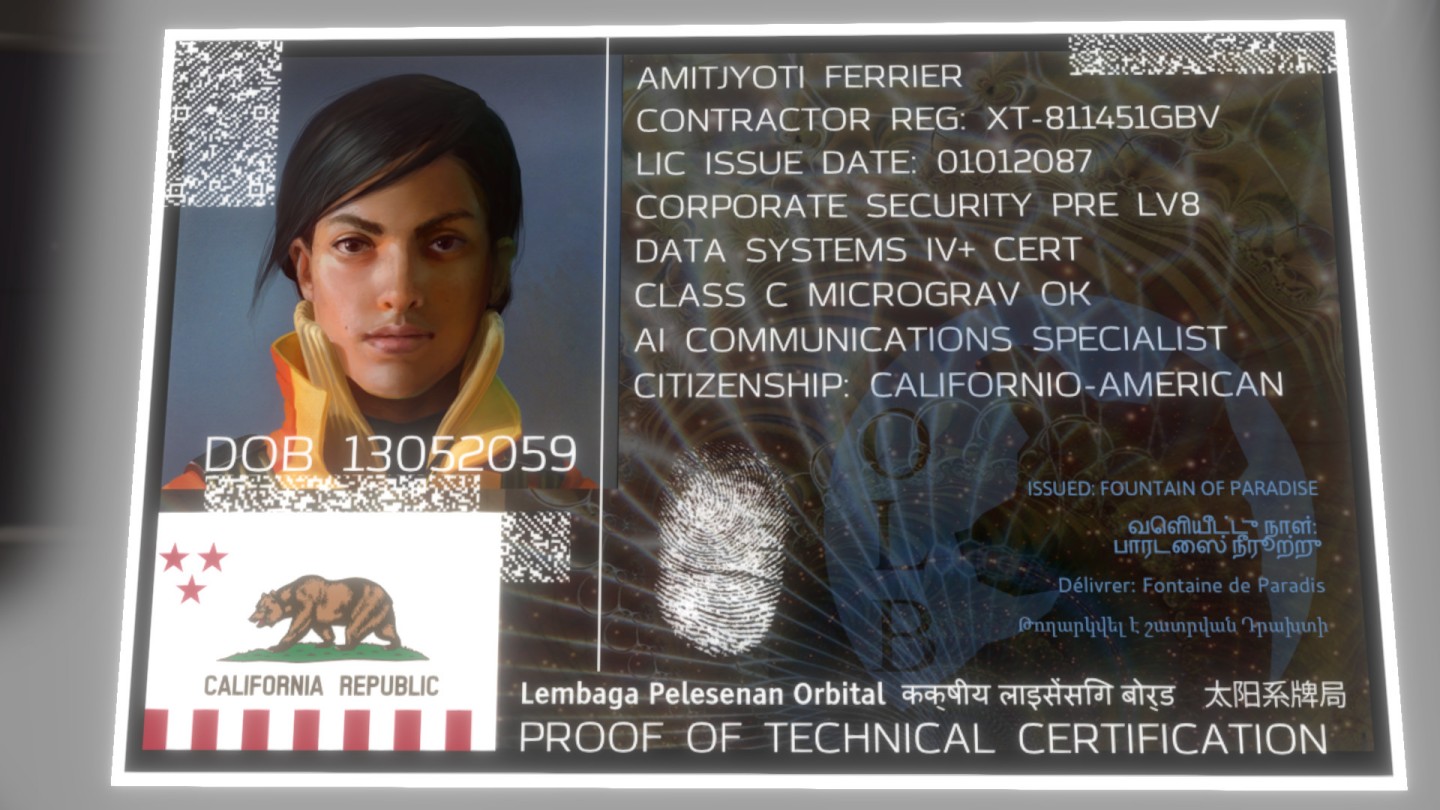
[b]Steve[/b]: No, I mean, I can certainly talk about it on some level. The reason that we set it in 2088 was to give ourselves a couple of generations ahead of us, so that we aren’t saying what’s going to happen in 20 years or what’s going to happen in 300 years. So we can kind of take our current reality as a jumping-off point for relatively immediate speculative-fiction. We’re going from our present, and saying, “where might this be leading?” and not saying everything that’s going to happen just continues on an unbroken ark forward. But also that what you see in our fictional universe, you can kind of look at our present reality or recent past and say, “oh, okay, I can see how what’s going on now or what people are theorizing might happen soon could lead to what’s happening in this fictional world.”
That’s most interesting to us, I think, because with Gone Home, we were like, “okay, we’re setting it in the ‘90s.” We were thinking of all the things that would have been in that time period, what would have been in the TV guide or whatever, being very direct with that. With Tacoma, we’re saying, “what’s happening now, what is it people think is going to be happening in the future, and how do we take that very concrete set of ideas, and the space that we’re in now, and abstract it in a way that’s hopefully interesting and surprising, and maybe goes to places that when you encounter it you don’t immediately think, “oh, yeah, that’s a really obvious idea.” But also, once you become familiar with it, hopefully there’s this feeling of, “I can see how this could be something that could happen. This is just one vision of the future that feels like it could make sense, and I feel like I’m in a real version of one path that our future could take.”
[b]Ingmar[/b]: What were your inspirations as a writer when it comes to the sci-fi aspect of Tacoma?
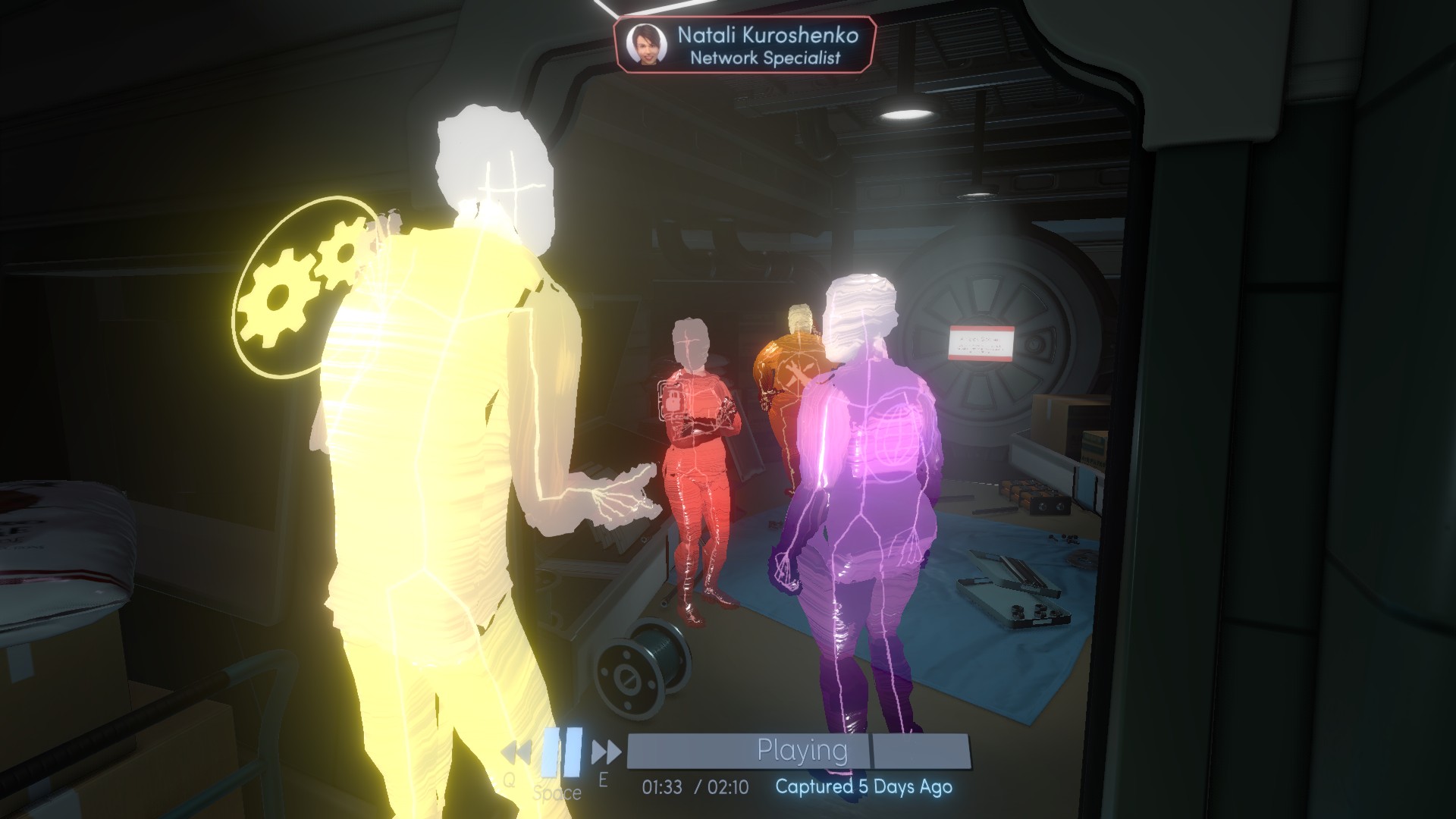
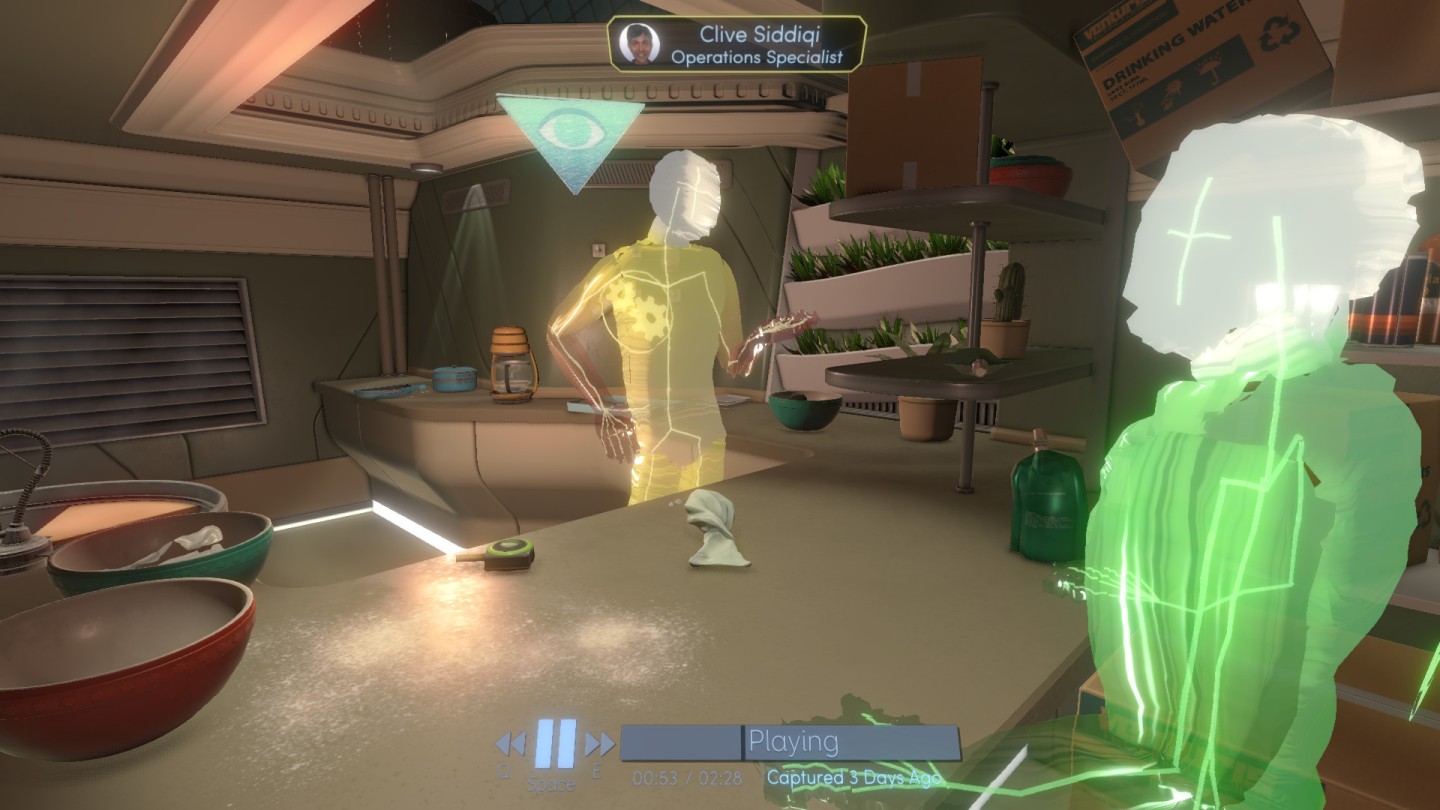
[b]Steve[/b]: The thing that we wanted to bring with us from Gone Home is that, through the futuristic and unfamiliar aspect of being on a space station, you can still really get to know these characters as individuals, and that you can feel like, “these are people I could imagine meeting” even though they’re in this totally science fiction-y setting, and they’re talking to an A.I. and everything. I think it’s that level of low-key, a little more naturalistic sci-fi that we’re really inspired by.
I mean, we go back to the dinner table scenes in the original Alien, where it was just a bunch of people having dinner. They’re on a space station, but they’re joking around, and you can imagine sitting at the table with them. Also like the Duncan Jones movie Moon that stars Sam Rockwell, and that is just about this one guy having to deal with passing time on this remote facility, and you have that feeling of, “this is just how a normal person in this situation would react to something that’s normal and every day to them, even though it’s not for us.” So, you know, those kinds of moments or those kinds of sci-fi pieces where you can get this feeling of, “it’s interesting to see what something that would be mundane to these people is like.” Familiarizing yourself with that, being like, “wait, why is this normal? Why aren’t they reacting to this differently? Oh, it’s because of this or that aspect of the world-building, the universe or the stuff that you’re discovering as you play.” So, that stuff is inspiring to us.
[b]Ingmar[/b]: Speaking of characters, I noticed that one of them is named Roberta Williams. Seems like someone on your team must be a big fan. (both laugh)
[b]Steve[/b]: Yeah, for sure! You know, one thing is that for me, just as a writer, I sort of like it when a fictional character happens to have the same name as a real-world person. (laughs) It’s a little bit of a trope or whatever, but I think it’s fun, so I just wanted to do that.
But then, expanding from that, I hope that part of why what we do is interesting is because I feel like we have our feet equally in the lineage of classic adventure games, and in immersive first-person RPG Looking Glass-style games. I feel like both Maniac Mansion and System Shock are equally influential on me, and on our stuff. It was like, “if somebody on the crew has a known person’s name, who would it be?” And having that acknowledgment of the people that started what these kinds of games are – at this point so long ago – was something that I hope feels like a legit homage to one of the very earliest pioneers of adventure games.
Latest Gaming Articles
All Articles