



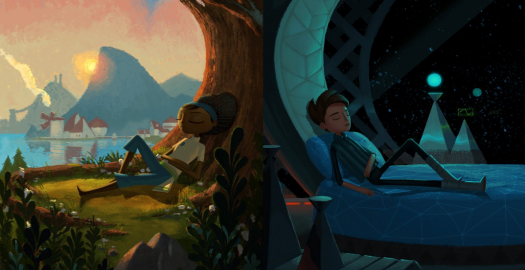
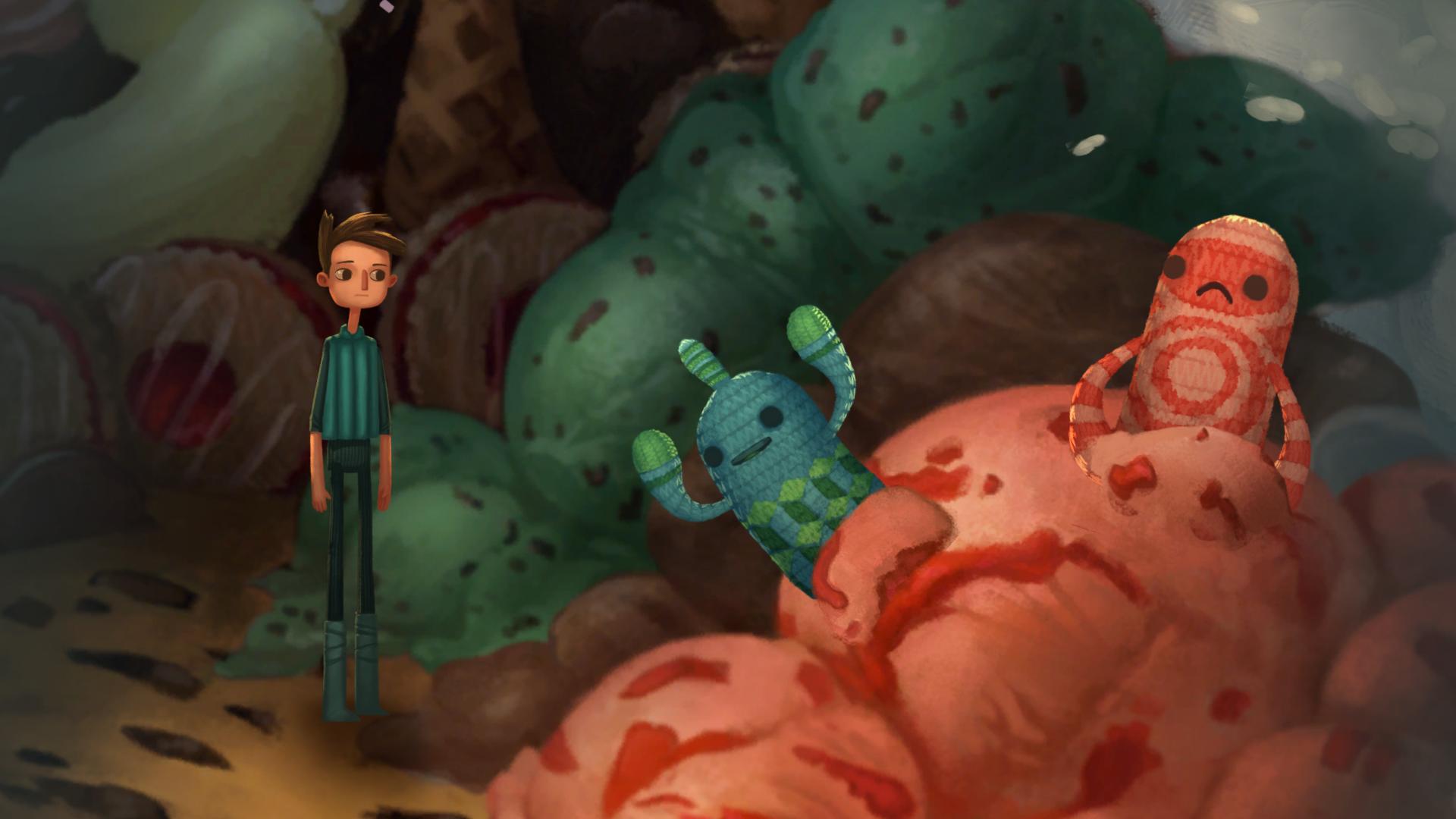
Broken Age preview

[b]Emily Morganti[/b]: You went into the Kickstarter not knowing how it would go; maybe the game would be really small and weird but you’d have a cool documentary about it. How has that process been, having people with cameras filming your inner workings?
[b]Tim Schafer[/b]: It’s been great for me because I really liked telling the story, just because I’ve been doing game development for so long and I felt like most people don’t know what really goes on when you’re making a game. … It’s this weird thing to make software that’s entertainment, and all the problems with software, and all the subjectivity of entertainment and the unpredictability of complex software multiplied by each other. So like I said in the pitch video, either it’ll go well or it will all go to hell, but either way it’s good for the documentary, and I definitely think we’ve lived up to that.
[b]Emily[/b]: How is the response from backers who are watching the documentary and commenting on what they’ve seen? Has that changed your process at all?
[b]Tim[/b]: We invite their feedback. It has an effect on the game, a positive effect. Little things like we had this visualization test where we made up a bit character, this lumberjack; he wasn’t really part of the game, but people really glommed onto him as a character, “I love Curtis the lumberjack, I’m so sad he’s not going to be in the game.” People were lamenting it so much that I was like, “I’m going to design him into the game,” and he totally normally flows into the game, and that was just from noticing their reaction to him. It’s not like we do formal playtesting with [backers], but we do put up concept art and kind of get a sense of what they love and don’t like. We did solicit ideas once for environments, and it was like 52 pages long, this thread of just environments. There’s so many it’s hard to even read through them all, but we did pull at least two environments from that that made it into the game.
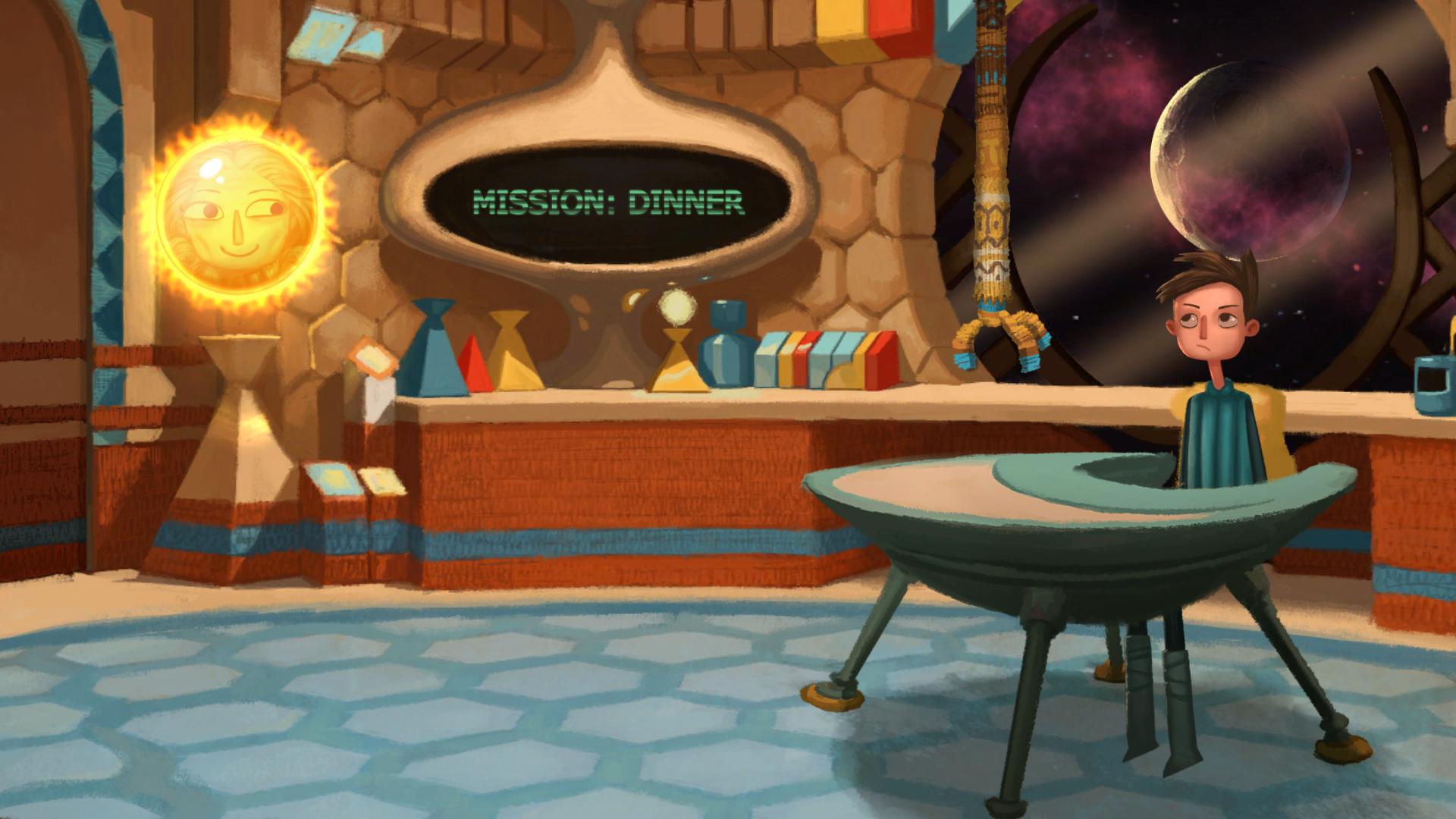
[b]Emily[/b]: Did you ever have it in your head that the game was going to include something that you backed off from after getting feedback?
[b]Tim[/b]: I guess I would say I do have an idea for how I want the game to be, but a lot of stuff that fed into the forming of that idea came from feeling like I knew the backers, from reading their comments on the forums. That they liked adventure games. … They were mostly very supportive, “you guys just do what you do,” and of course everyone has their opinion of “I think you should have a verb coin” or “I think you shouldn’t,” but I got a sense that they weren’t looking for a reinvention of adventure games.
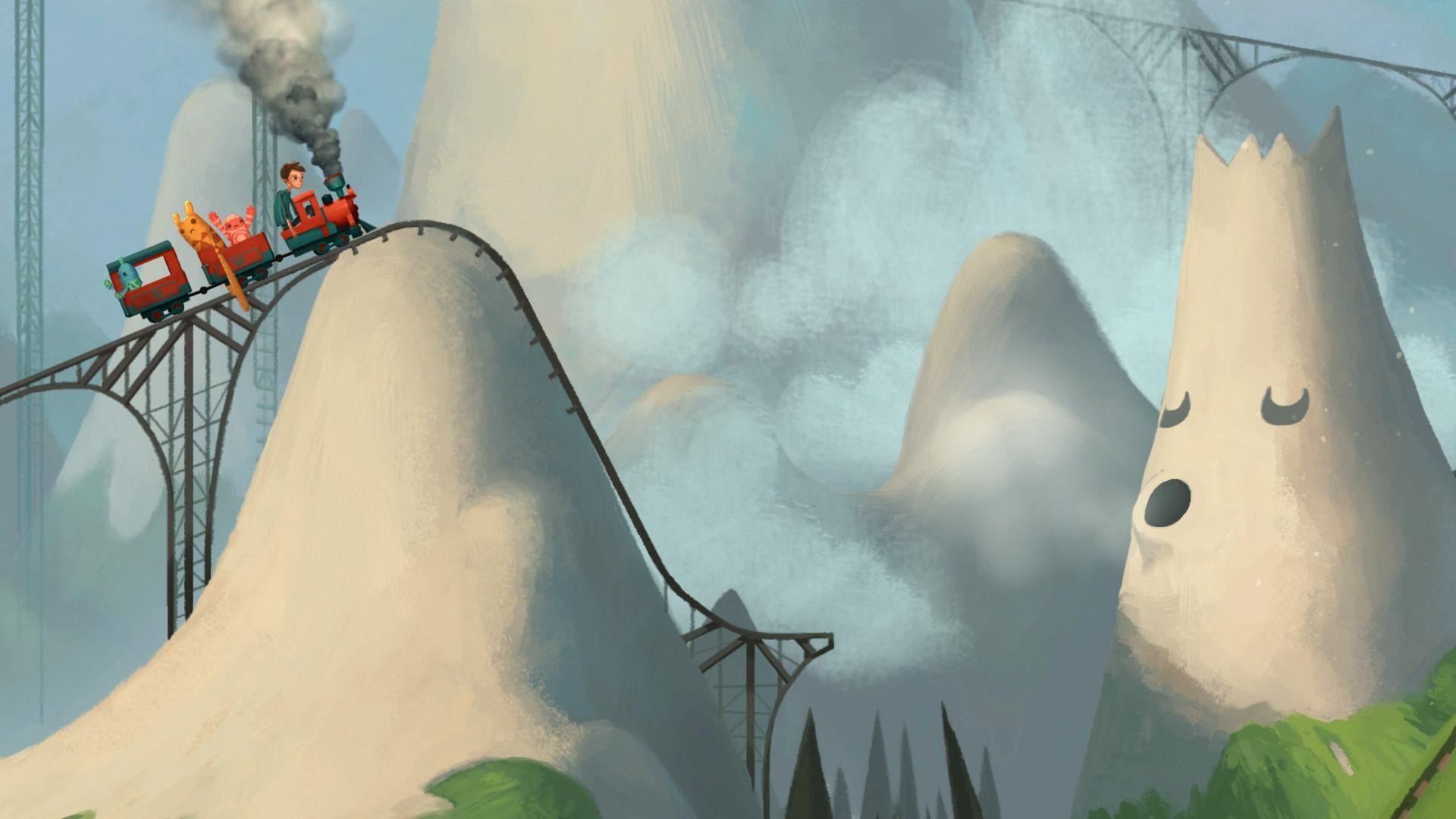
[b]Emily[/b]: Have you heard any of the pushback people have against Telltale’s games, “don’t make it too much like an interactive movie”?
[b]Tim[/b]: What Telltale is making with Walking Dead—they’ve had a lot of success with Walking Dead, and I think it’s a game that’s related to adventure games, but it’s not an adventure game really. It’s a new thing, it’s a different thing. It’s got Quick Time Events, but it doesn’t really have any puzzles. Most of the puzzles are solved by eventually clicking everything on the screen and maybe figuring out the right order to do that in. [But it has] choices of greater consequence than most adventures have. So they’re going after a different thing that’s totally valid. But the reason I had confidence to make [a traditional adventure]… it was the fact that we had all these backers, and we were hearing their voices, it created this feeling that they would be there. They gave me the confidence to make this game in this traditional way.
[b]Emily[/b]: You know that there are at least 87,000 people who want it like this.
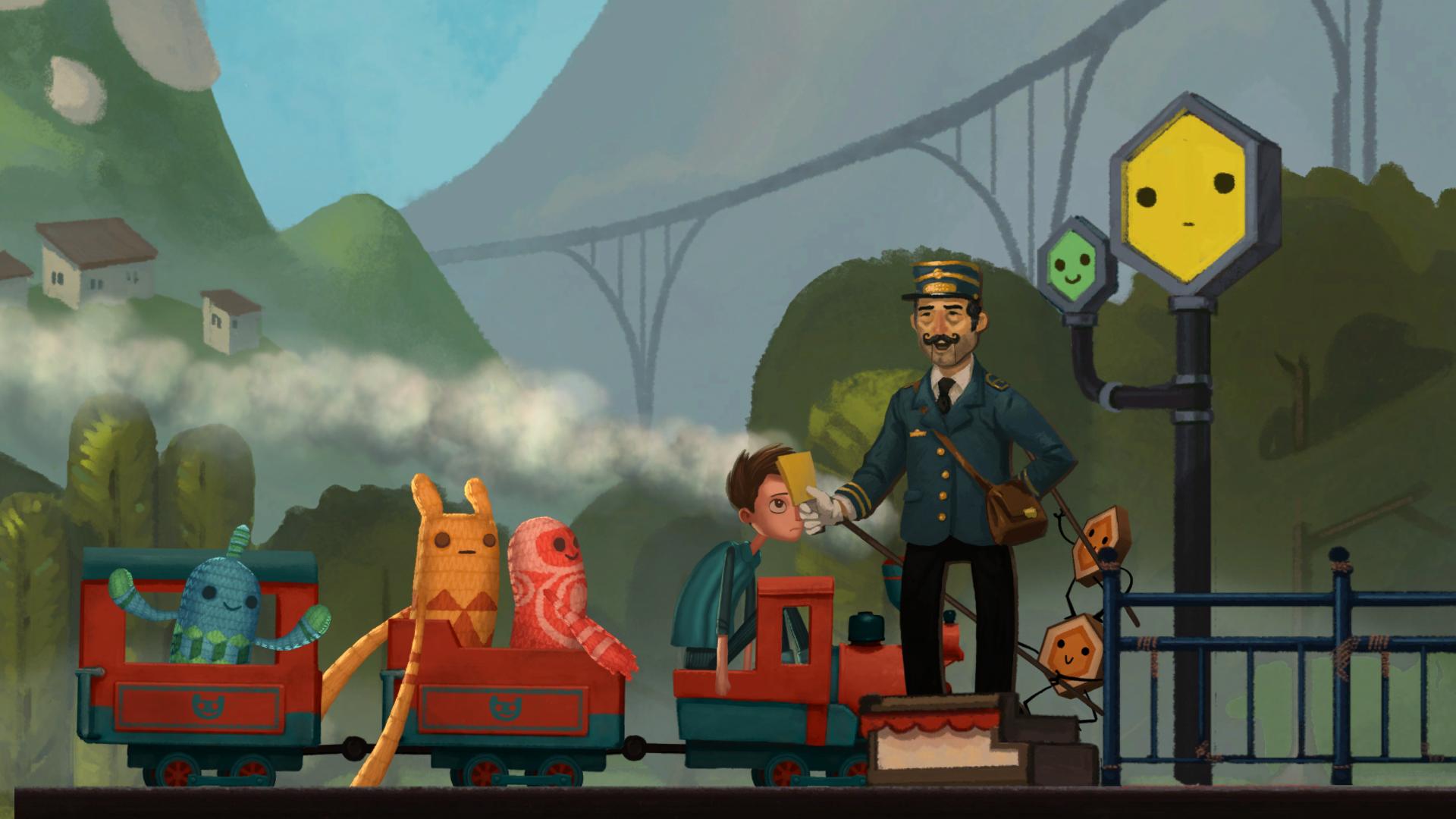
[b]Tim[/b]: Exactly. And they already paid me for it. I’m going to make it for them. And that’s even a change from what we did in the old days. A lot of people don’t realize that every single adventure we made at Lucas, there was a sense that it was a failure, from management, because they never sold as much as King’s Quest. We were trying to hit 100,000 copies or 200,000 copies, and King’s Quest was selling more than that. And so every time we made a game we would get a lecture from management. Even George [Lucas]—George would tell management, “You guys are like the Merchant Ivory of games, and I want you to be the Star Wars of games, not the Merchant Ivory of games. You make these well respected games for a small audience, why can’t you make games for a bigger audience?”
[Because] each game was considered a failure, [after every game] we’d do this exercise of “How can we bring more people into adventure games?” And that’s where things like doing full screen animation with Day of the Tentacle came from, the action sequences in Full Throttle, and making Grim 3D. That was a real commercial move, to make Grim Fandango 3D, and it’s seen as this really arty, nichey kind of game, but [actually] it was like, “Let’s make it 3D! 3D’s so hot right now!”
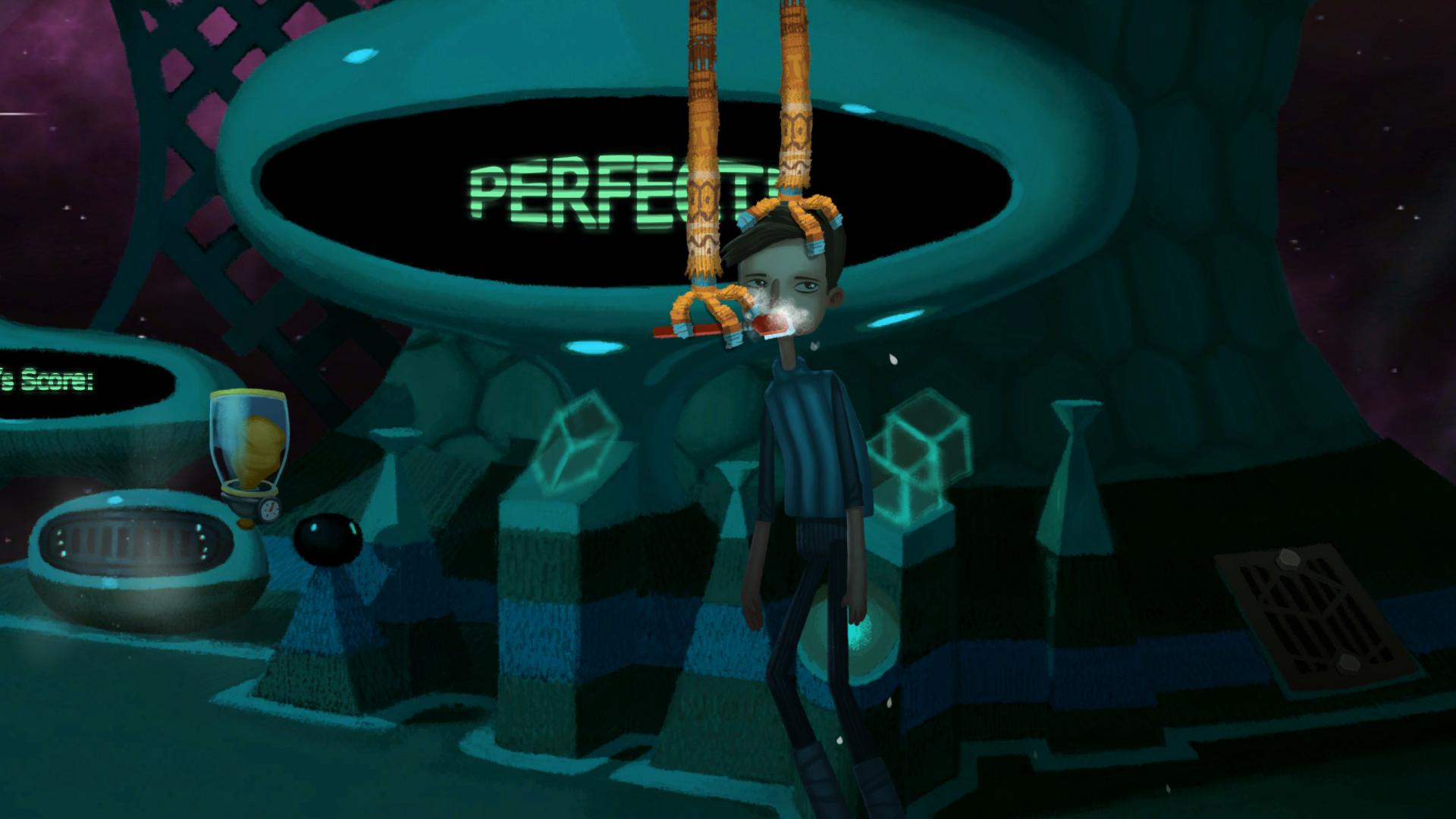
[b]Emily[/b]: Do you read reviews?
[b]Tim[/b]: Oh yeah.
[b]Emily[/b]: The first adventure game since Grim Fandango, are you nervous about that?
[b]Tim[/b]: With Brutal Legend, there was stuff in that game that I didn’t see reflected in a lot of the reviews. And I started to realize that in the end, you know whether you did a good or a bad job with the game, and it’s hard for that opinion to be changed by a review. If you thought you could have done better, even a good review’s not going to cheer you up. And likewise if you think the game is really good and you’re happy with it, a bad review can still be a bummer, but it’s not going to really change how you feel about it. I’m always going to be a little anxious about the response to something, but there’s a lot of easing into it that’s happening this time around. I mean we’re playtesting a lot, getting a lot of feedback, we’re getting the beta to the backers and we’ll get a lot of feedback from that, so it’s not like no one’s seen it and then everyone’s going to see it, this cliff that we’re going to jump off. By the time a lot of people see it we’re going to have [made] a lot of really smart tweaks to it, that hopefully will make it so people just love it.
[b]Emily[/b]: Is that different than your experience at LucasArts?
[b]Tim[/b]: It was more of a bubble at LucasArts, and also there was no internet until Throttle. Like, we’d send that stuff out and we’d get a print review months later, at that point you’d already moved on. I remember Full Throttle came out and it was my first time experiencing people on a chat room complaining about how short it was. That was my first experience with the internet and the feedback you get from that. And Grim, there was internet in ’98 for sure when Grim came out, but it was such a grueling crunch to finish it that I walked out of the office the day it shipped, I never even checked. GameSpot gave it Game of the Year and that was awesome, but I mostly did not follow up on the reviews, I just kind of walked into the desert.
[b]Emily[/b]: Obviously there’s been a lot of internet scrutiny on the Double Fine Adventure, from the very beginning, but it’s mostly been positive. That changed a bit when you announced that the game would be split into two parts. How did you feel about the backlash?
[b]Tim[/b]: It was upsetting because we hadn’t gotten anything negative in a long time and that was a big wave of negative press, but a lot of our backers came to our defense. Because a lot of the press headlines were wrong, they were like “Double Fine’s out of money” and “Broken Promises”—that was a common one. It was the first time that the comments were easier to read than the articles, because the comments were like “no, they’re not actually asking for more money,” [the backers] corrected that, and that was very satisfying. That pointed out what you get when you do something where you’re really open with the public, you are more vulnerable, but you also get a lot more people on your side, a lot of advocates, people who realize that they’re part of it, they’ll defend it like they’re defending themselves. So it brought us closer with our backers.
[b]Emily[/b]: You recently acquired the rights to Costume Quest and Stacking, which were previously owned by a publisher. Would you ever try to get the rights to Full Throttle or Grim Fandango?
[b]Tim[/b]: Yes. I would always try to get those back, and Ron [Gilbert] has too, we’ve always tried over the years. It’s hard to explain to them [Disney, who now own the LucasArts properties] why it makes sense for them to do that [sell the rights], because it does. We’re more motivated to do stuff with it if we own it, and they can take a share in that.
Latest Gaming Articles
All Articles