



Bill Tiller – Duke Grabowski, Mighty Swashbuckler!

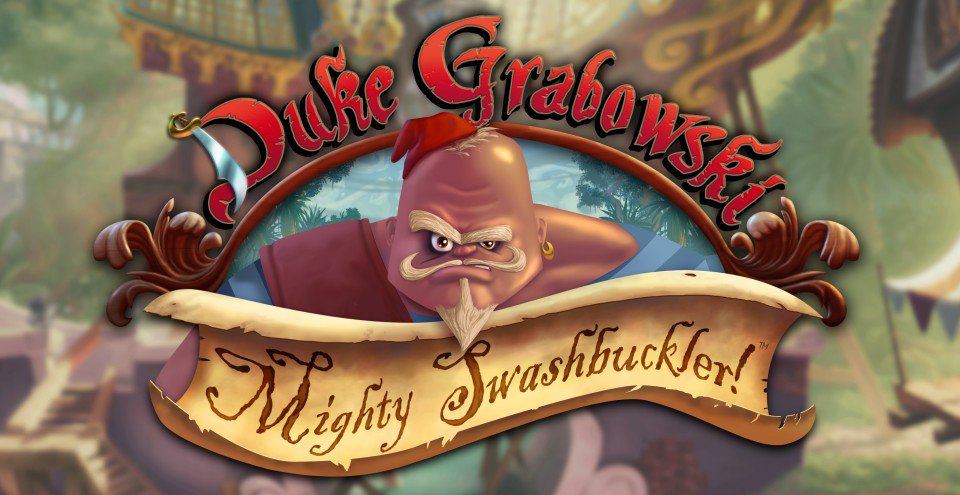
Some of the greatest videogame art of all time has come from the hand of Bill Tiller. With classics like The Dig and The Curse of Monkey Island to his credit (not to mention his pièce de résistance, the Adventure Gamers logo), Bill has long since established himself as arguably the most talented artist in the medium today. But Tiller is far more than just an artist, having designed A Vampyre Story and Ghost Pirates of Vooju Island in his post-LucasArts days.
In keeping with the piratey theme of his previous work, now Bill is back with a new game, Duke Grabowski, Mighty Swashbuckler!, which promises everything we’ve come to expect in a Bill Tiller adventure: whimsical humour, colourful characters, traditional point-and-click gameplay, and of course jaw-dropping environments. If the game is to be completed, however, it will first need to reach its crowdfunding goal of $40,000 through Kickstarter. The campaign is well on its way, but heading into the home stretch it’s going to need more support from adventure fans in order to succeed. It’s a crucial stage for the project, so there’s no better time for a heart-to-heart with Tiller himself about what backers can look forward to.
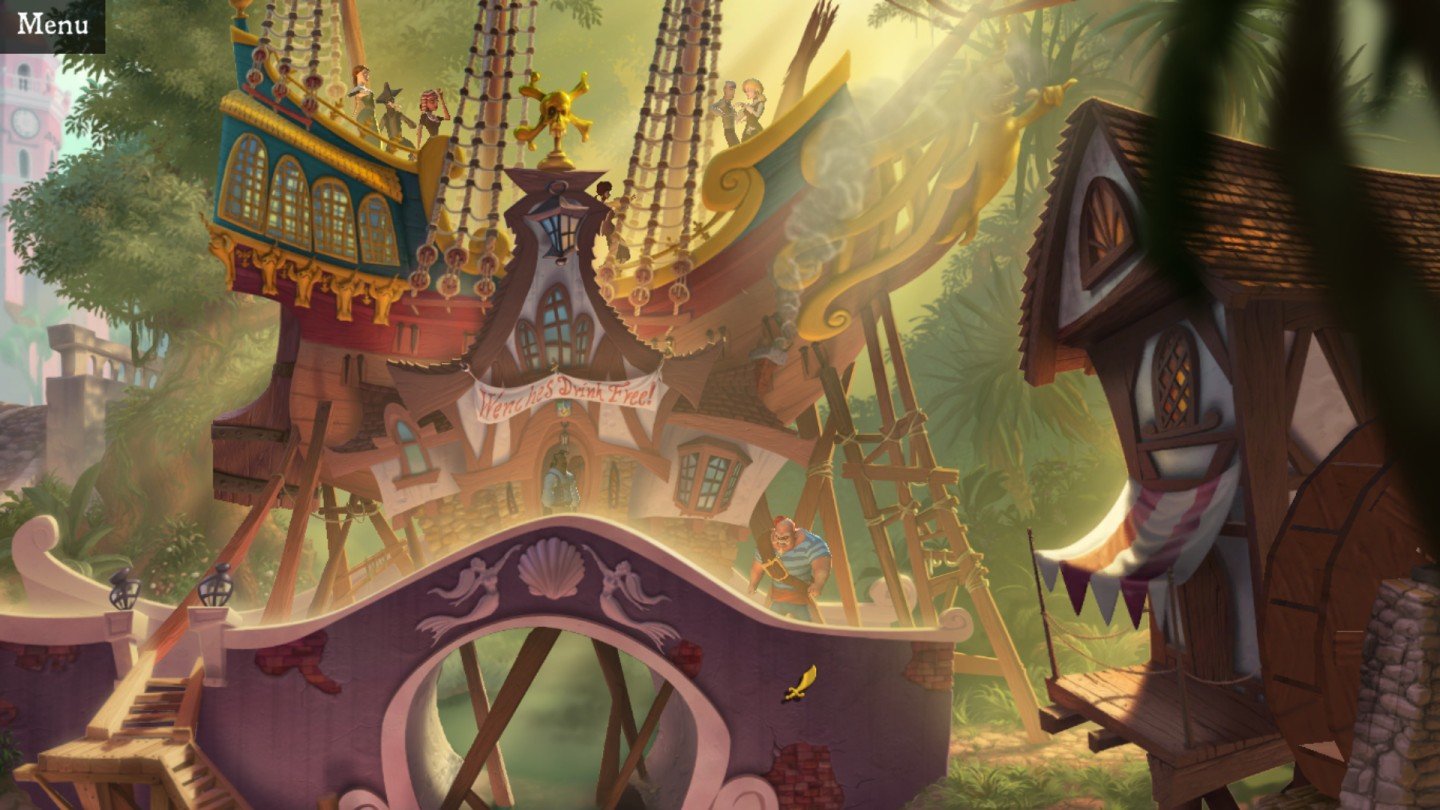
[b]Jack Allin[/b]: So, Bill. Pirates.
[b]Bill Tiller[/b]: Whenever I do art for a pirate game, I feel like I’m on a mini tropical vacation. I feel relaxed, well-rested and in a better mood.
First, there are the islands. Each one covered in beautiful foliage, sweet-smelling flowers and thick jungles. Who knows what dangers are hidden there? Many islands are active volcanos, which adds an element of danger.
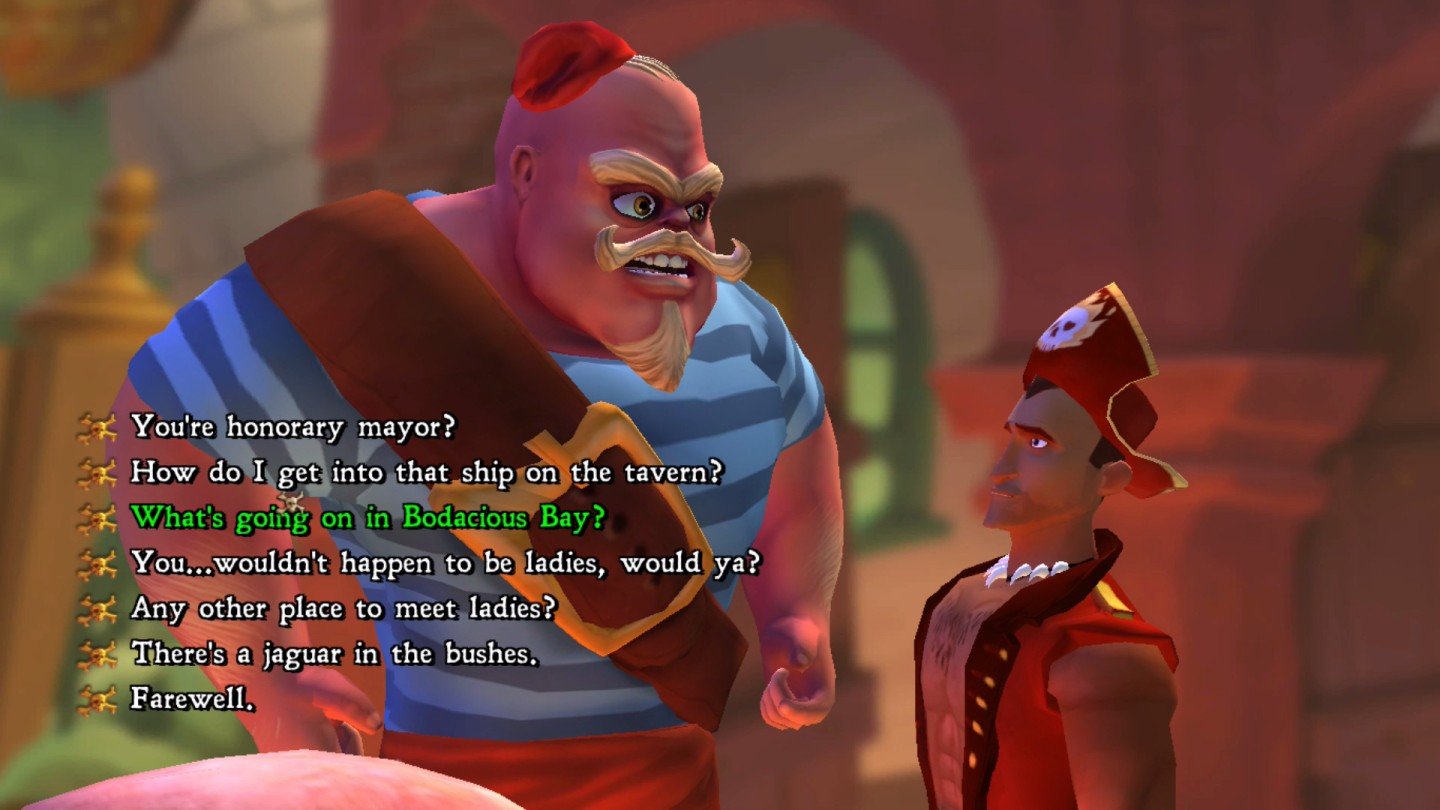
Then there’s the sea itself: warm, bright blue and clear, hiding lost cities, shipwrecks, and containing vibrant coral reefs, which are home to a menagerie of exotic sea life.
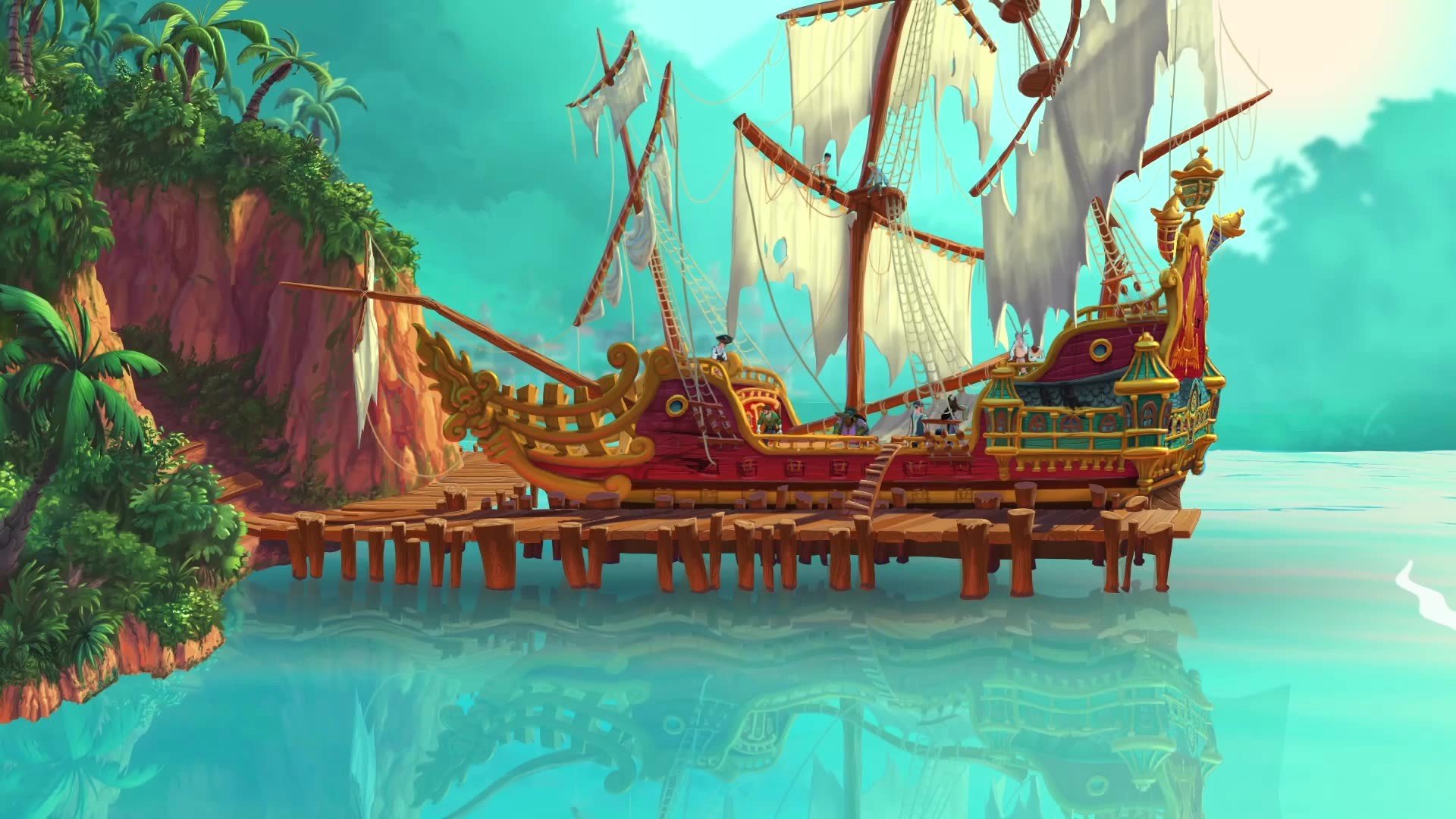
I also like the visual elegance of the pirate genre. Look at the decorations that adorn the aft castle of the galleons, the figureheads at the fore, the embroidered coats, hats and dresses that pirates wore. Even their pistols and sabers are finely decorated. Everything is shiny brass, copper or gold. Much of the architecture has gilded molding, brightly painted plaster and intricately carved wood.
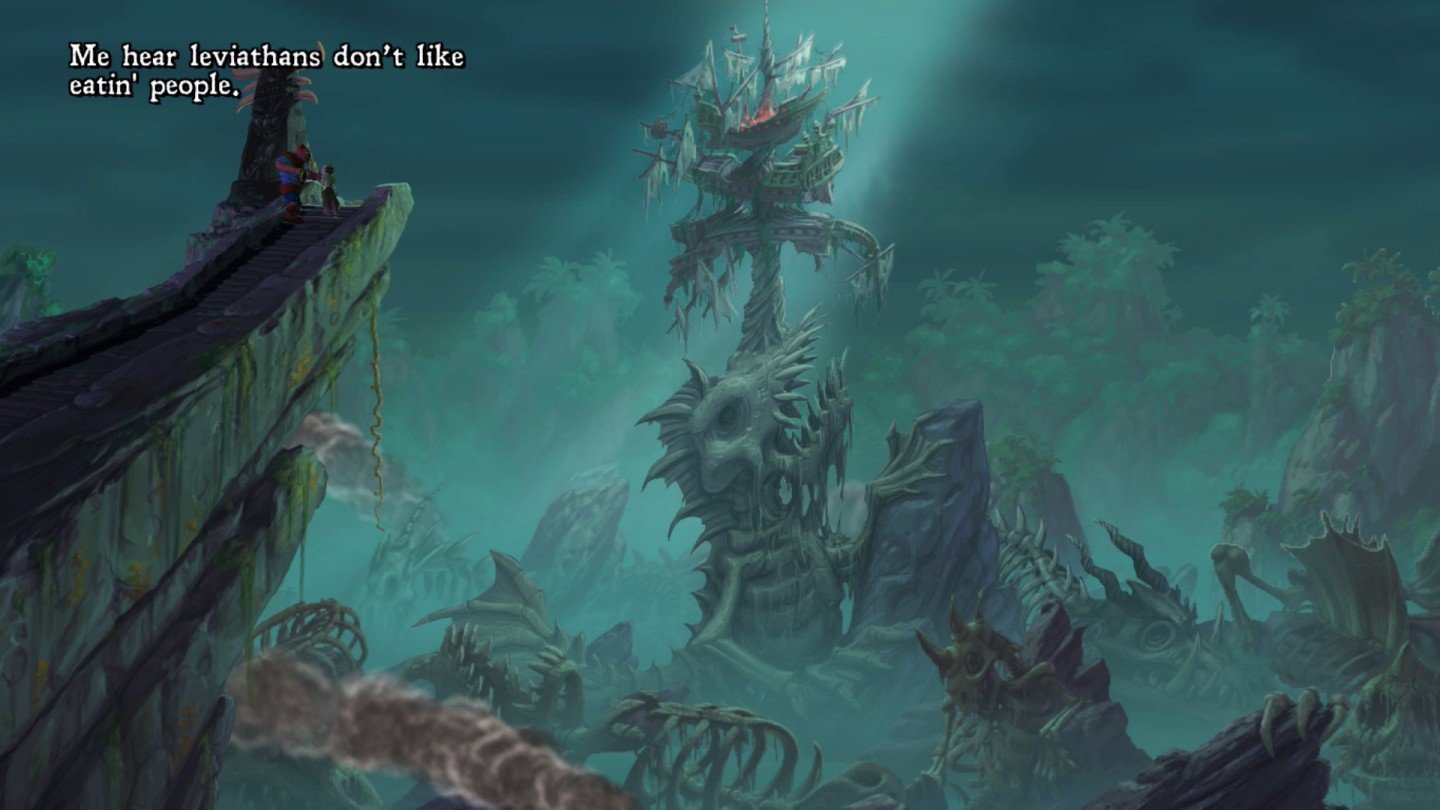
Monsters of all sorts accompany the pirate genre, including leviathans, ghosts, mermaids, zombies and skeletons. Throw in the Mesoamerican monster myths and the wide variety of dangerous tropical animals (jaguars, snakes, spiders, apes, feral chickens) and that adds another layer of danger.
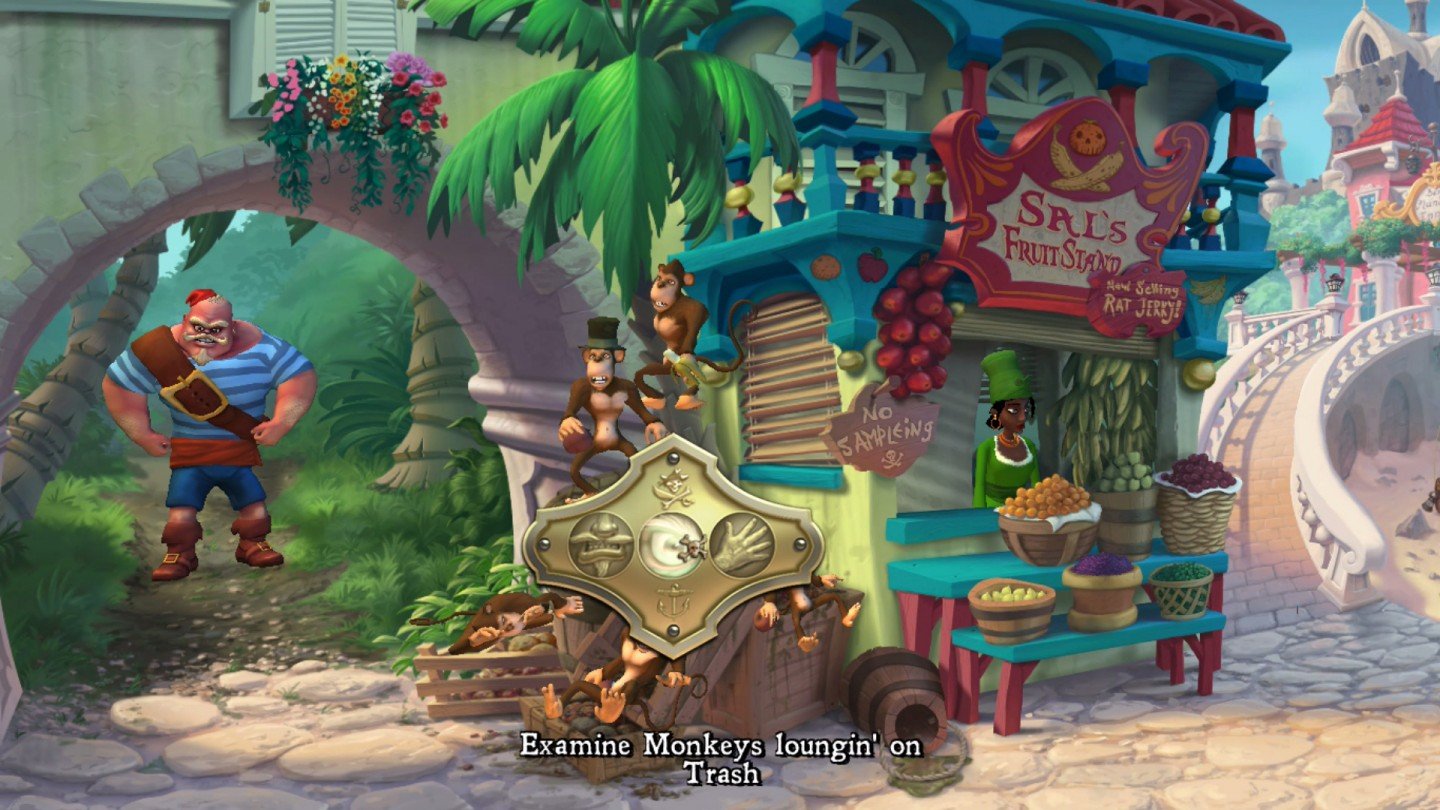
The pirate genre is set in the Age of Exploration, where peoples and cultures collide. The geography is populated with a wide variety of ethnicities and cultures, including Carib tribes, Mesoamericans, West Africans, Spanish, English, Portuguese and Dutch.
Being able to have a lot of independent, strong women is nice, too. Women had more power and respect among pirates than in civilized society. As long as you held your own in a fight, other pirates respected you, regardless of gender.
And the cherry at the top of the pirate setting is, of course, the treasure, the filthy lucre, the booty – whatever you want to call it. There is just something about seeing mounds of gold, gems and jewels that excites a person. It’s beautiful and it can make you rich and powerful. It’s always hidden away, challenging to find, usually requiring you to decipher an enigmatic map or code, and always guarded by something dangerous and mysterious, such as nefarious traps, evil curses or the undead.
I think pirates are very appealing on a psychological level because a pirate is basically a rebel who has escaped tyrannical oppression. They are lowly sailors who risk their lives out at sea, and in many cases were pressed into service against their will. They were ruled over by the rich, well-educated upper class who despised them. Themes about the struggle of the hard-working poor against an oppressive elite are universally appealing. There’s a reason why Errol Flynn played both Robin Hood and many pirate captains – they are essentially the same thing: heroes who rob from the rich and give to the poor.
(In the pirate’s case, the poor is themselves.)
Pirates instituted democracy well before the United States or Europe, installing rules to preserve each individual pirate’s liberty. Sounds a lot like the Bill of Rights.
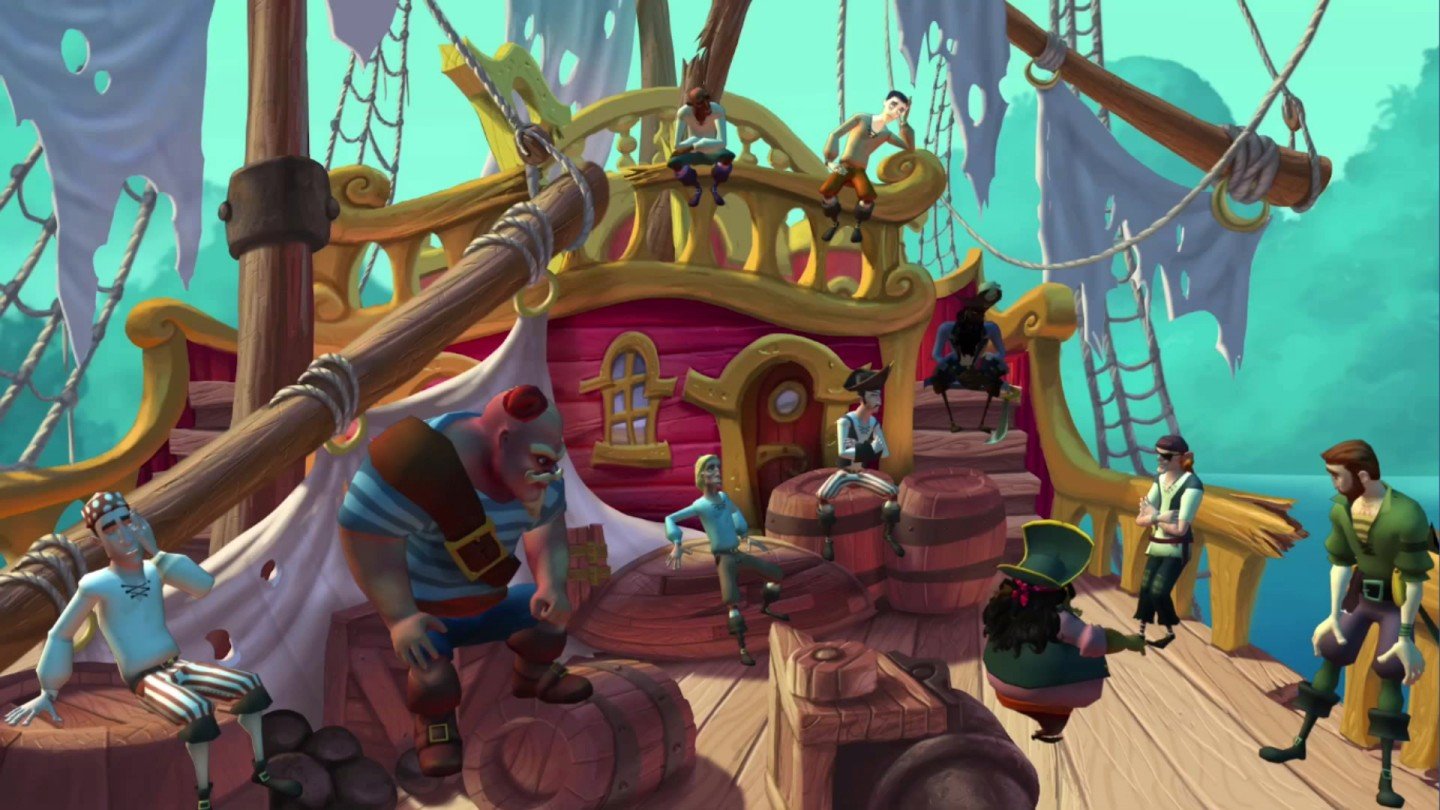
Plus, pirates could sail where they pleased, explore where they wanted, and had no one in authority telling them where to go, what time to be there, or what they had to do. Who, sitting in their boring office, lit by fluorescent lights, working for a jerk at a job they hate, wouldn’t want to be out in the Caribbean, stealing from the rich and doing whatever the hell they want? It sounds great! I’d sign up with Blackbeard today, if it weren’t for the killing and being killed part, ’cause that would suck.
I have been told by more than a few publishers that pirate games sell really well, which would explain why there are so many. Seems like there are about eight or so genres that have staying power: Gothic horror, medieval fantasy, crime drama/detectives, space operas, westerns, superheroes, and pirates. Hell, even Disney is dedicating a whole land at the new Shanghai Disneyland to pirates.
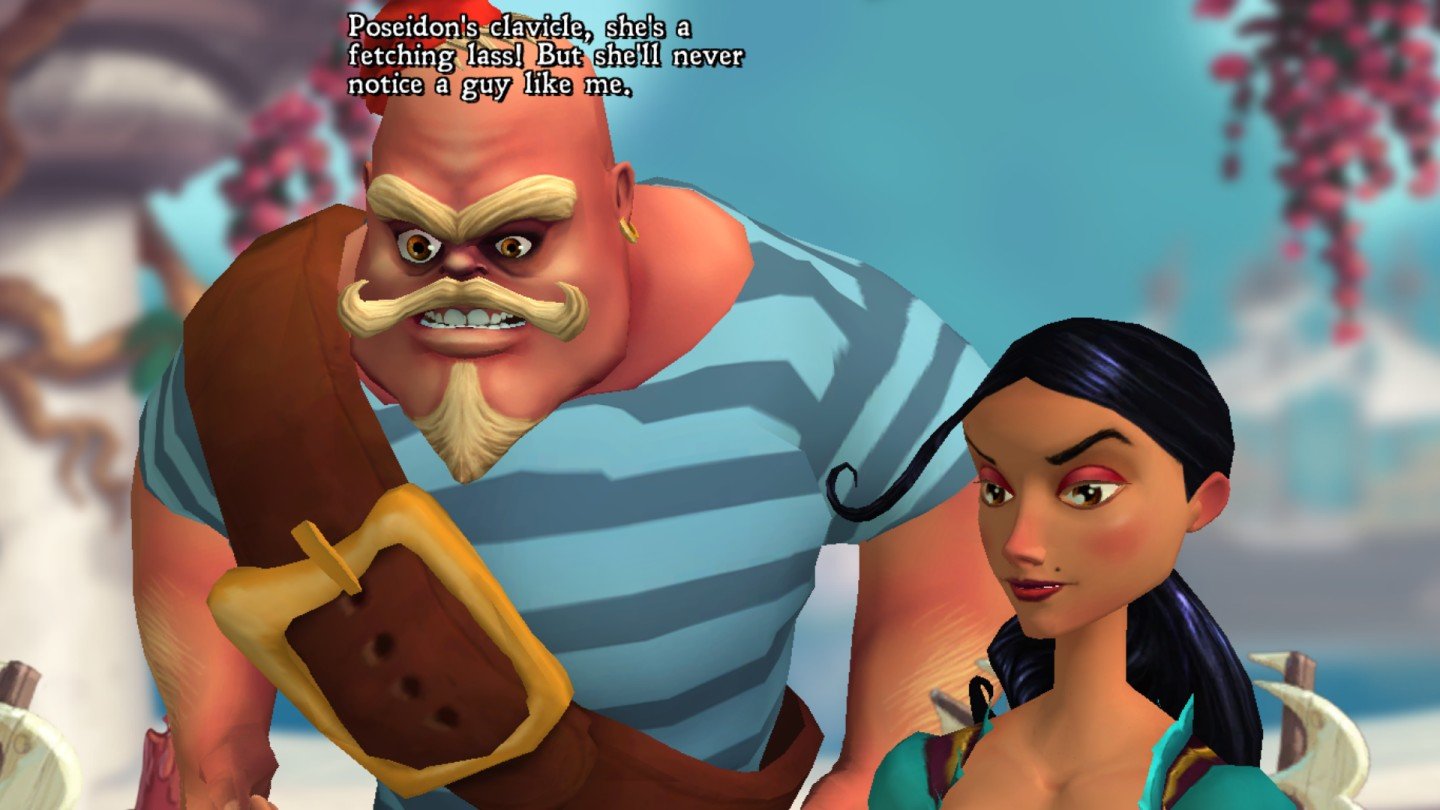
Tiller’s vision of Duke’s Gnarly Narwhal tavern almost fully realized
So to sum up “Why Pirates?”
They live in paradise, sail warm beautiful waters, deal in magic, explore mysterious new lands, find hordes of treasure, are surrounded by beautiful handmade objects and architecture, wear fancy clothes, fight dangerous monsters, are massively multicultural, fight tyranny, have total freedom and participate in democracy. Plus, they get to say “arrrgh” and “aye,” and talk with a funny accent.
So I just don’t say “pirates.” I says “PIRATES!”
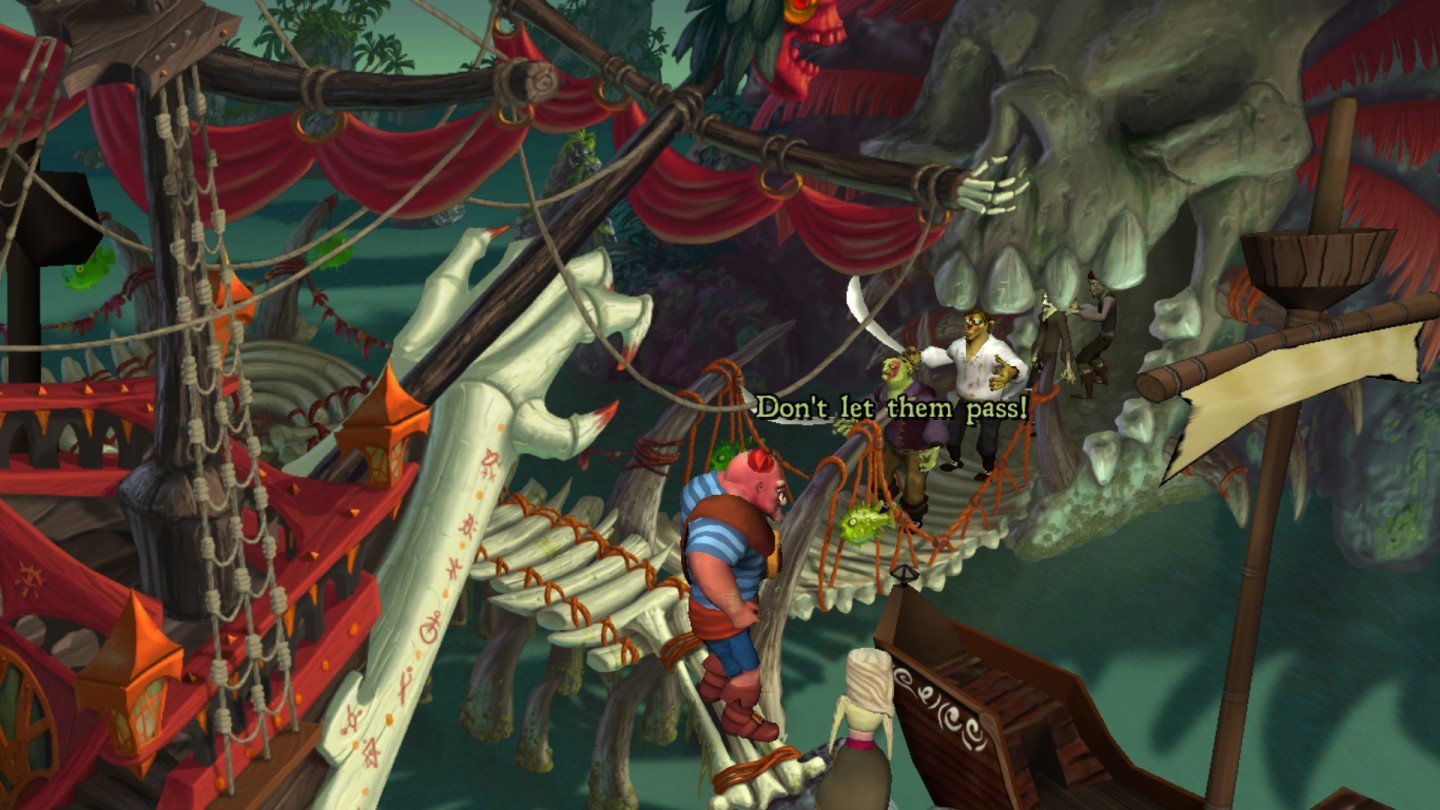
[b]Jack[/b]: Hey, you had me at “ahoy”. But is there any fear of oversaturating the market with pirate adventures, particularly those with an obvious Monkey Island flavour? Might people be getting sick of them? And what would you say to people who find more of such games to be derivative?
[b]Bill[/b]: We love Monkey Island. Ron, Tim and Dave did exactly what Mel Brooks did with the Gothic horror and Wild West genres when he made Young Frankenstein and Blazing Saddles, which was to pay homage to them and make fun of them at the same time. I think a lot of pirate games want to follow in Monkey‘s footsteps, which is fine. We want to acknowledge the greatness of Monkey Island and at the same time poke fun at it. It’s kind of a spoof of a spoof, and pays homage to a game that paid homage to Disney’s pirate ride.
[b]Jack[/b]: Obviously Duke Grabowski isn’t your normal swashbuckler. Or rather, maybe he is but doesn’t want to be. Tell us about Duke.
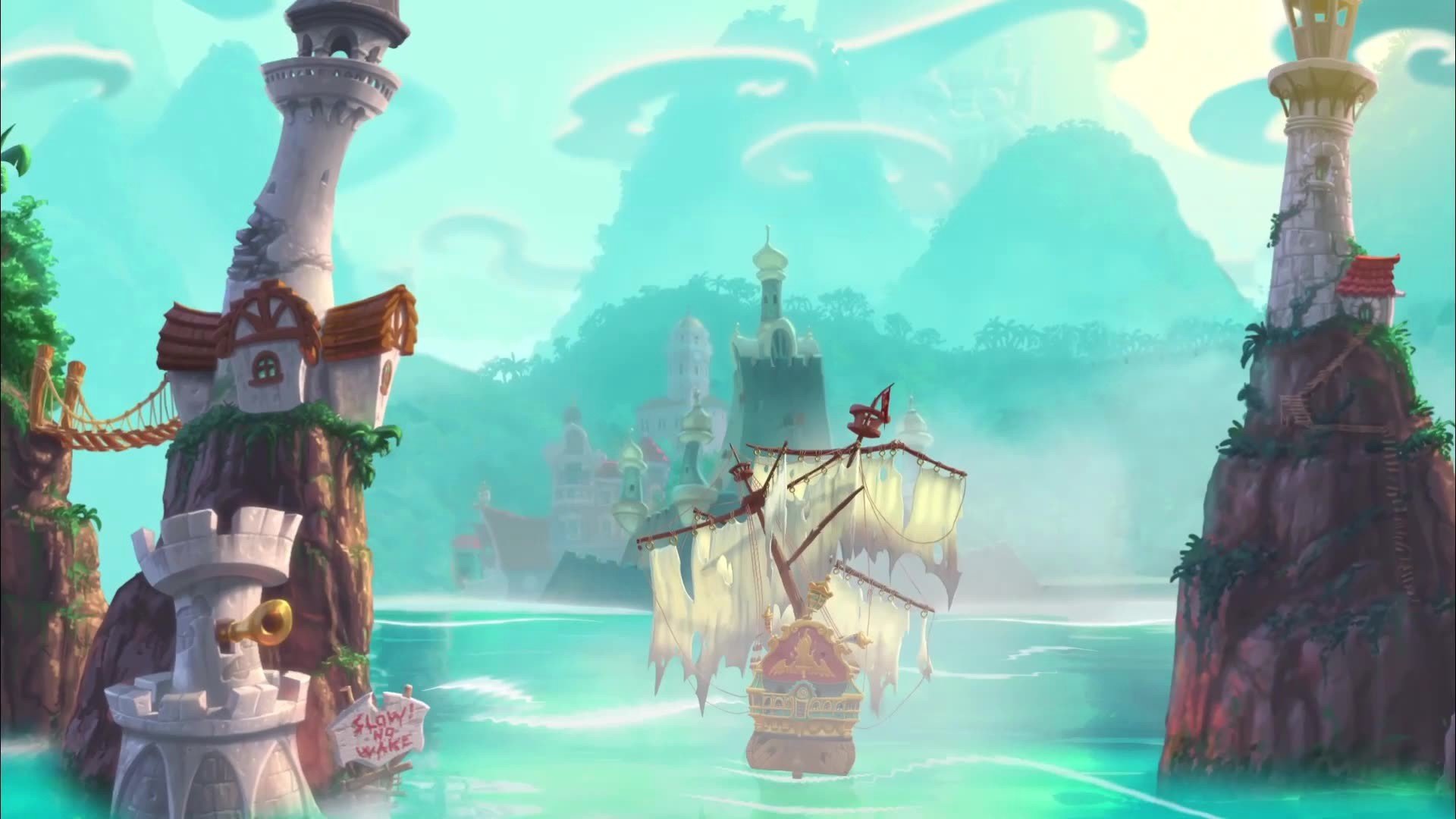
[b]Bill[/b]: Duke and his family were indentured servants to an abusive, rich landowner who ran a sugar cane plantation. When Captain Amerigo raided the island, he saw potential in the huge farm boy and took him under his wing. Duke is super strong, but a bit clumsy and kind of slow in the head. He also struggles with being too sensitive and has an explosive temper, making him kind of volatile. Captain Amerigo figured out how to treat Duke so that he felt respected, valued and essential to the crew.
In our world, the Azurbbean is in the midst of a war of rebellion, where island colonies are breaking away from various Continental empires that conquered and enslaved them. The pirates of the Azurbbean are more like Robin Hood, fighting tyrannical rich rulers and freeing slaves and enriching them. Duke fully bought into this goal and vigorously supported and defended Captain Amerigo in his attacks on Imperial shipping.
Other members of Duke’s crew are not quite so idealistic, though, and would rather plunder any target, not just the Empire. Their collective fear of Duke and Captain Amerigo keep them in line. If Captain Amerigo and his guard dog were gone, they could be a lot wealthier…
Latest Gaming Articles
All Articles