


Are loot boxes gambling? Everything you need to know in 2025

Modern gaming has come a long way from the pixelated adventures we once enjoyed on consoles like the NES. Creative developers have found new ways to allow players to enjoy the experiences they offer, and even allow their titles to remain profitable long after a player has purchased them. Loot boxes are classic examples of how a video game can allow a developer to earn more money off a title, while giving players some very attractive options in the bargain.
The first game with loot boxes was released as early as 2004, with the Japanese version of MapleStory introducing what was then called the Gacaphon Ticket, which awarded randomized in-game items in exchange for each ticket used. Replicating the function of a Gachapon machine in the real world, many other games have followed suit in the intervening years, using the concept with varying purposes and results.
What are loot boxes?

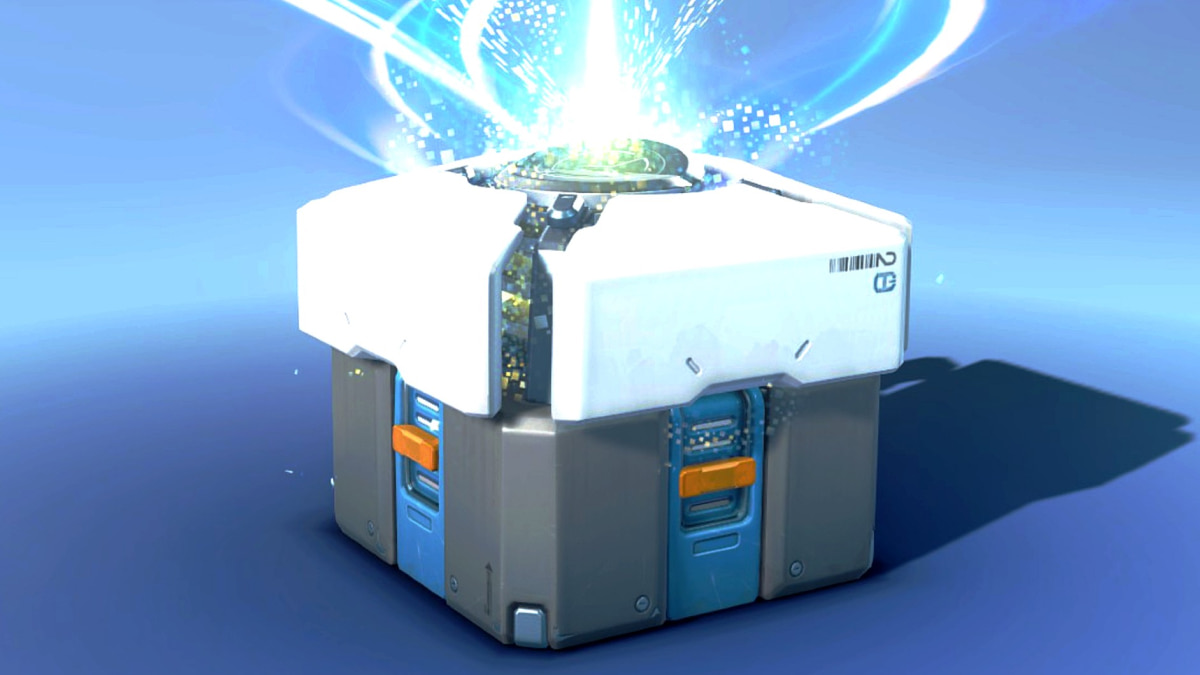
In a video game, a loot box is an in-game item that can be dropped by defeated enemies or gained by completing objectives, or purchased outright by the player. However it is acquired, a loot box contains random rewards that could benefit players when they are used. These could include cosmetics, beneficial gear, power-ups, items that debuff enemies, or anything that can be used to gain an edge.
These items typically vary in rarity, and more useful items are locked away behind higher rarities. Some games even come with monthly loot boxes that feature exclusive content that players may not be able to obtain after their availability has expired, creating even more incentive for players to try and get their hands on them as soon as they can.
Are Loot Boxes Gambling?

For loot boxes that are gained from just playing the game, the question of gambling becomes quite irrelevant, considering that there is no exchange of money between the player and the developer involved. For instance, recent NetherRealm titles such as Mortal Kombat and Injustice reward players with loot boxes for nearly every fight they win.
Those boxes contain rewards that apply to every character on the roster in the game, completely randomized to keep players invested in the game and continuing to play more fights to win the gear they want.
However, other titles, such as Genshin Impact, for instance, have purchasable loot boxes requiring real money to be exchanged for the in-game currency used to buy them. While they, too, reward players with random equipment, perks, and the like, the fact that they require real money to buy lands them in quite the grey area when the gambling angle is considered.
Since they require real money to acquire and players will need a bit of luck to get the rewards they want, Genshin Impact loot boxes do carry the risk of falling under the gambling bracket, and the negative connotations that come with it. A few studies demonstrate a link between their purchase and behavioral patterns associated with gambling, making their presence in video games something that’s frowned upon.
The history of loot boxes

Aside from MapleStory, Chinese developer Zhengtu Network’s ZT Online also features among the earliest games with loot boxes. The advent of games on social media platforms like Facebook and free-to-play games on mobile phones allowed them to become more commonplace, bringing microtransactions into the mainstream while allowing players to try collecting rewards that were otherwise exclusive to paid players.
FIFA 09 was among the most notable instances of video game loot boxes in the West, giving players the option of purchasing in-game card packs to create their preferred teams of players from real life. Valve entered the fray in 2010 with Team Fortress 2, with “crates” that were essentially loot boxes aimed at attracting more players to the game’s community while proving to be quite effective at monetization.
Several other titles such as Mass Effect 3, Counter Strike: Global Offensive, Call of Duty: Advanced Warfare, Halo Wars 2, Assassin’s Creed Origins, Middle Earth: Shadow of War, and many others included video game loot boxes in some form, cementing the mechanic as legit, even in single-player titles where many thought that they would not be as effective as their multiplayer counterparts.
Today’s loot boxes

Recent examples of loot boxes in video games include EA’s FC 26, in which its Ultimate Team mode allows players to purchase randomized packs that allow players a chance to nab their dream footballers for use in the game.
However, loot boxes regulation, now a thing owing to their association with gambling, has forced the studio to remove the feature in South Korea owing to the need to provide a detailed account of probabilities for each item featured in purchasable packs.
Marvel Rivals is an example of a studio choosing not to implement the mechanic despite it having a lot of potential for monetization. NetEase’s highly popular shooter did contain data that pointed to the presence of the mechanic, but representatives have since confirmed that Marvel Rivals loot boxes are not going to be a part of its gameplay loop.
Overwatch 2 loot boxes cannot be purchased with money. Considering its popularity and global demographic of players, Blizzard Entertainment has wisely opted not to monetize the mechanic in its popular shooter, a decision that could be attributed to the heavy competition it faces in a very crowded space.
If you’re wondering how to get loot boxes in Overwatch 2, there are numerous challenges, both weekly and monthly, in addition to seasonal Battle Passes and a hero progression system that rewards them.
In contrast, CS:GO loot boxes can indeed be purchased with real money, prompting regulations in some parts of the world to restrict their purchase unless specific conditions are met.
For instance, Valve has region-specific restrictions on loot box gambling in place, wherein French players can view the contents of a loot box before deciding to purchase it.
While these restrictions vary from region to region, the concept of loot boxes and the potential that the mechanic has to encourage gambling among younger players in their formative years has prompted efforts to curb ones that rely on luck for specific rewards, and especially ones that need to be purchased for real money.
FAQs
Are loot boxes illegal?
While not illegal per se, loot boxes and gambling are often seen in the same bracket and, as such, have become areas of concern for authorities in many countries around the world.
Which countries have banned loot boxes?
Belgium is one example of a country where they are banned without a licence. The Netherlands has banned them for failing to comply with gambling laws. Japan is another country that has strict laws against them, although it’s not a place where loot boxes are banned entirely.
Why do people buy loot boxes?
That’s a tricky one! A primary reason is the fear of missing out (FOMO), which could be especially prevalent among younger players who feel the need to fit in with their friends in gaming circles centered around a specific title. Other reasons could include a lack of time to acquire the rewards in question organically or the need to enhance one’s experience within a game using the rewards they provide.
What is the psychology behind loot boxes?
They are based on a concept called variable-ratio enhancement, in which the human brain releases dopamine when it is allowed access to uncertain rewards. It’s also one of the main psychological reasons behind gambling, and arguably a determining factor in several studies involving loot boxes and gambling.
Are loot boxes legal in the USA?
Once again, there’s a lot of nuance governing their sale in the USA. If you’re wondering where loot boxes are banned in the USA, a general consideration is to look into whether their rewards can be exchanged for real-world money. That could be considered gambling in a few jurisdictions and the subject of a few court rulings.
What is the difference between loot boxes and gambling?
A crucial distinction is the manner in which the rewards you obtain from loot boxes are used, and if they can be exchanged for money in the real world. It’s not uncommon to see players selling their accounts to others for large sums of money disproportionate to what they spent in the game. Profiting off loot box rewards is a grey area and could be seen as a form of gambling aside from the fact that you’re spending cash on luck-based rewards. And that’s all you need to know about loot boxes and the gambling connotations that they carry. Remember, being responsible with your spending can be a good way to avoid the most common pitfalls that this controversial mechanic in video games brings to the table. But other than that, have fun with the cool stuff that they often let you grab!
References
Latest Gaming Articles
All Articles