


Amanita Design – Jakub Dvorsky

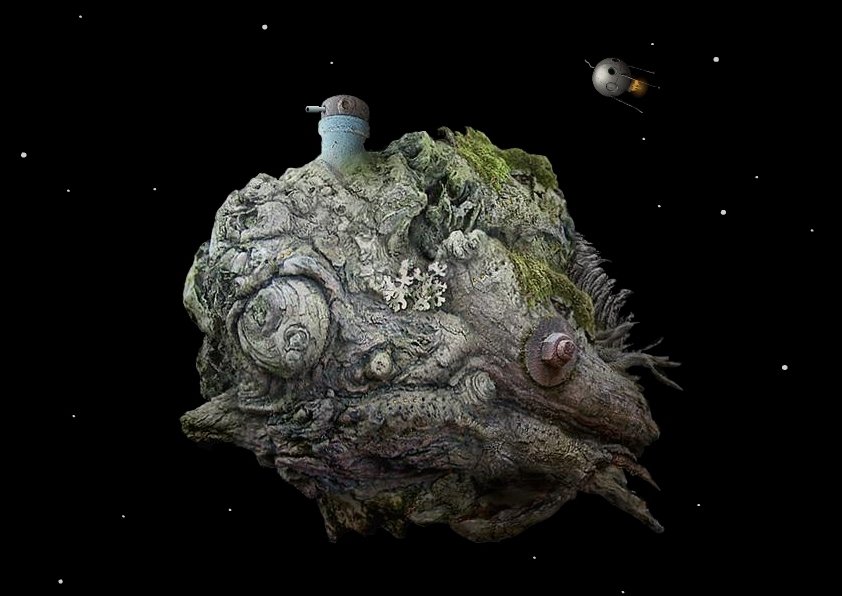
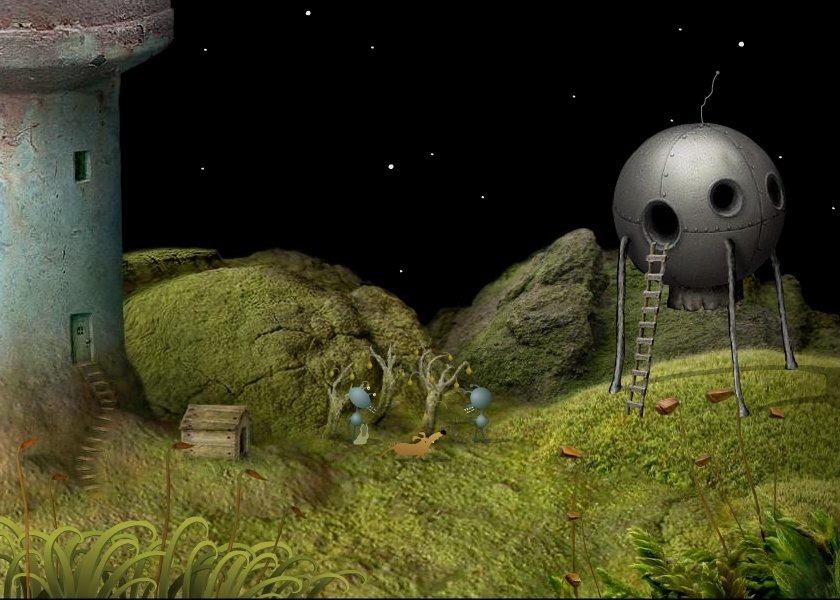
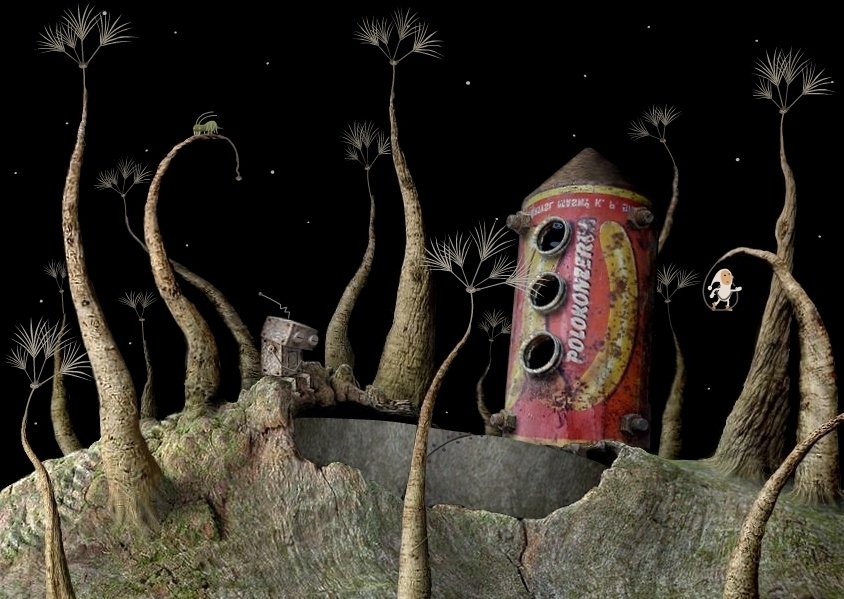
If “Amanita Design” isn’t yet a household name, the name of the game they’re most renowned for is fast becoming one. It’s Samorost, the little online Flash game that has no dialogue, no inventory, and no plot to speak of. What it has instead is its own unique style, a foolproof interface, some deviously clever puzzles, and enough charm to win over even the most jaded of gamers. Oh… and it’s free. If you’ve not yet experienced it personally, do yourself a favour and see for yourself.
Recently, the Czech developer has released Samorost 2, which offers more of the same addictive gameplay, but with an option to unlock a second chapter for a small purchase price. With the sequel ready to renew the Amanita buzz (pun fully intended, but don’t ask me to explain it), Adventure Gamers was pleased to spend some time talking with Samorost creator Jakub Dvorsky.
Thanks for taking the time to speak with us, Jakub. To start us off… who is Amanita Design? Can you tell us a little bit about yourselves? How did you get started, and what projects have you been involved in?
I studied at The Academy of Arts, Architecture and Design in Prague in the department of Graphics Design and Visual Communication. There I also met my colleague Vaclav Blin, who was the best animator at the studio. In 2003, after my studies, I established Amanita Design studio and started working as a freelancer. I worked on several commissions (Rocketman for Nikelab, The Quest For The Rest for The Polyphonic Spree, etc.), and at the beginning of this year I invited Vaclav to work with me on Samorost 2, which is now finished. I also invited Tomas Dvorak (Pif) to make sounds and another Tomas Dvorak (Floex) to make music for this project.
“Amanita” means “toadstool” in Latin — this mushroom is very nice visually and also hallucinogenic.
The game (and now its sequel) that you’re best known for is Samorost, which you created as your thesis work in school. What made you decide to design a game?
I grew up on computer games (on my Atari 800XE), so I wanted to make my own game also.
We know your thesis was embraced publicly. How was it received academically?
Not very well, to tell you the truth. I received a ‘B’ for it. The committee didn’t understand too well why I created a computer game in the department where animated film was traditional.
Games are the under-appreciated art form, aren’t they? That relates to a very timely topic in the games industry: are games art? Or can they be? What is your opinion on that?
Definitely a game can be art. I think the time of “art games” will come, because in my opinion the game medium brings a whole new universe of possibilities for artists.
So… Samorost. That’s an interesting title, which I understand refers to a peculiar piece of wood. Can you elaborate on the name, and why you chose it for your game?
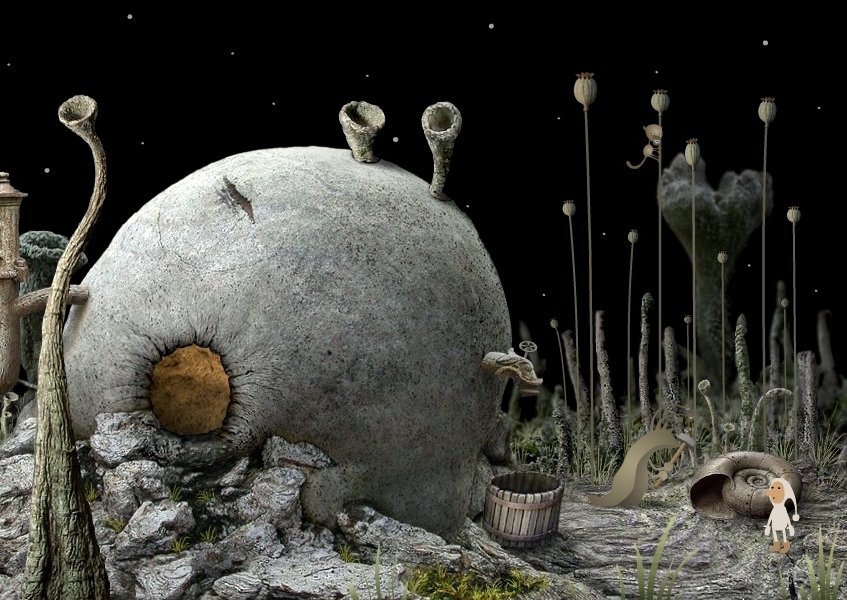
“Samorost” in Czech means a root or piece of wood which resembles a creature; but it is also a term for a person who doesn’t care about the rest of the world. I think it’s a nice Czech word which has various meanings.
The visual style of your games is very distinctive. Do you have any particular artistic influences that inspired you?
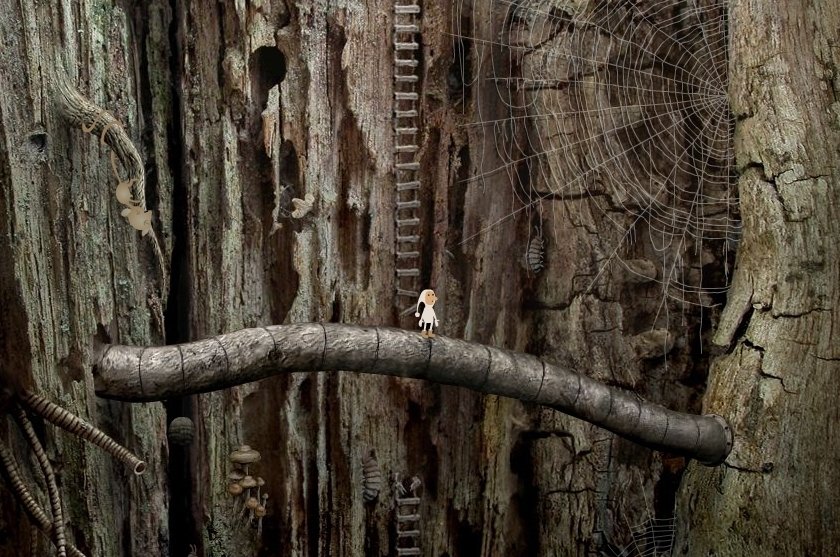
I don’t know. I don’t think I have any in particular, as I’m influenced by many artists, from prehistoric art to contemporary.
What about gaming influences. Are you a gamer? What games have you played that might have helped shape your own design?
I used to be gamer. I like games like Day of the Tentacle, Gobliins, Discworld, Little Big Adventure, Neverhood, Myst, and others. I also used to like strategy (Civilization, Dune, Settlers) and RPG (Dungeon Master, Dungeon Keeper) games.
Latest Gaming Articles
All Articles