



Adrian Chmielarz – The Vanishing of Ethan Carter

[b]Ingmar[/b]: At first glance your previous games may not have that much in common with Ethan Carter. Why did you choose first-person once more, and in what way did your prior experiences with first-person action games have something to do with that decision?
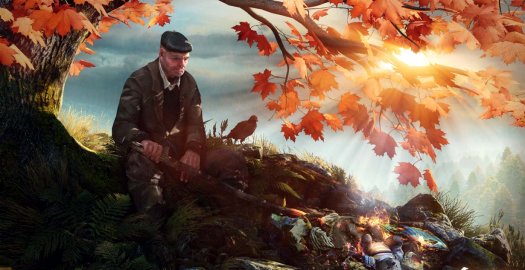
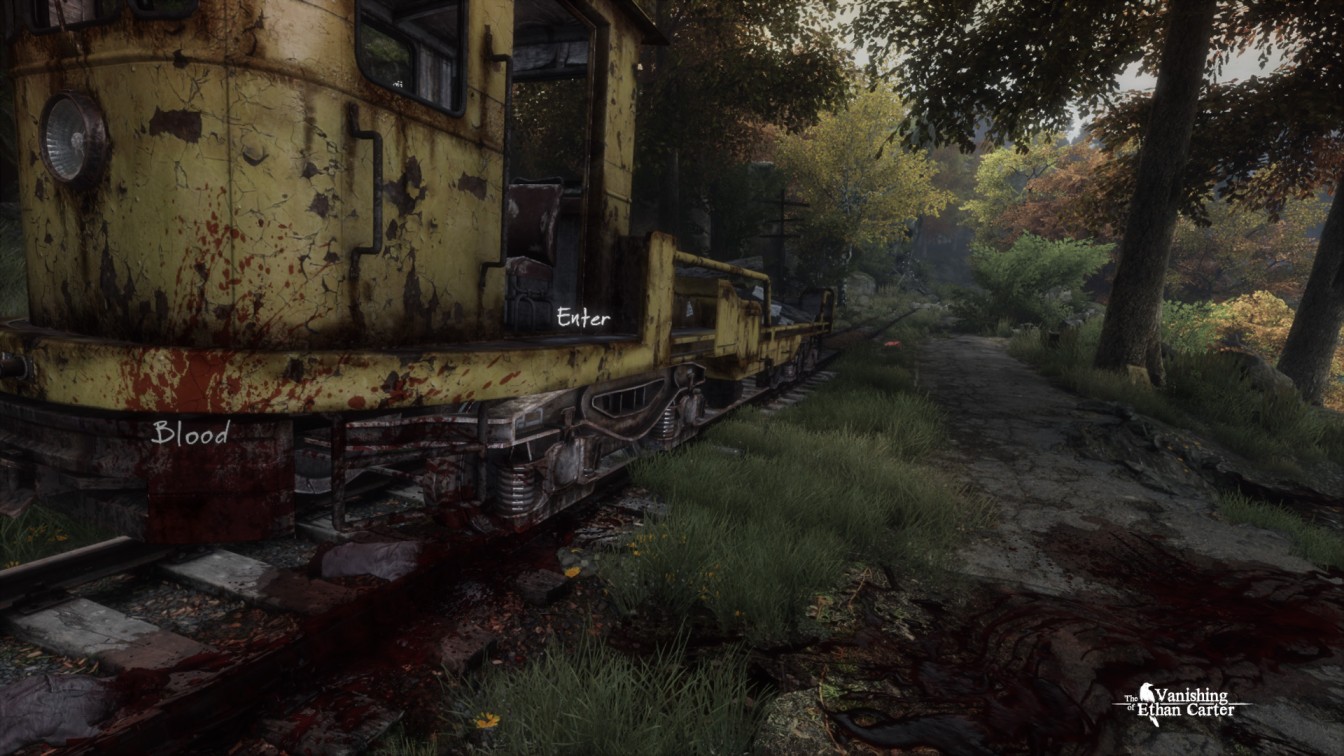
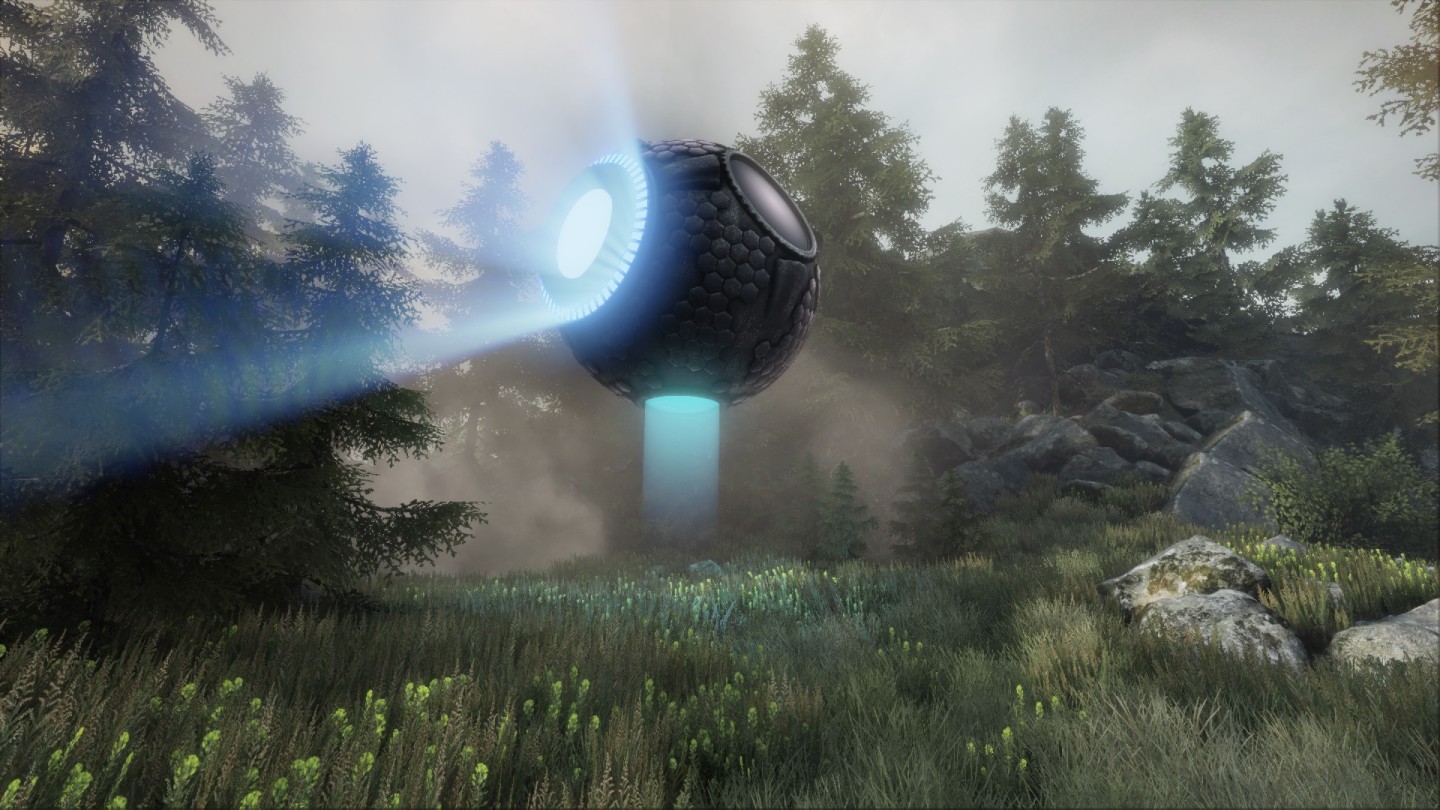
[b]Adrian[/b]: Third-person helps to focus on the story of the main character. First-person helps you to feel like you are teleported to an alternate universe. That sense of presence is extremely important to us, so we opted for the first-person view. We give the player a lot of freedom in how they go about looking for Ethan, and we felt that first-person perspective helps emphasize that freedom.
[b]Ingmar[/b]: The photogrammetry technique that you’re using in Ethan Carter is quite impressive. Please explain that approach. How does it work and what’s the idea behind it?
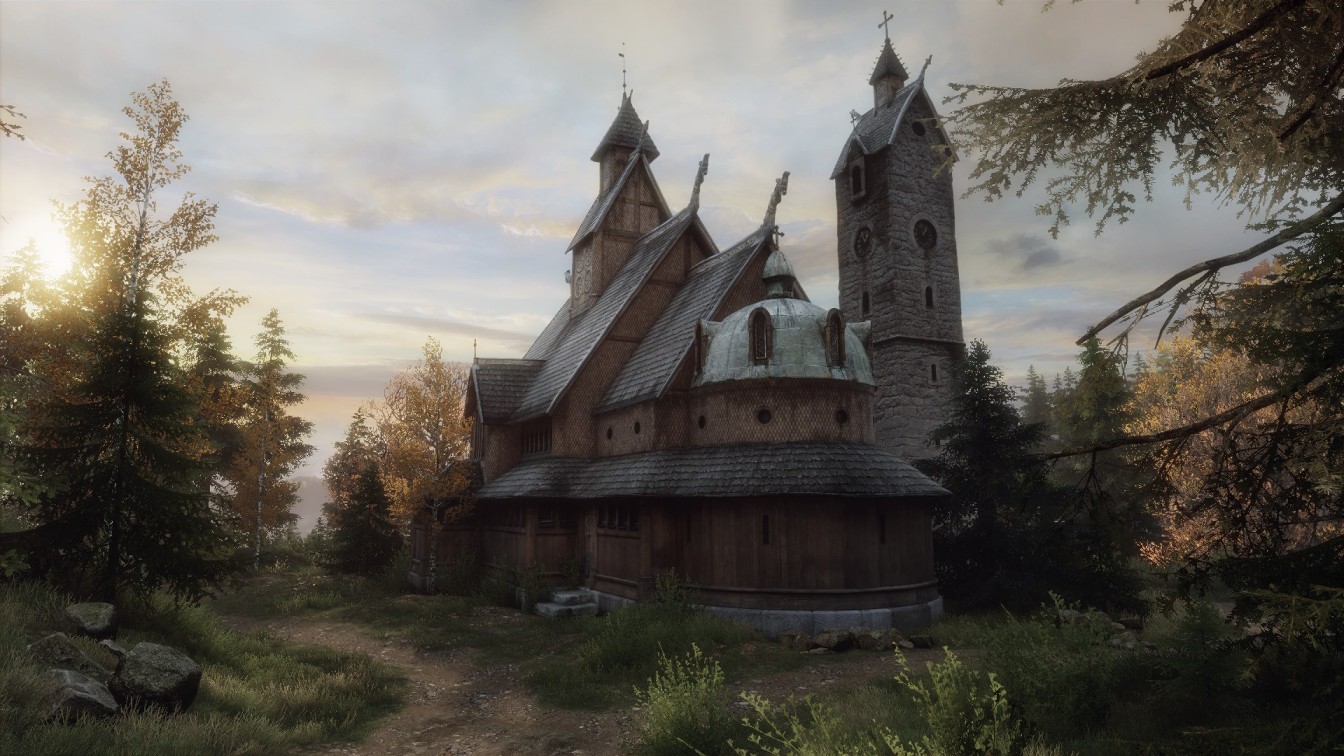
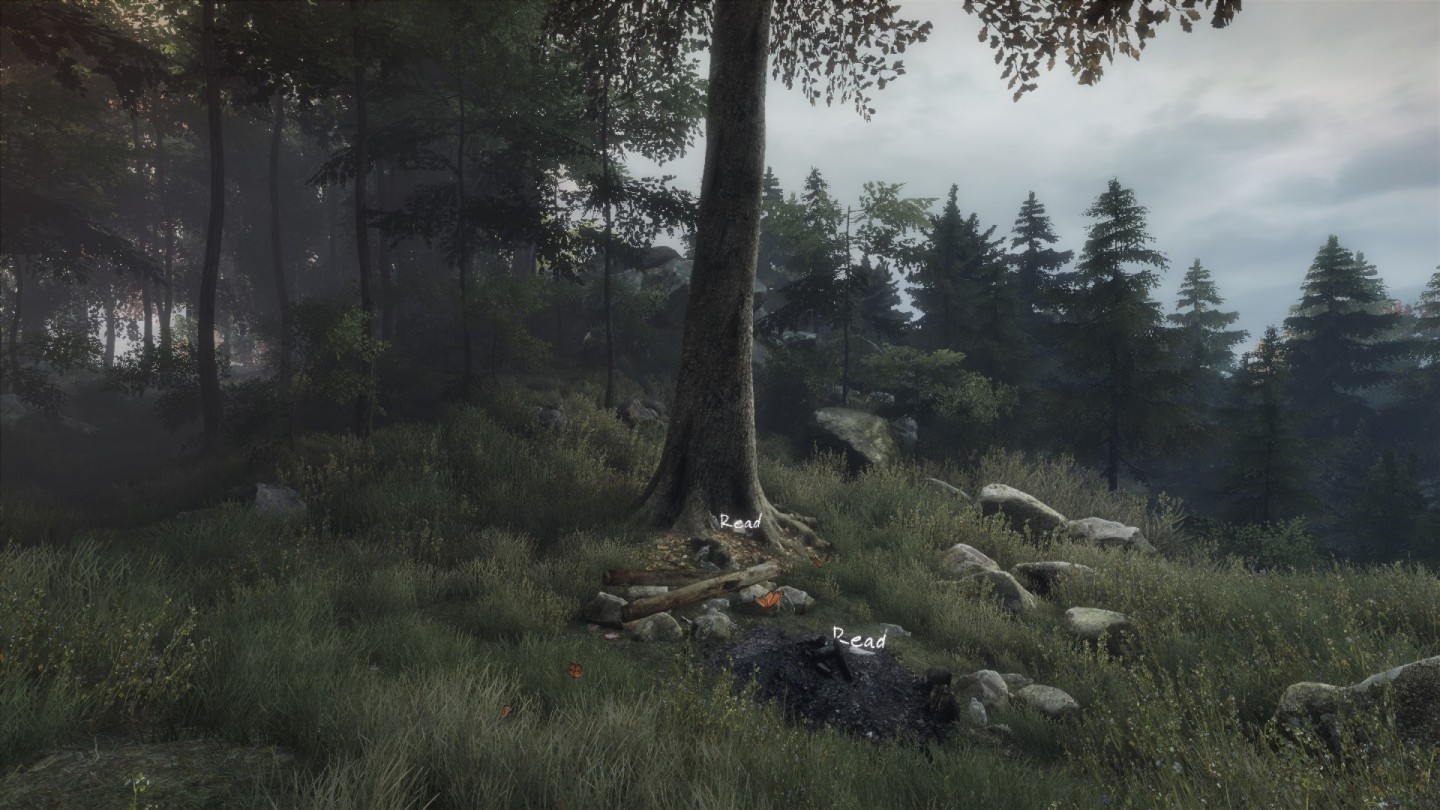
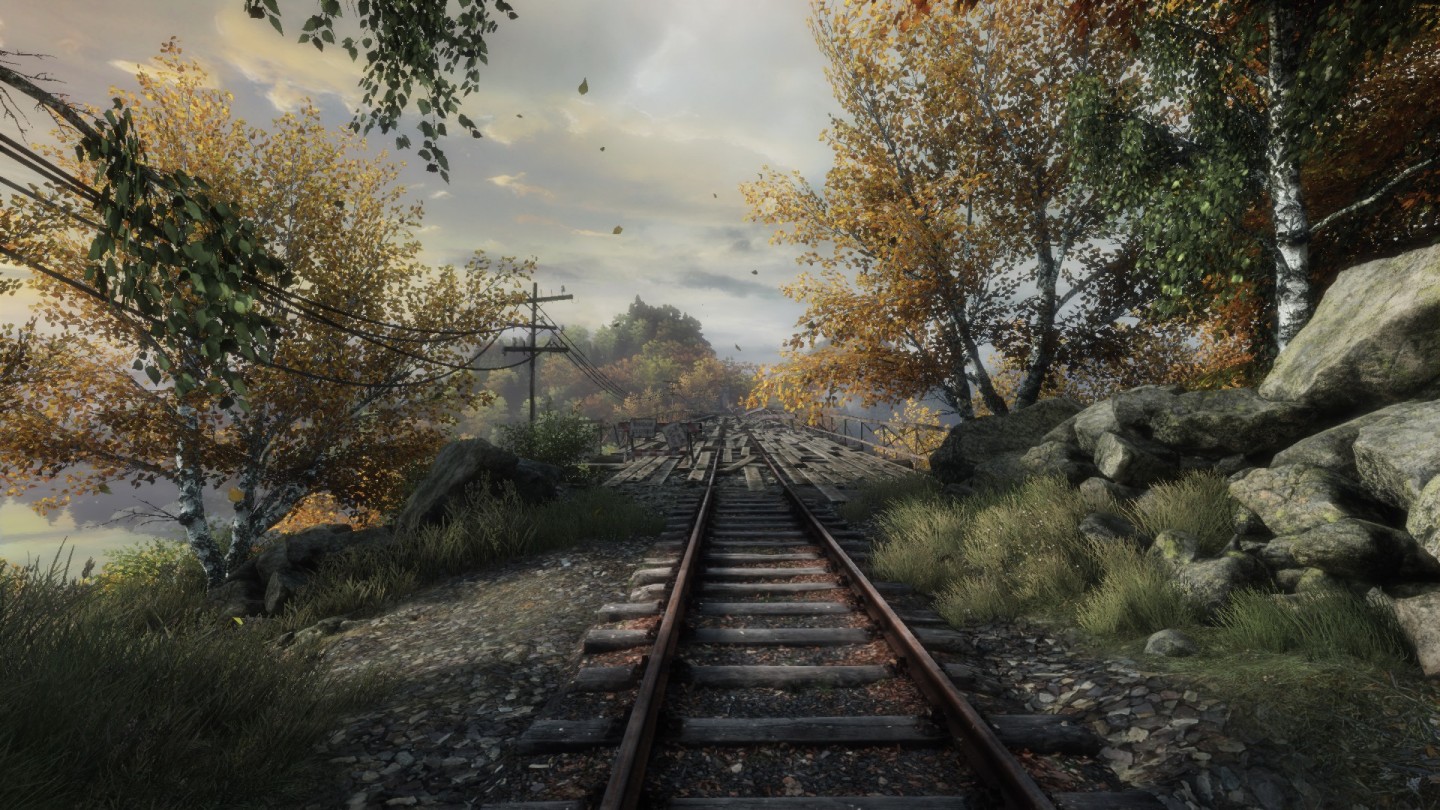
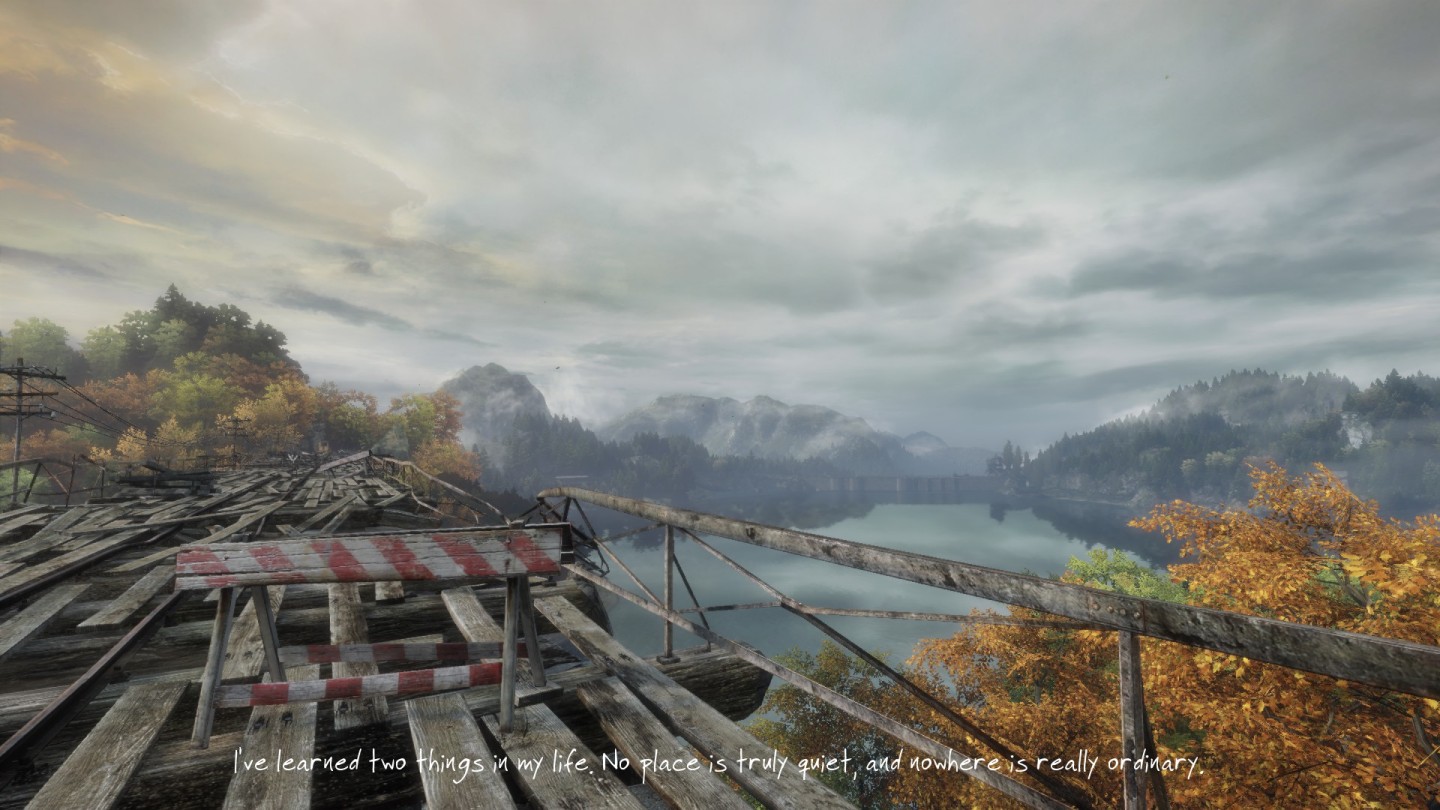
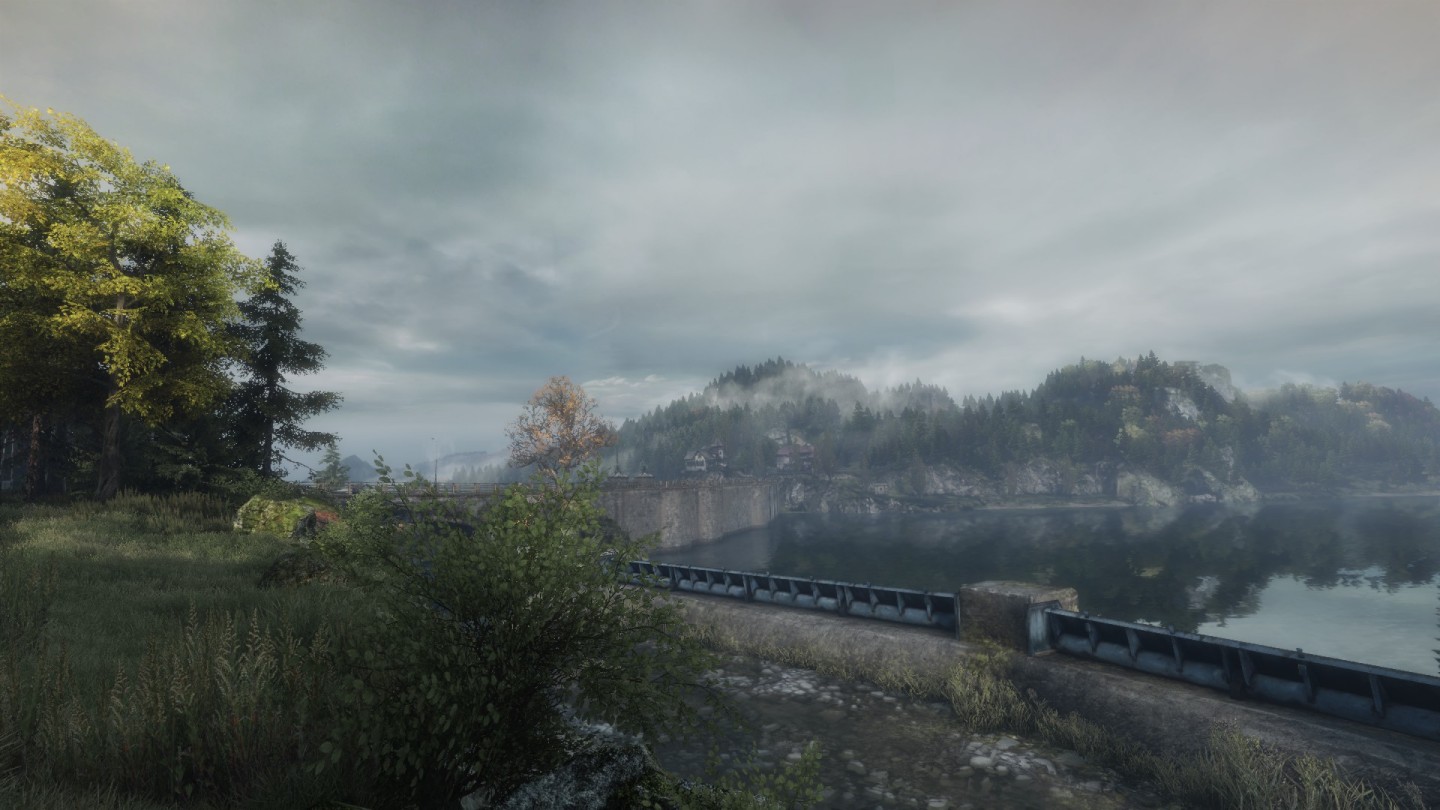
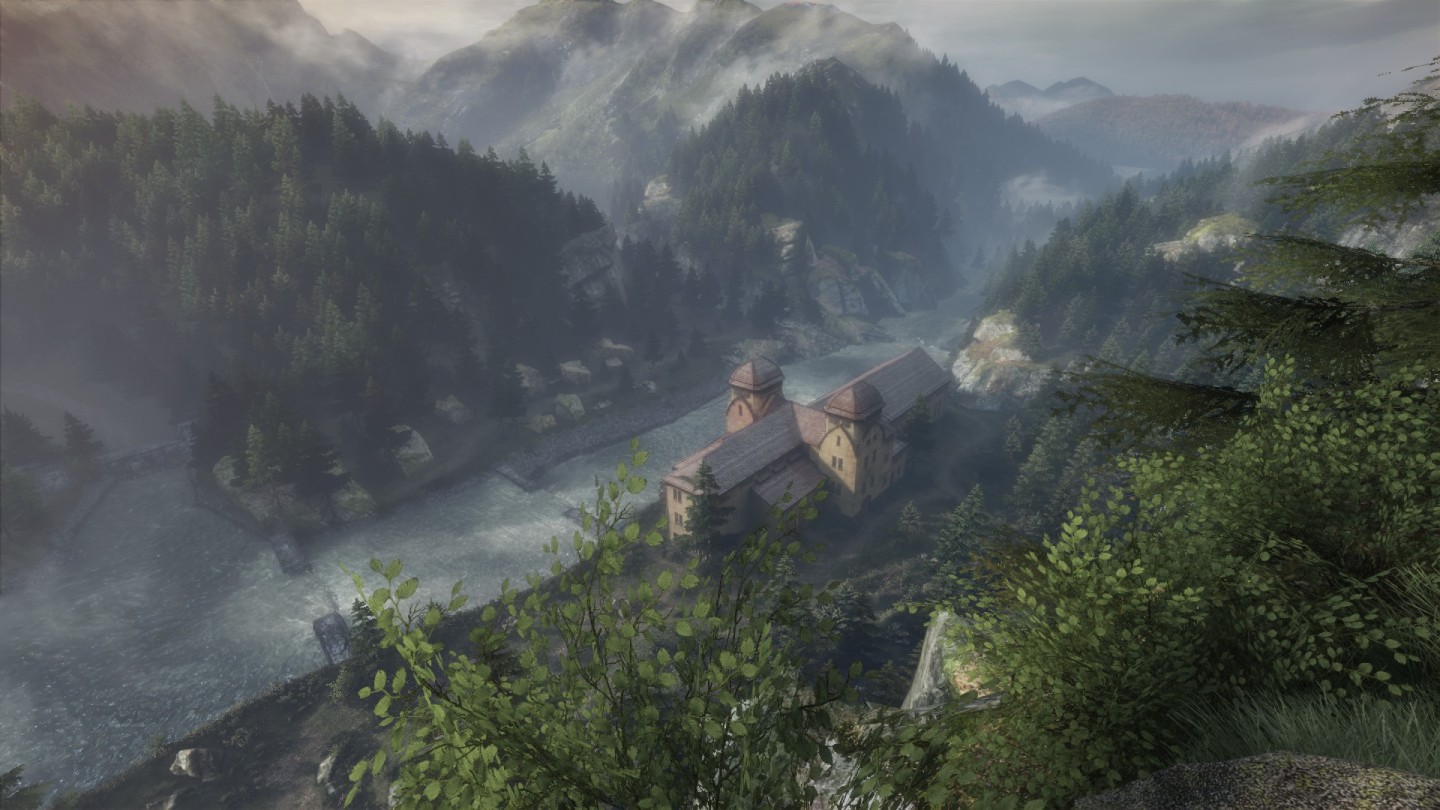
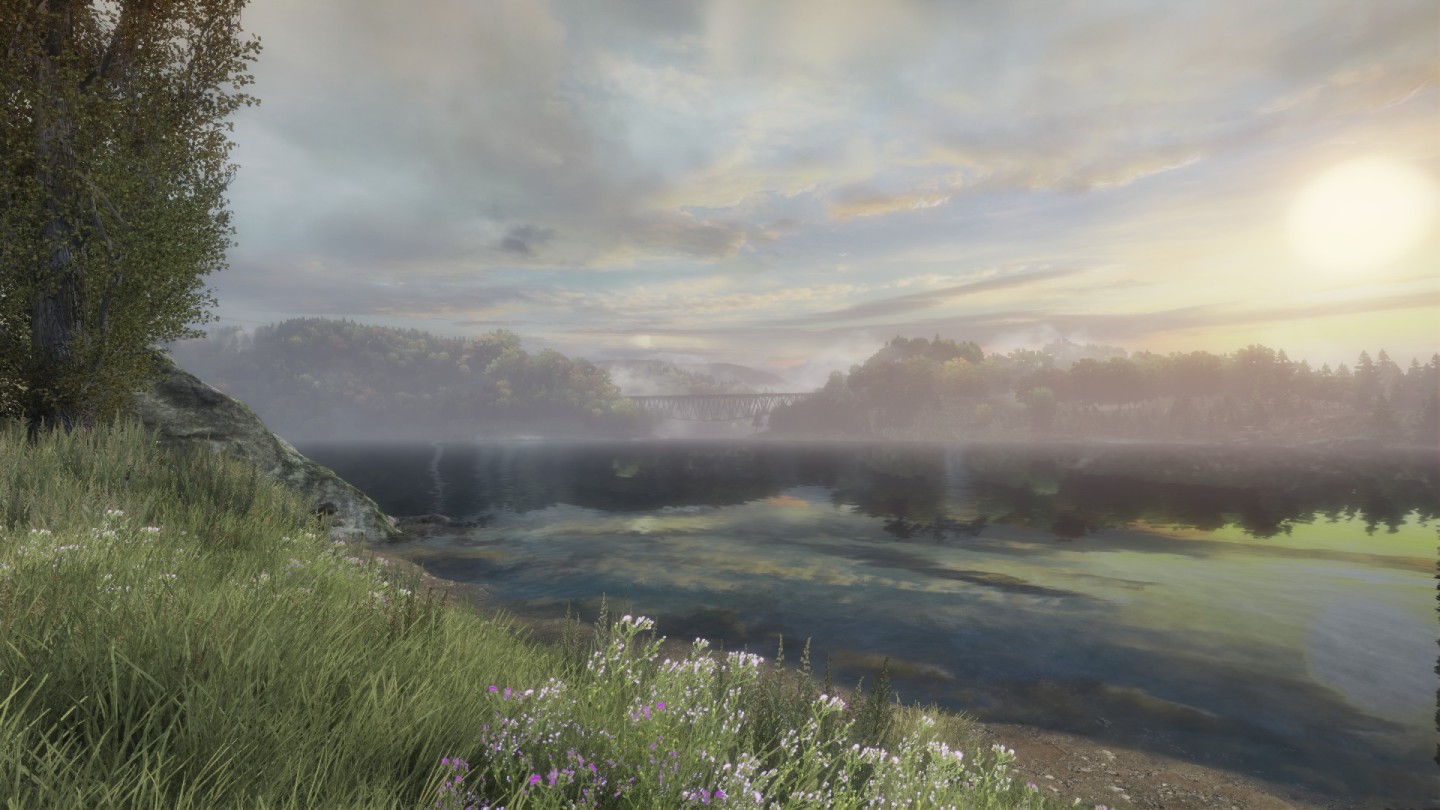
[b]Adrian[/b]: The idea is simple, but that’s exactly why it feels like magic sometimes. You take a couple dozen photos of an object, put it into special software and it spits out a fully textured, photorealistic 3D model.
Of course, things are “a bit” more complicated than this, and there’s a lot of work involved into getting game-ready results, but still, magic!
[b]Ingmar[/b]: Choice and consequence is an expression we hear a lot these days. What’s your take on the subject? Do you have an ideal version of this system, and does it have any relevance for your game?
[b]Adrian[/b]: You can tackle C&C in many ways. Even if you have a linear story without any branching, you can still allow the players to pick up the pieces in non-linear order. So the way the players go about exploring your world is their choice. Additionally, you can have layers of the story itself, and the way the player interacts with the game affects the interpretation: two players can have a different understanding of the story even if they saw exactly the same things, just in a different order.
The above is a part of the solution we use in our game. There’s more, but I think we should return to such analysis only after the game is released and experienced.
[b]Ingmar[/b]: Correct me if I’m wrong, but it seems to me that Ethan Carter takes a very psychological approach to horror. Tell us a bit about how the horror elements work in the game.
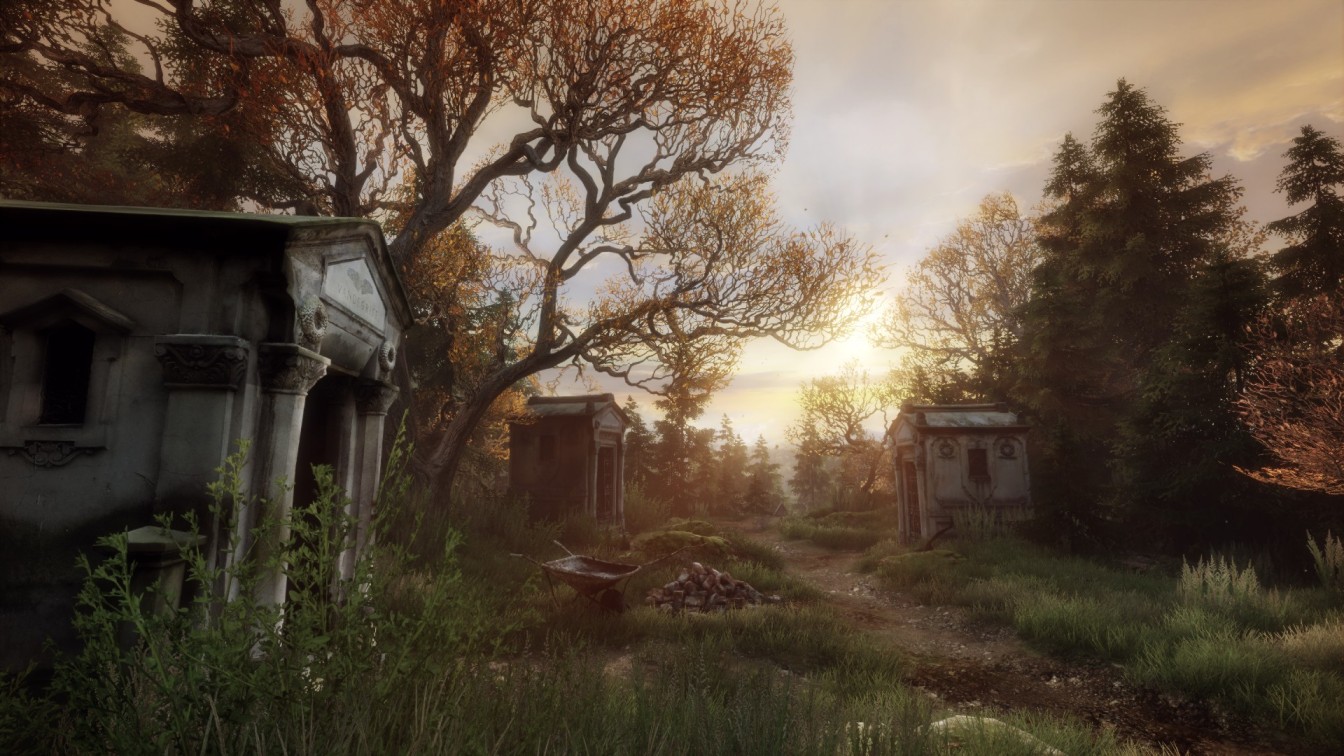
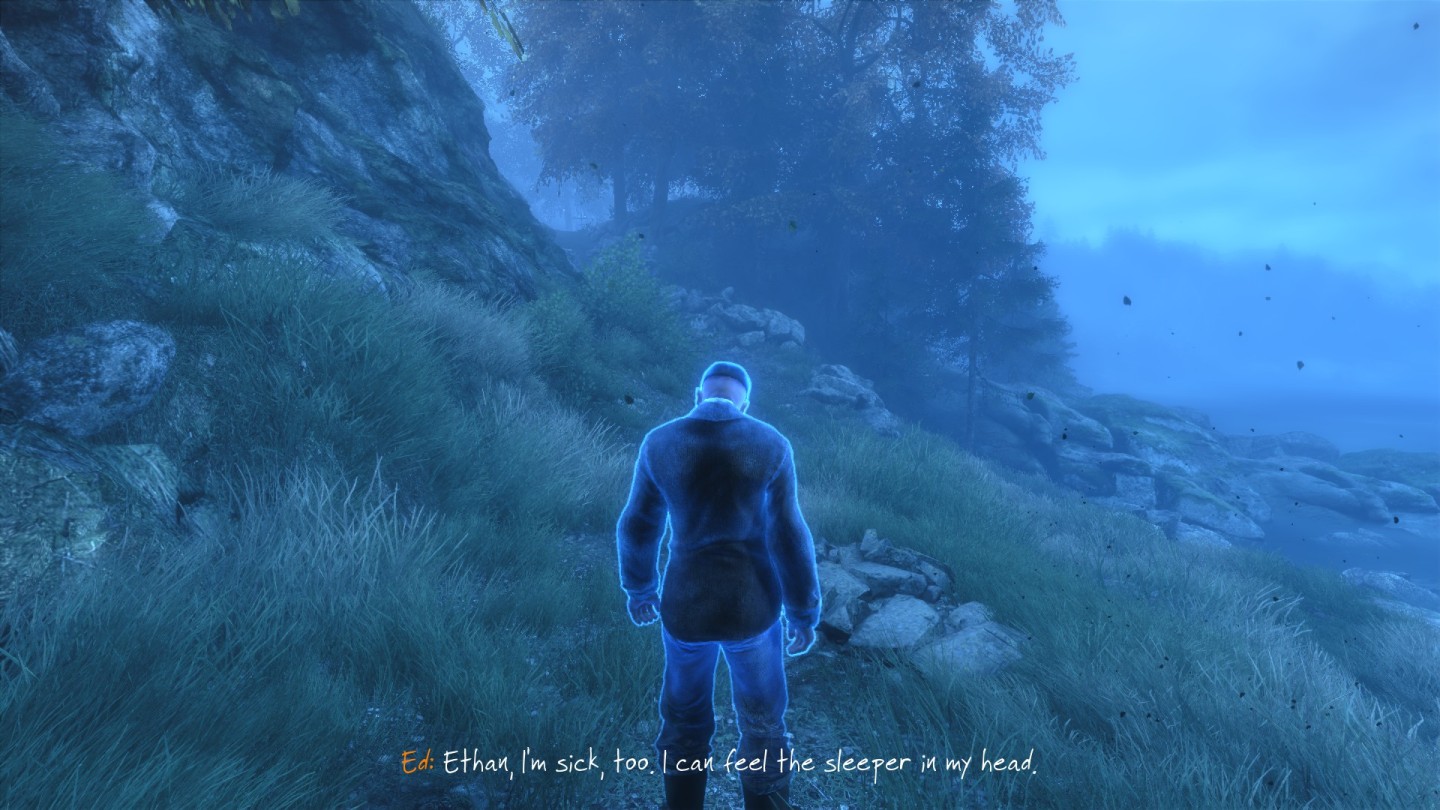
[b]Adrian[/b]: Our game is inspired by weird fiction – writers like Blackwood or Lovecraft – so it’s a different type of horror to what games usually offer. It’s not about jump scares but, as our writers call it, “clumsy unease”. Of course, we’ve had a couple of good adventure games that also relied on such mood, so we’re not pioneers here, but I think this type of horror is still rare.
What I personally like about this approach is that it relies a lot on the player’s imagination. And nothing can ever compare to that.
[b]Ingmar[/b]: Which other games come to your mind when you think of effective horror?
[b]Adrian[/b]: Amnesia is certainly very effective. I loved the mood of the first hour. And when the monster appeared, that was too much for me and I literally had to stop playing. So yes, they handle primal fear extremely well.
From older games, I loved Gabriel Knight. It’s a soft kind of horror, and I am not sure if the game survived the passage of time, but when it first came out I just loved wallowing in its atmosphere.
This may come as a surprise, but I also like some HOPA (hidden object puzzle adventure) games. I think Phantasmat is fantastic, one of the best games in the genre, and I loved most of the first Enigmatis.
[b]Ingmar[/b]: Which story-based games in general left a lasting impression on you from the last few years?
[b]Adrian[/b]: To the Moon is one such game. What blows my mind is its execution: the story is so gripping that no one cares it’s probably the most linear adventure game in the world.
But there’s also The Wolf Among Us. Gone Home. Blackwell Epiphany. The Last of Us. The Stanley Parable. Metro 2033. The Last Door. And there are games I am dying to play as soon as possible, like SOMA, Everybody’s Gone to the Rapture, and Firewatch.
All these games have one and only one common element: they’re focused on a narrative understood as a mix of story-experiencing and gameplay. But almost everything else – visual style, gameplay mechanics, etc. – is different. And that’s awesome.
[b]Ingmar[/b]: The work of David Cage is a very popular subject on your blog. How do you judge Cage’s role in this industry? Which aspects of his approach do you agree with, and which aspects do you disagree with?
[b]Adrian[/b]: David is a hero I love to disagree with.
Fahrenheit, with one of the greatest game openings of all time, was an eye-opener to me. Wait, you can bend UI to gameplay, and gameplay to the core emotional experience you’re trying to sell? It all sounds obvious today, but was not that obvious in 2005. At least not to me.
So I think David is a visionary, and a man our industry owes a lot to.
But I would love to see what David Cage could do if he was not so bent on being the only captain on his projects’ ship and partnered with some great writers and designers to elevate his core ideas.
[b]Ingmar[/b]: Do you believe there will come a point in time when this medium of interactive storytelling might be as “normal” and culturally accepted as, say, TV or movies? Any idea of the road that could lead to that point?
[b]Adrian[/b]: The road is very simple: make better games.
No, seriously.
Commented gameplay video
[b]Ingmar[/b]: Once Ethan Carter has been released and you start reading the first comments by players and press, what final verdict would make the creative mind behind the game most happy and proud?
[b]Adrian[/b]: Seeing people share their feelings – hopefully positive ones – about the game with others. Speculating. Debating. Digging deeper.
[b]Ingmar[/b]: When can we expect the release of The Vanishing of Ethan Carter, and on which platforms?
[b]Adrian[/b]: PC version comes out on September 25th. PS4 version comes out in early 2015.
[b]Ingmar[/b]: Thanks a lot for doing this interview, Adrian. Much appreciated. Good luck with the release of the game!
[b]Adrian[/b]: Thanks for having me!
Latest Gaming Articles
All Articles