



Similarities Between Adventure Games And Other Genres

.jpg)
Adventure games, as a genre, have captivated gamers for decades with their immersive narratives, exploration, puzzle-solving, and character-driven stories. While adventure games have a unique identity within the gaming landscape, they share several similarities with other gaming genres. These common elements help shape the player experience across genres, whether players are exploring ancient ruins, managing their fortune in a virtual casino, or solving mysteries in a complex narrative. By examining the similarities between adventure games and other genres, we can better understand the shared features that make all gaming experiences engaging and dynamic.
A gaming genre that shares similarities with adventure games is casino gaming. While the connection between these two might not seem obvious at first glance, there are common elements that overlap, particularly when it comes to immersive environments, the thrill of discovery, and the concept of rewards. In both genres, rewards are key motivators for players. Adventure games often reward players with items, experience points, or access to new locations as they complete quests or solve puzzles. These rewards keep players engaged, encouraging them to explore and interact with the world further. Similarly, in casino gaming, rewards come in the form of payouts, jackpots, or bonuses, which keep players coming back for more. Because casino players are focused on rewards, like payouts, there are even online betting sites dedicated to quick payouts so that players can get their rewards quickly. According to the experts at InstantWithdrawalCasino.com, these sites pay out fast, sometimes even within seconds. The satisfaction of earning a big payout or completing a challenging sequence in an adventure game can evoke similar feelings of triumph. While the rewards may take different forms in each genre, both offer a sense of accomplishment and progression that keeps players hooked.
What’s more, in online casino games, like video poker, slots, or live dealer games, players are often introduced to a world filled with stakes, rewards, and risks. This environment mimics the sense of adventure and excitement found in traditional adventure games. Just like in adventure games where players explore new worlds and face challenges, casino games provide players with an environment in which they can explore different games, betting strategies, and outcomes.
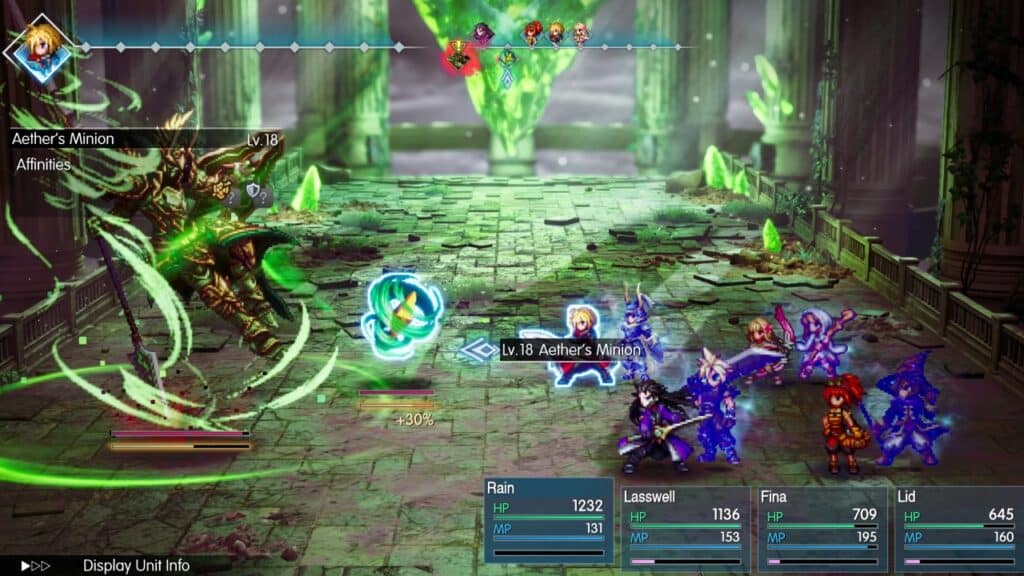
RPGs are also similar, in ways, to adventure gaming. At the heart of both adventure games and RPGs is the importance of narrative. While adventure games focus on storylines that often revolve around puzzles, quests, and exploration, RPGs also place a significant emphasis on storytelling. In both genres, players experience rich, character-driven stories that evolve based on their decisions and interactions within the game world. In RPGs, players typically control a character or group of characters, making choices that affect the story’s progression, much like the branching dialogues and decisions seen in adventure games. Both genres also allow players to develop their characters, either by gaining new skills, abilities, or inventory items, which ultimately aid in their progression. In adventure games, these character upgrades may come in the form of solving puzzles, unlocking new areas, or acquiring special items that open up further narrative possibilities. The overlapping focus on narrative-driven gameplay in both RPGs and adventure games allows players to become emotionally invested in the stories and outcomes, regardless of the specific gameplay mechanics.
Additionally, both adventure games and simulation games share a focus on player immersion. Simulation games, such as life simulators, city-building games, or farming simulators, often provide detailed, interactive worlds that players can manipulate. Like adventure games, simulation games emphasize interaction with the environment and characters. Whether players are tending to crops, managing businesses, or navigating daily life, they engage in activities that feel authentic and grounded in a real-world context. In adventure games, players often interact with objects, characters, and the environment to advance the story, solving puzzles and making decisions that affect the narrative. This interactivity creates a similar feeling of immersion, as players are constantly interacting with their surroundings to affect the course of events. Both genres excel at drawing players into their worlds, offering them a sense of agency and control that allows them to shape the game’s progress.
Strategy games also share some similarities with adventure games, particularly in terms of problem-solving and decision-making. In strategy games, players must carefully plan their moves, assess risks, and make strategic choices to succeed. Similarly, in adventure games, players are often required to solve puzzles, make important decisions, and choose the right paths to progress. In both genres, every action or choice can have significant consequences, forcing players to think critically and make informed decisions. While strategy games tend to focus on managing resources, units, or territory, adventure games place more emphasis on the narrative context of those decisions, whether they affect relationships with characters or alter the progression of the plot. However, both genres reward thoughtful decision-making and strategic thinking, making players feel as though their choices truly matter within the game world.
In adventure games and simulation games, time management and resource management are also prevalent. In simulation games, such as city-builders or farming simulators, players must manage their resources (like money, time, or materials) to achieve specific goals. In adventure games, while the focus is often more on narrative and puzzle-solving, time and resources can still play important roles. For example, certain adventure games may require players to collect and manage items, use tools or skills at specific times, or keep track of in-game time to solve puzzles or meet objectives. In both cases, players must carefully consider how to allocate their resources to optimize their chances of success, adding a layer of strategy and planning to the gameplay.
While the primary focus of adventure games is often story-driven, many genres, including platformers and action-adventure games, share core gameplay mechanics, such as puzzle-solving and physical challenges. In action-adventure games, like the Uncharted series or Tomb Raider, players combine the exploratory and puzzle-solving elements found in traditional adventure games with action-packed sequences. This creates a hybrid experience that challenges players with both mental puzzles and fast-paced action. Similarly, platformers such as Super Mario and Celeste often blend exploration with precise timing, spatial reasoning, and quick reflexes. Both action-adventure games and platformers share similar mechanics to adventure games, such as overcoming obstacles and solving puzzles, but they incorporate more intense action elements that provide an additional layer of excitement. These genres, like adventure games, test a player’s ability to think strategically, react quickly, and adapt to new challenges, albeit in a more action-oriented context.
Latest Gaming News
All News