


Leveraging Social Media to Enhance Player Engagement in Adventure Games

Adventure games pull players into worlds full of mystery, puzzles, and storytelling. But getting people to stay engaged after the credits roll?
That’s a different challenge.
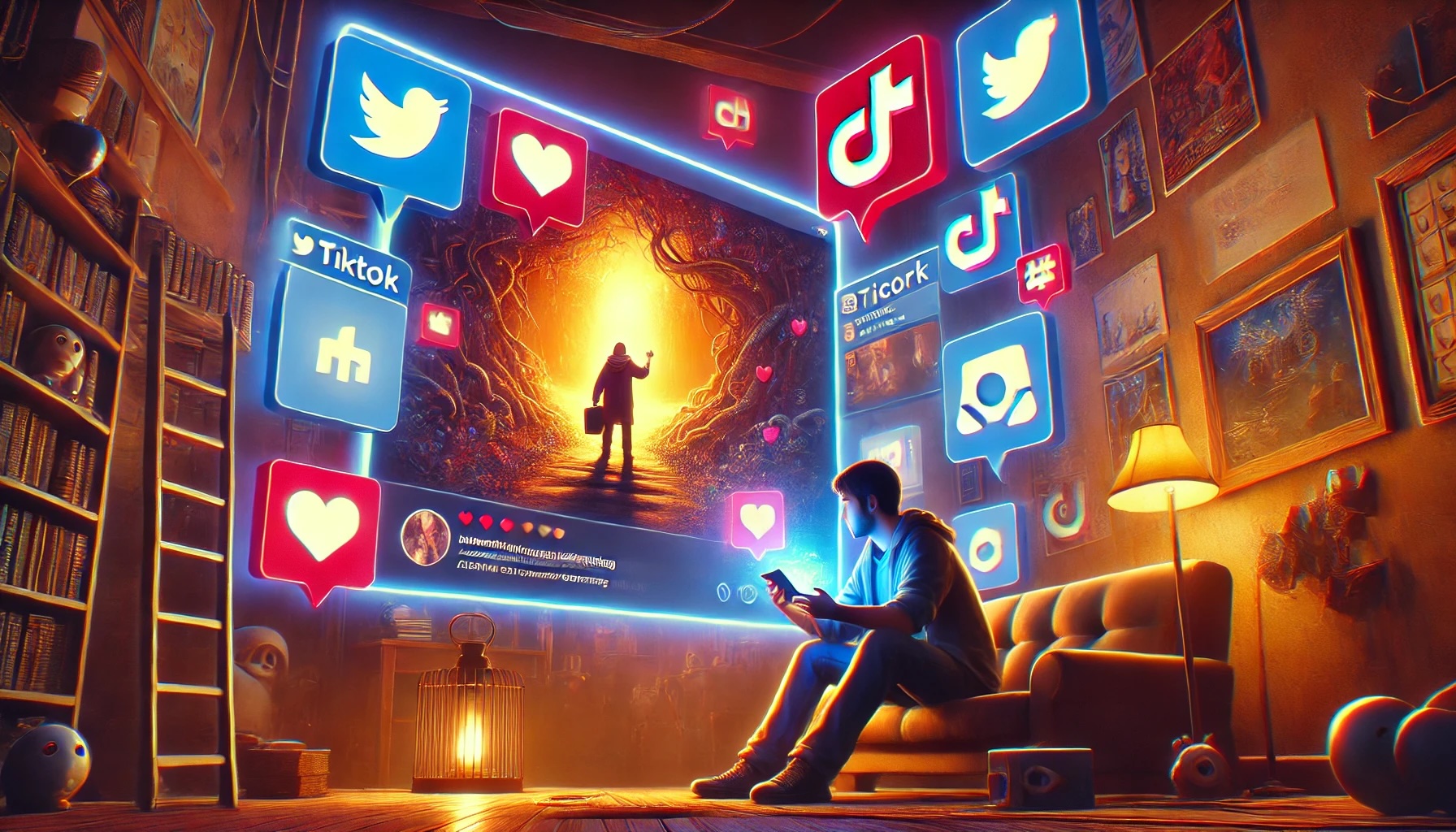
Social media isn’t just a way to promote a game; it’s a tool that keeps players involved long after they’ve completed the story.
Developers and marketers who understand how to keep conversations alive on social platforms will see stronger player loyalty, more word-of-mouth marketing, and better community growth.
The Importance of Social Media in Adventure Gaming
Players love to talk about their favorite games. Whether it’s discussing theories, sharing game moments, or asking for hints, social media is where these conversations happen. Without an active presence, adventure games risk fading into the background once the initial excitement dies down.
One reason social media matters is replayability. Unlike multiplayer games that thrive on competition, adventure games need ongoing discussions to stay relevant. When players share their experiences online, it keeps the game fresh in the minds of others.
A single viral post can bring new players into the mix, creating a cycle where the audience keeps growing. Developers who invest in building communities around their games see better long-term engagement.
Another major factor is direct interaction. When studios reply to fan theories, comment on gameplay clips, or tease upcoming content, it makes players feel involved. That connection leads to higher engagement, stronger brand loyalty, and an active community eager to support future projects.
Best Social Media Platforms for Adventure Games
Each platform offers something different. Picking the right ones depends on how players interact with the game and what kind of content works best.
Twitter (X) for Real-Time Engagement
Twitter is where players go for quick updates, community interactions, and discussions. Adventure game studios use it to tease new content, answer fan questions, and highlight user-generated content. Polls work well here, asking players about choices they made or their favorite characters. A well-timed tweet about a plot twist can spark conversations that bring in new players.
Hashtags also play a big role. A unique hashtag for a game makes it easier to track discussions. Encouraging players to use it when sharing their experiences boosts visibility. When developers jump into these conversations, it builds a stronger connection between the studio and its audience.
Instagram & TikTok for Visual Storytelling
Adventure games often have stunning visuals and deep stories, making them a great fit for platforms that focus on images and videos. Instagram is perfect for behind-the-scenes content, concept art, and game updates. Reels showcasing dramatic moments or funny in-game experiences tend to perform well.
TikTok, on the other hand, thrives on trends. Developers who create short, engaging clips showcasing puzzles, character interactions, or game tips can reach a massive audience. Encouraging players to post their own reactions or theories helps the game reach more people organically.
Reddit & Discord for Deep Community Building
Reddit is where long-form discussions thrive. Dedicated game subreddits let players post theories, share fan art, and talk about hidden secrets. Developers who actively engage in these discussions can strengthen their relationship with players. Hosting AMAs (Ask Me Anything) is a great way to answer questions directly and create buzz.
Discord is the go-to platform for real-time conversations. Setting up a server gives players a place to connect, whether it’s discussing the latest update or helping each other solve puzzles. Having a section for fan content keeps the community engaged while making them feel like part of the game’s journey.
Social Media Strategies to Boost Engagement
Posting content isn’t enough. The best results come from actively involving players. Some strategies work better than others, and the ones that bring players back are worth focusing on.
Gamifying Social Media Interactions
Adventure games are built around challenges, and that same approach works on social media. Studios that turn interactions into mini-games see higher engagement. Quizzes based on game lore, weekly challenges, or community polls about moral choices from the game can keep players engaged.
Contests are another great way to spark interest. Whether it’s fan art, best speedrun times, or custom character backstories, giving players a reason to create content keeps the game relevant. Featuring winners on official accounts adds even more incentive to participate.
Behind-the-Scenes Content to Build Excitement
Players love to see what goes on beyond the final product. Concept art, early sketches, and developer insights give them a reason to stay connected. Sharing the creative process keeps anticipation high, especially if a studio teases future projects.
Live Q&As with developers help as well. Players get to ask burning questions about story decisions, hidden Easter eggs, or upcoming updates. These interactions make the experience feel personal, keeping players invested in the game and its creators.
Influencer & UGC Strategies for Maximum Reach
Influencers play a huge role in game discovery. Partnering with YouTubers and Twitch streamers can introduce a game to new audiences. Walkthroughs, Let’s Play videos, and live reactions generate buzz that extends beyond traditional marketing.
Encouraging user-generated content (UGC) is just as important. A hashtag campaign where players share their best moments, theories, or fan art spreads the game organically. Featuring player content on official channels strengthens community engagement while making players feel valued.
SocialBoosting has shown that organic engagement often beats paid promotions. When players naturally share content, it builds trust and authenticity, making it more likely that others will want to play.
Measuring the Impact of Social Media Engagement
Tracking results helps refine strategies. The best way to see what’s working is by focusing on key metrics. Engagement rates, shares, and follower growth show how well content is resonating.
Analytics tools help track performance. Google Analytics, Sprout Social, and Hootsuite give insights into what kind of content is driving the most interaction. Monitoring click-through rates on game trailers or demo downloads can show whether social media efforts are converting into actual players.
Looking at community discussions also helps. If players are actively talking about the game months after release, that’s a sign of a strong social presence. Keeping an eye on how frequently a game is mentioned in gaming forums, Twitter threads, or Discord servers can reveal long-term engagement trends.
Conclusion & Actionable Takeaways
Social media isn’t just about getting likes. It’s a tool that keeps players engaged, turns them into advocates, and builds a lasting community.
Adventure game studios that understand how to create conversations beyond launch will see stronger player retention and more organic growth.
Focusing on the right platforms makes a difference. Twitter is great for quick interactions, TikTok and Instagram shine with visual content, and Reddit or Discord are perfect for deep community engagement. Mixing gamified content, behind-the-scenes looks, and influencer partnerships keeps the momentum going.
Tracking performance is just as important as creating content. Paying attention to engagement trends, social shares, and player interactions can help refine the strategy over time.
Adventure games might be built on puzzles and storytelling, but keeping the audience engaged is its own challenge—and one that social media is built to solve.
Latest Gaming News
All News