



How Puzzles Bring Adventure Games to Life

There’s something about adventure games that just hits differently. They’re not about rushing to the next checkpoint or taking down waves of enemies. Instead, they let you step into a story—one where you’re in control of how things unfold. And at the heart of these games? The puzzles.
Puzzles in adventure games aren’t just busywork. They’re the secret sauce that connects you to the world. Done right, they make you feel like you’re unraveling the story piece by piece. But here’s the catch: making puzzles that actually enhance the experience isn’t easy.
They can’t just be hard for the sake of it, and they definitely can’t feel out of place. When a puzzle clicks—literally and figuratively—it pulls you deeper into the world. When it doesn’t? It can completely throw you off.
From Immersive Puzzles to the Thrill of iGaming: Finding Your Next Adventure
Ever get completely wrapped up in an adventure game? You know the feeling—the world just kind of pulls you in, and suddenly, hours have flown by. It’s not just the stunning visuals or the storyline that does it, though. It’s the puzzles. They’re the real hook, aren’t they? Those moments when you stop, think, and finally crack a tough one—there’s nothing quite like it. It’s not just about getting to the next level; it’s about feeling like you’re unravelling the story piece by piece.
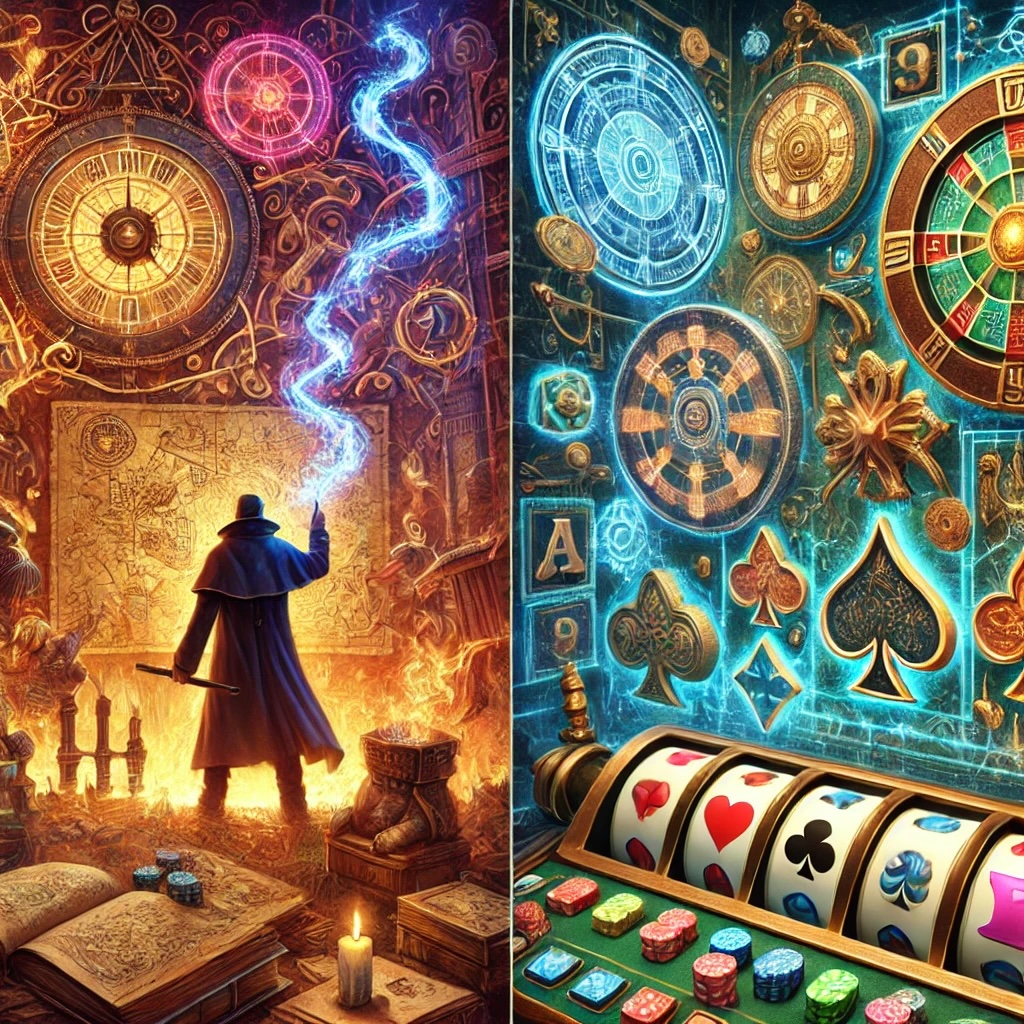
Sometimes, you’re in the mood for something a little bit different. Maybe it’s the fast-paced buzz of iGaming that gets your attention. This world is built on strategy, quick decisions, a bit of luck and, of course, many casino games have a puzzle slant to them, for instance, poker variations and puzzle slots. At Card Player, they’re all about the online casino scene, offering insights and honest reviews to help you find platforms that aren’t just entertaining but worth your time. It’s not just about spinning reels or playing cards—it’s about choosing platforms that deliver a full-on experience.
Designing for Flow and Immersion
Flow is everything in an adventure game. It’s that sense of being swept up in the story, where everything—puzzles included—feels like it fits perfectly. The moment a puzzle feels out of sync, though? The magic’s gone. You’re pulled out of the narrative, and what was once an exciting journey starts feeling like a chore. Nobody plays an adventure game for that.
Good design doesn’t just mean making puzzles challenging. It’s about timing, tone, and pacing. A puzzle needs to feel like it belongs to the moment. If the story is moving fast—like a high-stakes chase or a tense confrontation—it’s probably not the time for a slow, complicated riddle. But during quieter moments? That’s where you can add something thoughtful, something that makes players pause and think.
In The Longest Journey, puzzles aren’t just obstacles; they’re narrative devices that deepen your connection to the story. Each one feels like it belongs—like it’s something the protagonist would actually need to solve. Cracking a tricky puzzle doesn’t just get you to the next scene; it gives you a deeper understanding of what’s happening around you.
When the World Becomes a Character
Let’s say you’re in a room with a locked door. It’s just a door, right? But then you notice something: faint scratches on the floor, like the door’s been slid open a thousand times. Or there’s a painting nearby that seems… wrong somehow. Maybe it’s the colors, or the frame looks newer than it should. Either way, you’re hooked. You start looking closer, poking around. The room isn’t just a room anymore—it’s a puzzle in disguise.
That’s the kind of immersion players love. The environment becomes a character in the story, nudging you along without breaking the flow. The game isn’t saying, “Solve this puzzle.” It’s saying, “Hey, look around. There’s something here.” And when you figure it out? That’s your moment. You didn’t just follow a clue—you uncovered something on your own.
Key Elements of Environmental Puzzles:
Subtle Clues: Small, natural hints like scratches or misplaced objects spark curiosity.
Contextual Storytelling: Puzzles blend seamlessly with the game’s world and narrative.
Interactive Rewards: Solving reveals hidden paths, secrets, or story elements.
Layered Challenges: Accessible for all, with deeper options for dedicated players.
Sensory Cues: Light, sound, and visual contrasts subtly guide exploration.
Integrated Design: Puzzles feel like part of the environment’s history.
Fair Logic: Solutions are consistent, logical, and rewarding.
Emotional Ties: Challenges connect to characters or key story moments.
Hidden Depths: Optional secrets and Easter eggs enhance exploration.
Keeping It Logical
Here’s where things can go wrong: a puzzle that doesn’t make sense. It’s frustrating when you hit a wall because the solution requires something completely out of left field. Maybe it’s some obscure piece of knowledge you’re supposed to know, or maybe the logic doesn’t match what the game has taught you. Either way, it’s a fast track to breaking the flow.
Great puzzles? They build trust. They make players feel like, “Okay, everything I need is here—I just have to find it.” When you finally solve it, it’s not just satisfying; it’s rewarding. You earned that moment. The game wasn’t trying to stump you for the sake of it—it was inviting you to think. That’s the difference.
The Art of Giving a Nudge
Good puzzles challenge players, sure—but they shouldn’t make anyone feel like giving up. That’s where hints come in. And not the kind that dump the answer in your lap. The best hints are subtle, almost invisible. Maybe it’s a character muttering something that sparks an idea, or a small detail in the environment that you didn’t notice the first time around.
When hints are handled well, they feel less like a cheat and more like encouragement. They keep the player moving forward, but still let them have that “aha!” moment when it all clicks. Striking this balance is tough, but it’s worth it. No one wants to feel like the game is solving itself—but no one likes feeling stuck in limbo either.
Balancing Challenge and Accessibility
Adventure games are like a meeting ground for all kinds of players. You’ve got the hardcore puzzle-solvers, the ones who thrive on complex challenges that make their brains hurt. Then you’ve got the folks who are here for the story—they want to enjoy the ride without spending hours stuck on a single puzzle. Finding a way to keep both groups happy? That’s where things get tricky.
Some games, like The Witness, manage to pull this off brilliantly. The core puzzles are straightforward enough that most players can make steady progress without feeling stuck. But for those who crave more, there’s always something deeper—hidden challenges that test creativity and patience. It’s the kind of layered design that lets players engage at their own pace, without feeling excluded or overwhelmed.
Why Playtesting Matters So Much
Here’s the thing: even the most perfectly designed puzzle on paper can fall flat when real people play it. What seems obvious to the creator might not be clear to the player at all. That’s where playtesting becomes invaluable. Watching how players approach puzzles in real time can reveal blind spots—maybe a key clue isn’t as visible as you thought, or the logic isn’t as clear as it seemed during development.
Sometimes, it’s just a matter of tweaking a detail or making a hint more noticeable. Other times, you might need to rethink the puzzle entirely. Either way, that feedback is gold. It’s how designers fine-tune their games to be challenging but fair, keeping players engaged without pushing them to frustration. After all, the aim isn’t to frustrate—it’s to design puzzles that inspire curiosity and reward perseverance.
Starting Small, Building Big
Every good adventure game eases you in. It doesn’t hit you with something overwhelming right away—it takes its time. The first puzzles teach you how the game works without spelling it out. They’re a little nudge, like, “Hey, this is how the world thinks. Pay attention to this kind of logic.” Once players get comfortable, you can start layering on the complexity.
Think about Grim Fandango. Early on, it’s straightforward stuff—simple, quirky tasks that let you explore without too much pressure. You’re figuring out the world and how its puzzles connect. Then, as the stakes rise, so do the challenges. By the time you’re solving more intricate, multi-step puzzles, it feels natural. You’ve been building up to it, and the game has made sure you’re ready.
Immersion Through Environmental Storytelling
Sometimes, the best puzzles don’t feel like puzzles at all. They’re just… there. Part of the world. You don’t even realize you’re solving something until it clicks. That’s the beauty of environmental storytelling—it doesn’t shout at you to pay attention. It whispers. A smudge on a window. A scratch on the floor. A painting that’s just a little off. These aren’t decorations; they’re clues. You just have to notice them.
Take The Room series. Every tiny detail—every knob, latch, or faded symbol—has a purpose. Nothing’s there by accident. The game doesn’t hold your hand, but it doesn’t need to. You’re drawn in because the environment is so well-crafted, it almost speaks to you. Solving puzzles in games like this doesn’t feel like a chore—it feels like a discovery.
Interaction Brings It to Life
What really sells this kind of design is interactivity. You turn a handle, and gears start moving. A hidden compartment slides open with a satisfying click. These aren’t just effects—they’re payoffs. The world reacts to what you do, and it feels personal, like the game is acknowledging your effort.
It’s not just about solving puzzles—it’s about feeling like you’re part of the world. That connection is what makes these moments stick. You’re not just pressing buttons or flipping switches; you’re making the environment come alive.
Latest Gaming News
All News